Hanady Mehanna
The Silk Glow Beneath Egypt's Rising Romantic Star
By Afef Yousfi
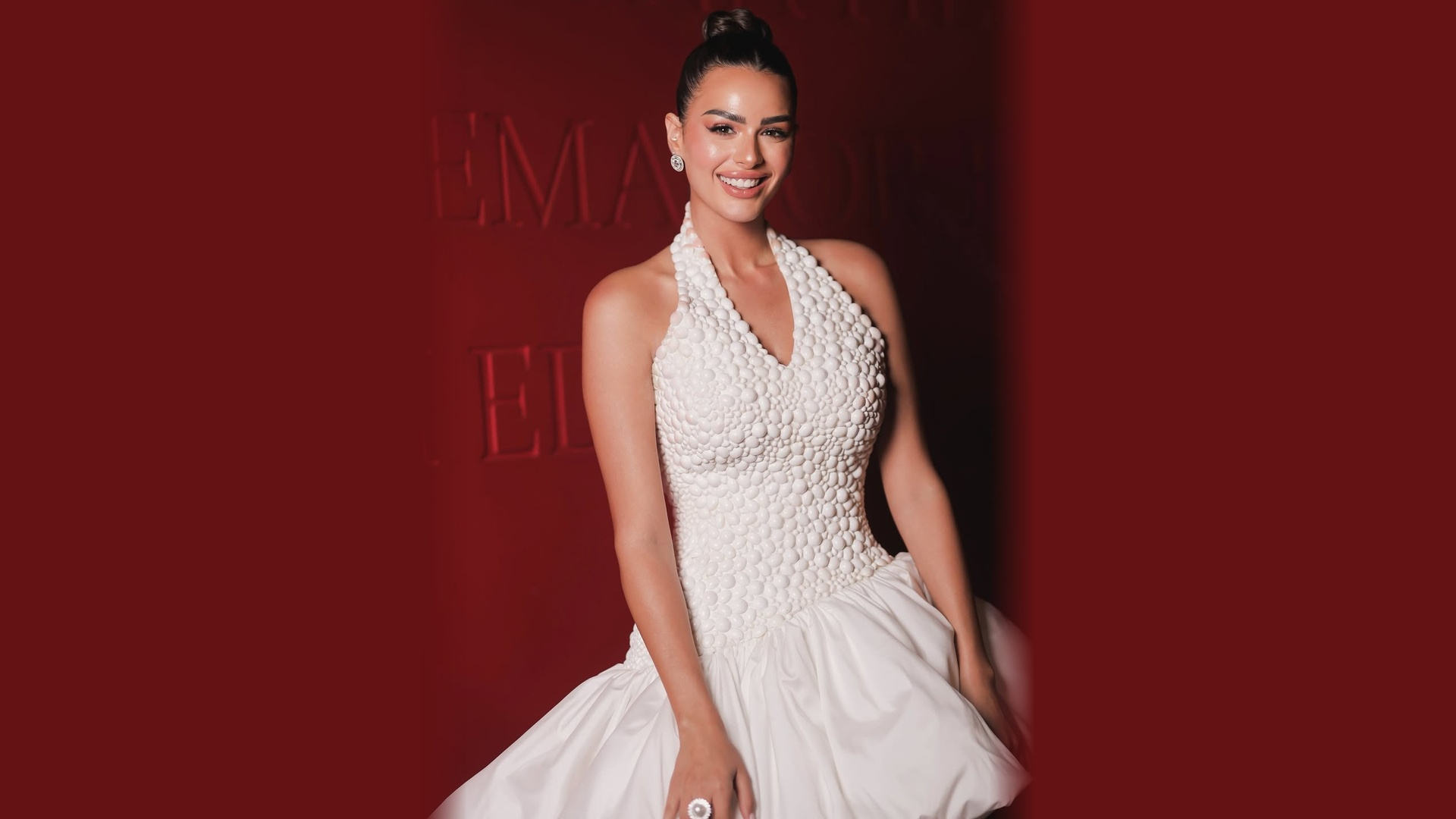
Hanady Mehanna carries the kind of presence that feels effortlessly luminous. In a generation of rapidly emerging actresses shaped by social media visibility, intense public scrutiny, and constantly shifting trends, she has distinguished herself through softness rather than spectacle. There is a warmth to Hanady Mehanna that audiences recognise instantly, an emotional gentleness beneath the glamour that allows her to feel both cinematic and deeply approachable at the same time.
Since entering Egyptian television and cinema, Hanady has evolved into one of the most recognisable young actresses of her generation, balancing beauty, emotional sincerity, and modern femininity with unusual grace. Yet her appeal extends far beyond appearance alone. Beneath the polished styling, delicate features, and elegant screen presence exists a woman shaped by discipline, artistic heritage, and emotional intelligence. She represents a softer, more emotionally grounded vision of modern Arab stardom.
Born into an artistic household, Hanady grew up surrounded by music, performance, and creative expression. As the daughter of celebrated Egyptian composer Hany Mehanna, artistry existed naturally within the rhythm of her upbringing. Yet despite her family background, her relationship with fame never appeared entitled or performative. Instead, she approached the entertainment world with patience and gradual evolution, allowing audiences to discover her through emotional connection rather than manufactured celebrity.
Before fully stepping into acting, Hanady studied business administration in Barcelona, an experience that exposed her to different cultures, independence, and a broader understanding of identity beyond entertainment alone. This international influence subtly shaped her public image, giving her a balance between traditional Arab elegance and contemporary softness that feels remarkably natural rather than calculated. Even visually, she carries a distinct aesthetic duality: classic Egyptian femininity softened by European refinement and understated modernity.
Her earliest appearances onscreen revealed an actress still discovering her emotional rhythm, yet audiences immediately noticed the sincerity within her performances. Rather than relying upon exaggerated dramatic intensity, Hanady approached characters with tenderness and emotional realism. There was vulnerability in the way she expressed emotion, allowing viewers to connect instinctively with the women she portrayed. That emotional accessibility became one of the defining strengths of her career.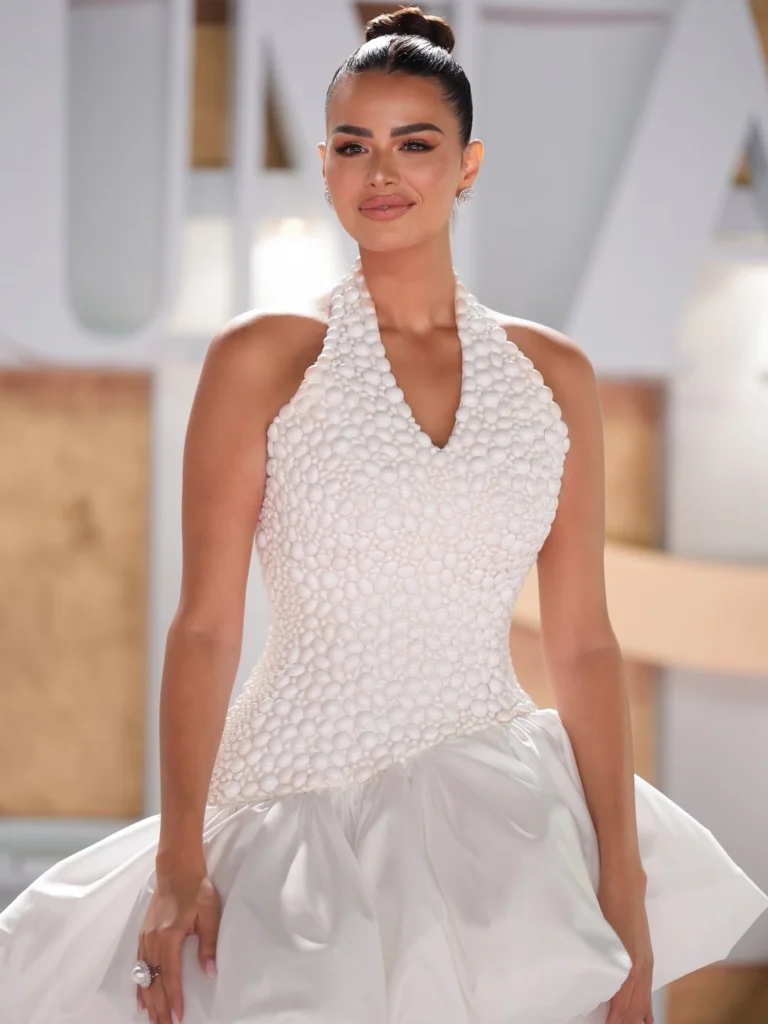
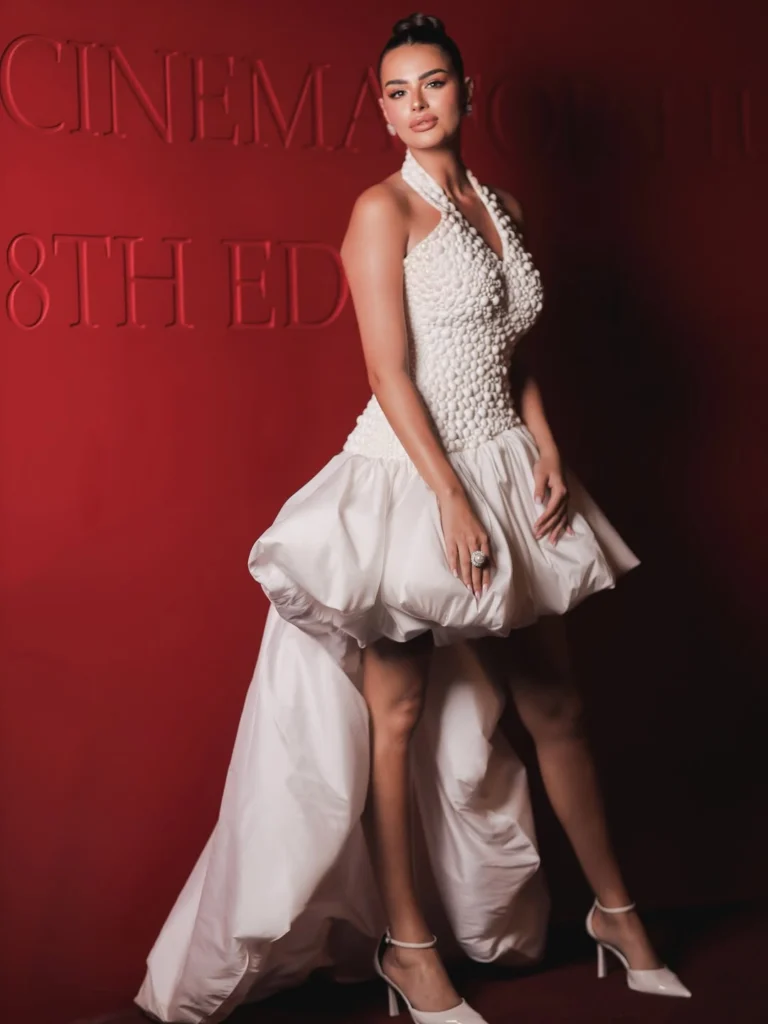
Series such as Zelzal, El Fetewa, and Maktoub Alaya demonstrated her growing versatility as an actress. She moved comfortably between romance, drama, and lighthearted storytelling while maintaining the same emotional softness audiences had come to associate with her presence. Even when portraying emotionally conflicted characters, there remained a gentleness beneath the performance that made her deeply watchable. She never performed emotion aggressively. Instead, she allowed it to unfold quietly through expression, silence, and sincerity.
What distinguishes Hanady Mehanna most profoundly is the absence of emotional hardness in her public identity. In an entertainment landscape increasingly shaped by calculated personas and excessive performance, she retains an almost old fashioned warmth. Her femininity feels comforting rather than intimidating, elegant without emotional distance. Audiences do not simply admire her beauty. They trust her softness.
This relatability became even more apparent through social media, where Hanady cultivated a digital presence rooted in intimacy and emotional openness rather than perfection. While many celebrities construct highly controlled online identities, her content often feels relaxed, affectionate, and emotionally genuine. Whether sharing moments from married life, friendships, family gatherings, or ordinary daily routines, she projects familiarity rather than unattainability. Followers feel they are witnessing fragments of a real woman rather than a carefully managed fantasy.
Her marriage to actor Ahmed Khaled Saleh further strengthened this emotional connection with audiences. Together, they quickly became one of Egypt’s most beloved young celebrity couples, largely because their relationship appeared rooted in tenderness and companionship rather than publicity. There is an ease between them that audiences find deeply reassuring, a visible emotional intimacy that feels untouched by performance. In many ways, their relationship embodies the softer romanticism audiences increasingly long for within modern celebrity culture.
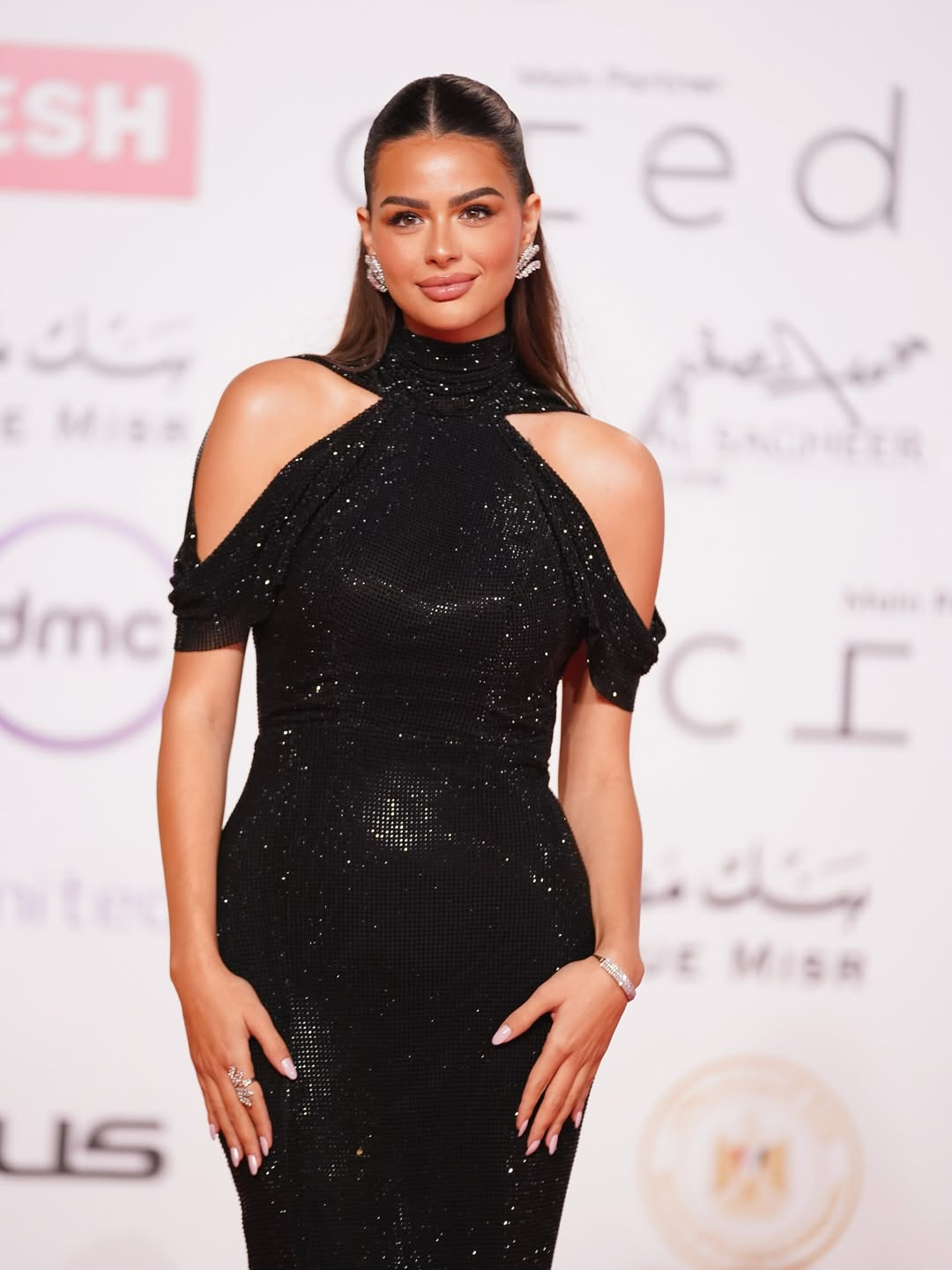
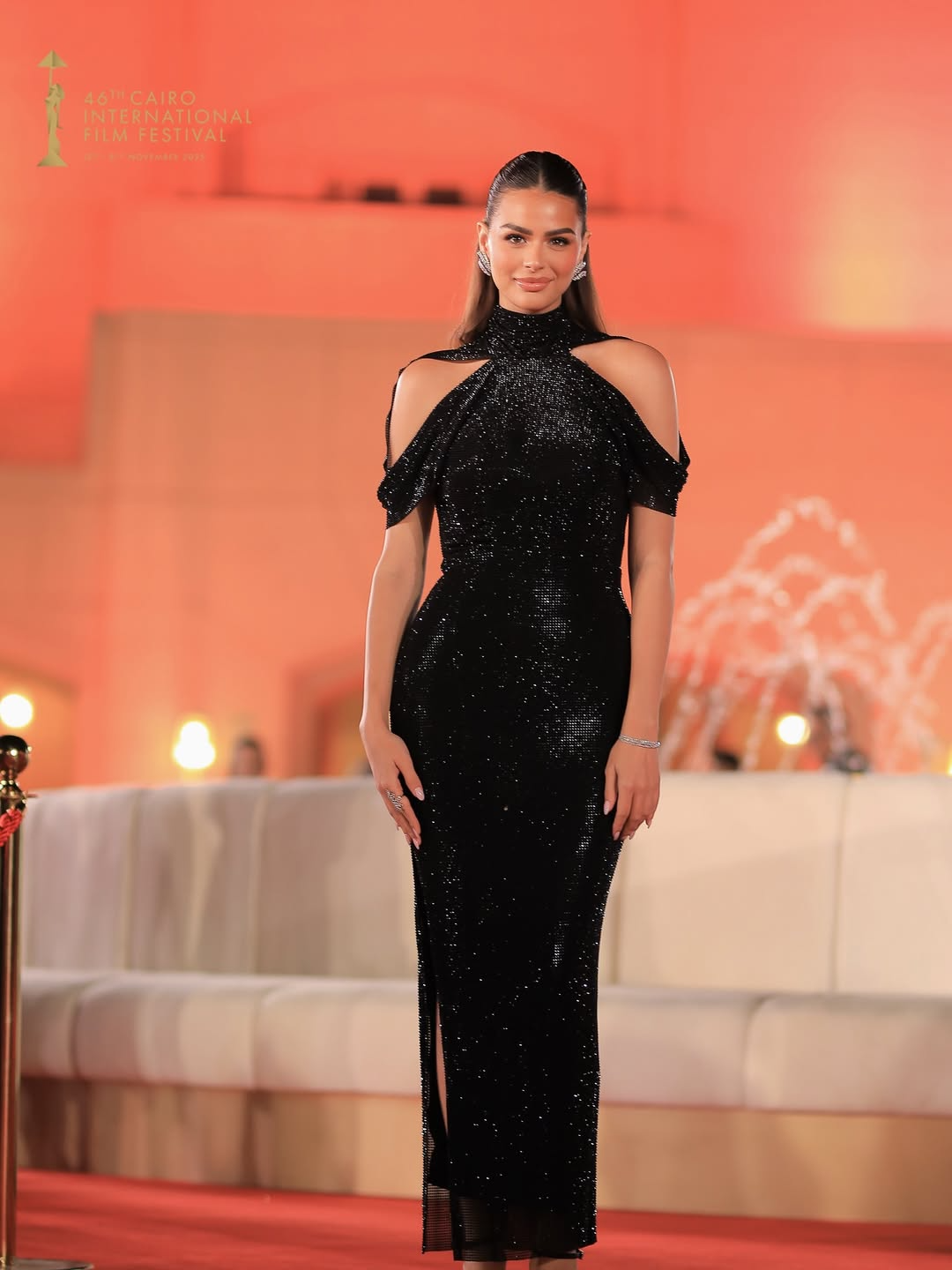
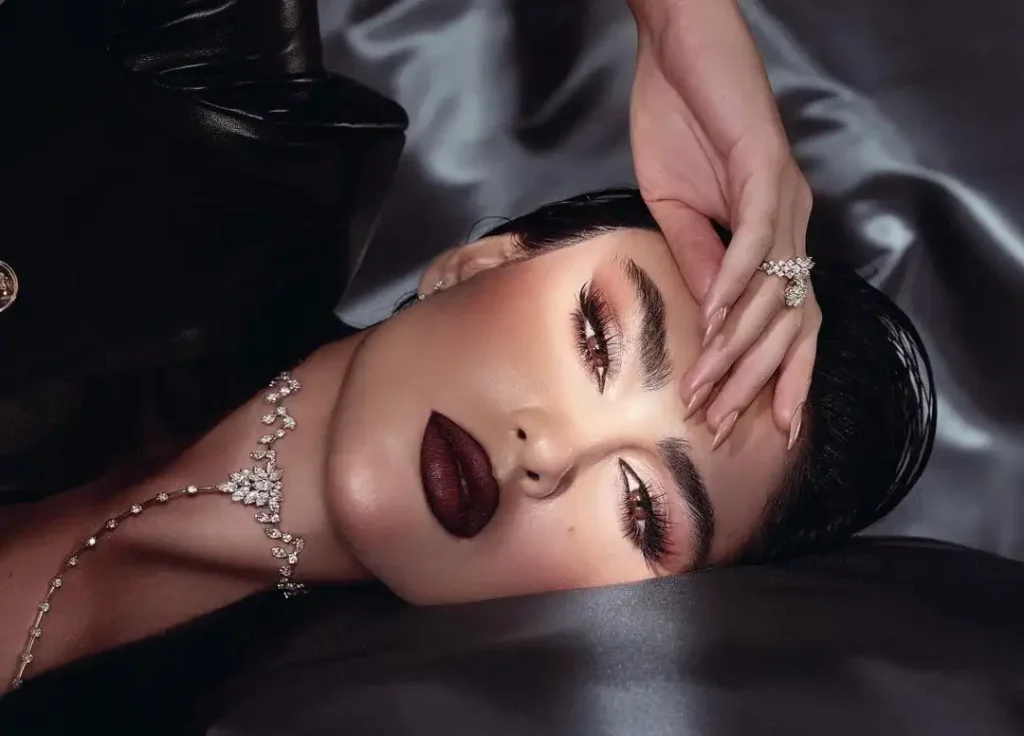
Beauty and fashion naturally form part of Hanady’s public image, yet her relationship with glamour remains balanced and understated. She carries elegance with softness rather than excess. Whether appearing in couture gowns, minimalist styling, or natural everyday aesthetics, her beauty never overwhelms her humanity. Instead, it feels connected to her emotional energy. There is a calm femininity in the way she presents herself publicly, one that prioritises grace over spectacle.
Music also remains quietly woven into her artistic identity. Growing up within a musical household shaped her emotional sensitivity and appreciation for performance beyond acting alone. Even when not actively pursuing music professionally, there is a lyrical softness in her screen presence, a rhythm to her expressions and emotional pacing that reflects artistic instinct inherited through environment as much as training.
As her career continues evolving, Hanady Mehanna increasingly represents the changing face of contemporary Egyptian femininity within entertainment. She embodies glamour without aggression, beauty without artificiality, and modernity without emotional detachment. Younger audiences connect with her because she feels emotionally recognisable. Older audiences appreciate the elegance and sincerity she carries into fame. She exists comfortably between generations, preserving softness within an era increasingly dominated by noise.
There is also a visible emotional maturity developing within her public identity over time. Fame arrived relatively quickly, yet she navigates visibility with composure and restraint rather than overexposure. She rarely appears consumed by celebrity culture itself. Instead, she seems focused on preserving emotional stability, relationships, and personal grounding alongside artistic ambition. This balance gives her presence unusual longevity within an industry often shaped by burnout and constant reinvention.
What ultimately makes Hanady Mehanna memorable is not simply her beauty, talent, or rising success. It is the emotional atmosphere surrounding her. She reminds audiences of tenderness. Of elegance without coldness. Of femininity untouched by performance fatigue. In a digital world increasingly saturated by artificial perfection and emotional detachment, Hanady continues to feel refreshingly human.
As Egyptian cinema and television continue evolving through new generations, streaming culture, and shifting audience expectations, Hanady Mehanna stands as one of its most emotionally resonant young stars. She carries within her a rare combination of softness and ambition, glamour and sincerity, modernity and warmth.
In many ways, Hanady Mehanna represents a quieter kind of stardom, one built not upon noise or controversy, but upon emotional grace. And perhaps that is precisely why audiences continue gravitating towards her so naturally.