Elissa
The Orchestration of Sentiment
By Sofia Lava
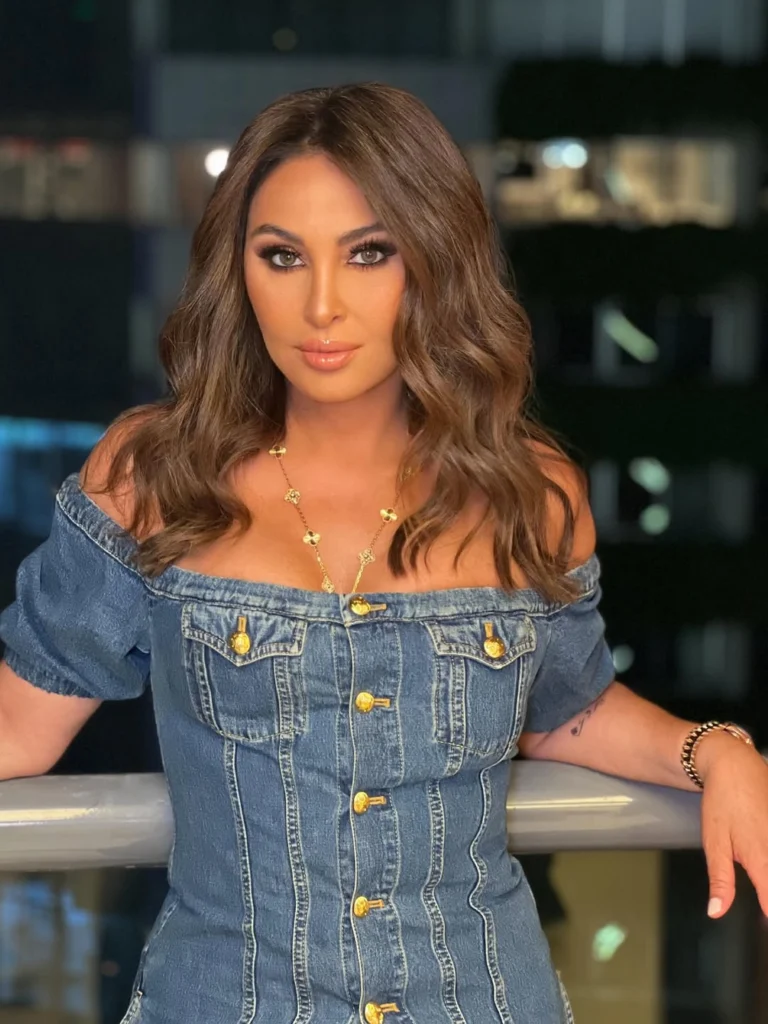
In the sun-drenched valleys of the Beqaa, where the air carries the scent of cedar and the weight of history, a voice once emerged that would eventually redefine the emotional landscape of an entire region. To speak of Elissar Khoury is to speak of a transformation that mirrors the resilience of her homeland. She is a figure who has moved through the world with a deliberate, haunting sincerity, crafting a legacy that feels less like a career in the limelight and more like a long, shared confidence with her audience. She possesses an innate ability to capture the fragile geometry of the human heart, earning her a title that suggests she does not merely sing about emotions, but governs them.
The early chapters of her life were marked by a curiosity that extended far beyond the stage. In the lecture halls of the Lebanese University, she immersed herself in the study of political science, a discipline that requires an understanding of power, structure, and the complex currents of society. This academic foundation remains visible in her public persona; she is a woman who engages with the world as a thinker as much as a performer.
Her initial forays into the arts were found in the sharp, observant world of political theatre, where satire and critique served as her training ground. It was here that she first learned the power of a message, discovering that a stage is not just a place for spectacle, but a platform for truth. When she eventually transitioned into the world of music, she brought with her a refusal to be defined by the rigid expectations of the industry. Her debut was an act of cultural fusion, a blend of her Levantine roots with a broader, more Mediterranean sensibility.
It was a bold introduction that signaled the arrival of an artist who was unafraid to experiment with the texture of her sound. As her discography grew, so did her reputation for a specific kind of romanticism, one that was never saccharine but always deeply felt. She became the voice of the solitary hour, the artist who could articulate the silent ache of longing and the quiet triumph of recovery with equal precision. Her journey has been defined by a series of monumental successes, yet it is her response to adversity that has truly solidified her place in the cultural pantheon.
When she chose to share her private battle with illness, she did so with a dignity that transcended the usual boundaries of celebrity. It was not a plea for sympathy but a call to action, a reminder of the fragility of life and the necessity of courage. By weaving her personal struggle into the fabric of her art, she turned a private pain into a collective source of strength. This openness has sparked vital conversations across the Arab world, breaking down long-standing taboos and offering a beacon of hope to those facing their own quiet wars. Beyond the soaring melodies and the sold-out arenas, there is a woman of profound conviction.
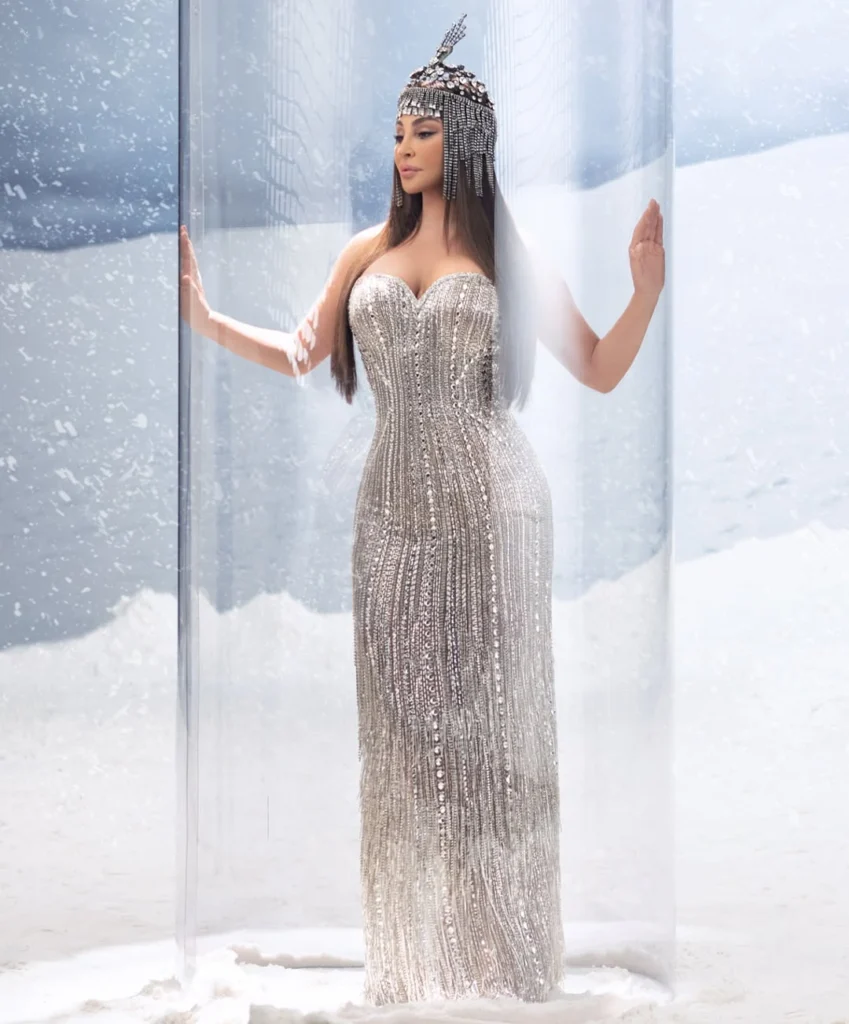
She has used her platform to champion the rights of the vulnerable, particularly focusing on the empowerment of women and the importance of mental health. Her advocacy is not a peripheral interest but a central pillar of her identity. She speaks with a candour that is rare in her profession, addressing social issues with the same intensity she brings to her music. This commitment to justice is perhaps the most enduring aspect of her influence, suggesting that her true contribution lies in her ability to inspire change as much as her ability to entertain.
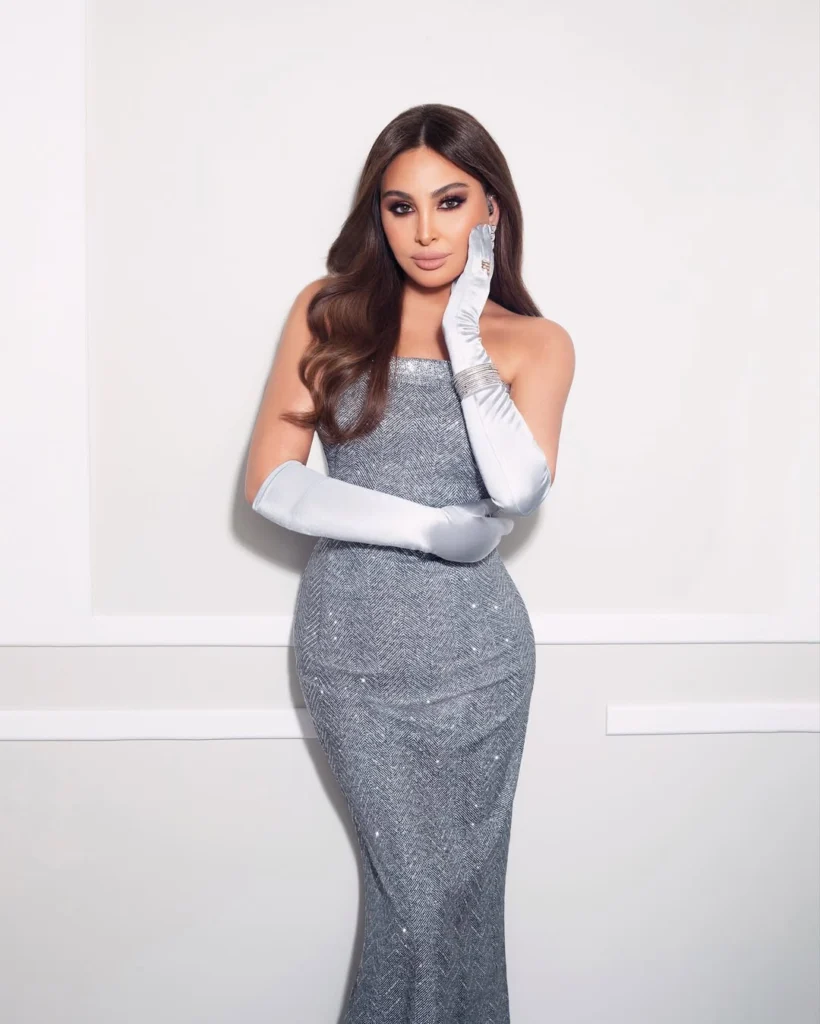
Her presence in the digital age is a masterclass in maintaining a classic distance while remaining deeply connected to her followers. With millions watching her every move, she curates a narrative that emphasizes the value of substance over the ephemeral nature of fame. We see a woman who appreciates the finer points of aesthetic grace, from the elegant silhouettes of her wardrobe to the timeless beauty of the cities she inhabits. Yet, beneath the polished exterior, there remains the heart of the girl from Deir el Ahmar, someone who values the intimacy of friendship and the enduring power of her roots.
The longevity of her career is a testament to her constant evolution. She has navigated the shifting tides of the music industry by remaining anchored to her own artistic truth. In a world that often demands the new and the novel, she has found success by staying true to the timeless. Her collaborations with international figures have never felt forced; they are instead a natural extension of her desire to build bridges across cultures. She has become a global ambassador for Lebanese culture, carrying the sophistication and the sorrow of her nation to every corner of the earth.
To witness her now is to see an icon in the full mastery of her craft. She is no longer just a singer; she is a cultural institution. Her voice has become a constant companion to the milestones of countless lives, a soundtrack to both the celebrations and the solitudes of a generation. She has proven that it is possible to be both a star and a sentinel, a woman who shines brightly while never losing sight of the shadows. Her legacy is built on the belief that music is a form of healing, a way to bridge the gap between the individual and the universal.
As she continues to move forward, she does so with the steady gaze of someone who has seen it all and emerged with her spirit intact. Her story is a narrative of endurance, an unfolding poem about the power of the female voice to command attention and inspire devotion. She remains a figure of immense fascination, not because of the records she has broken, but because of the heart she has shown. In the end, she reminds us that the most powerful instrument we possess is our own authenticity, and that the greatest art is the life we choose to lead.