Amina Khalil
The Velvet Intelligence Behind Egypt's Modern Feminine Renaissance
By Sofia Lava
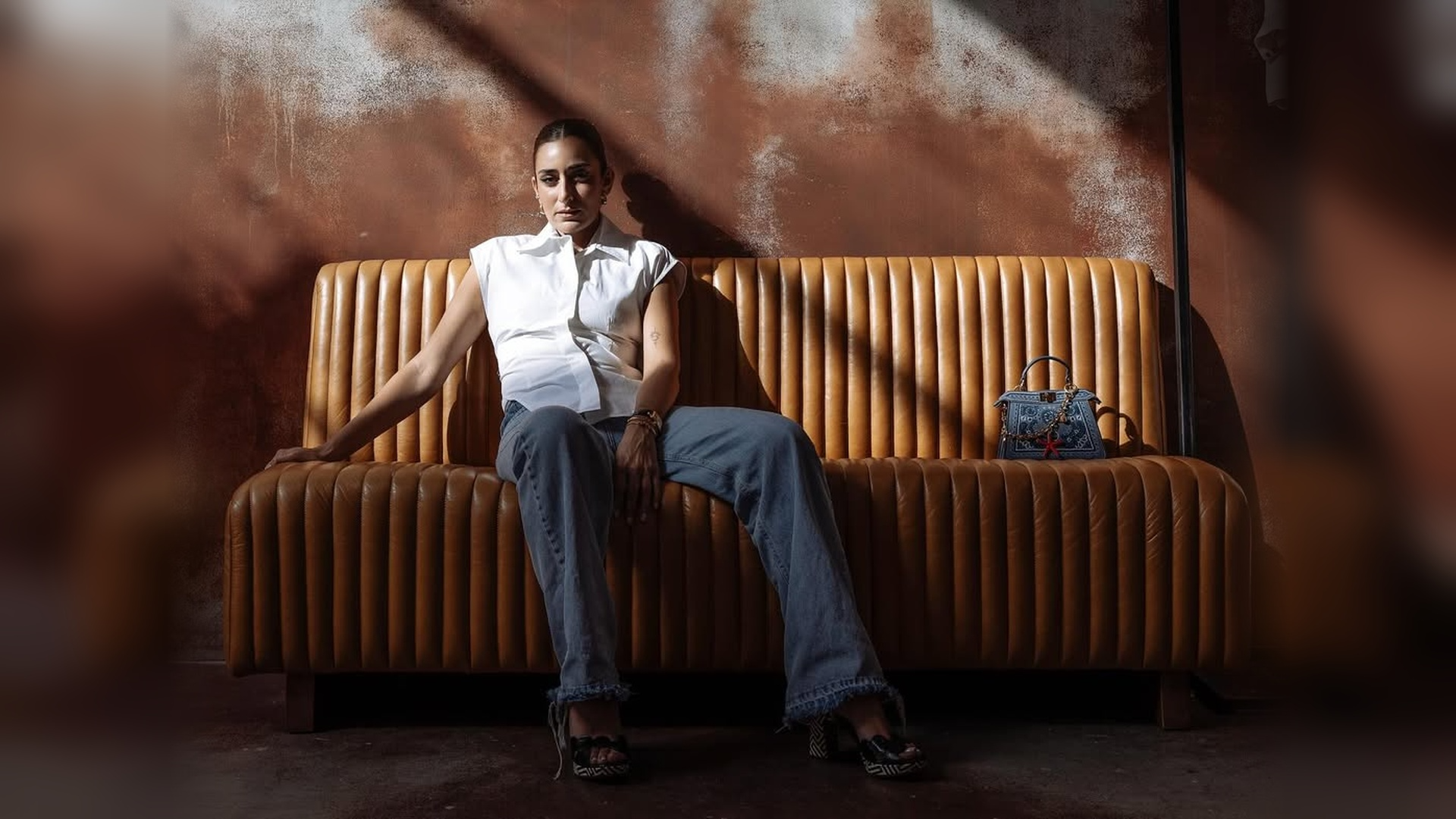
Amina Khalil has become one of the defining faces of contemporary Egyptian cinema and television not simply because of her beauty or talent, but because she represents a deeper cultural shift unfolding within Arab entertainment itself. In an era increasingly shaped by reinvention, visibility, and performative glamour, Amina embodies something more nuanced and enduring: intelligence wrapped in elegance, femininity sharpened by emotional depth, and modernity grounded in authenticity. She does not merely exist within the industry. She subtly reshapes its emotional language.
From the beginning of her career, there was always something quietly distinctive about her presence. While many actresses entered the public sphere through spectacle or dramatic visibility, Amina Khalil emerged through restraint. She carried herself with emotional awareness rather than performance, allowing audiences to discover her gradually through layered characters and carefully chosen roles. That patience would ultimately become one of her greatest strengths.
Born in the United States before returning to Egypt, Amina grew up between cultures, an experience that later influenced both her artistic identity and public image. There is an international softness to the way she carries herself, yet her emotional connection to Egyptian culture remains unmistakable. This balance between cosmopolitan refinement and deeply rooted Arab femininity has become central to her appeal. She feels globally aware without losing emotional familiarity.
Her artistic journey began with music before eventually shifting towards acting, a transition that subtly shaped the rhythm and emotional sensitivity visible in her performances today. Even in dialogue heavy scenes, Amina often performs with remarkable control, allowing silence, expression, and emotional timing to communicate as much as words themselves. She approaches acting less as performance and more as emotional observation.
Series such as Grand Hotel, Layali Eugenie, Khali Balak Men Zizi, and El Harsha El Sabaa transformed her into one of the most critically respected actresses of her generation. Across these productions, audiences witnessed a performer deeply interested in emotional complexity rather than superficial heroism. Her characters are often layered, conflicted, vulnerable, and psychologically human. Rather than portraying idealised women, Amina gravitates towards women navigating emotional contradiction, identity, anxiety, love, pressure, and transformation.
This commitment to emotional realism became especially evident in Khali Balak Men Zizi, where she portrayed themes surrounding attention deficit disorder, emotional overwhelm, and psychological struggle with unusual sensitivity.
The role resonated profoundly with audiences because it felt emotionally truthful rather than performative. Amina approached the character with empathy and restraint, helping open broader public conversations around mental health and emotional wellbeing within Arab society.
What distinguishes Amina Khalil most profoundly is her ability to preserve softness without weakness. In many of her performances, there is a visible emotional intelligence beneath the glamour, an awareness of vulnerability that allows her characters to feel deeply alive. She understands that strength is not always loud or aggressive. Sometimes it exists quietly within self awareness, resilience, and emotional honesty.
Offscreen, this same emotional intelligence shapes her public image. Unlike many celebrities who cultivate emotional distance, Amina appears thoughtful, introspective, and remarkably grounded. Interviews reveal a woman deeply aware of the pressures surrounding beauty, fame, and womanhood within the entertainment industry. Yet rather than allowing these pressures to harden her identity, she speaks about them with openness and clarity.
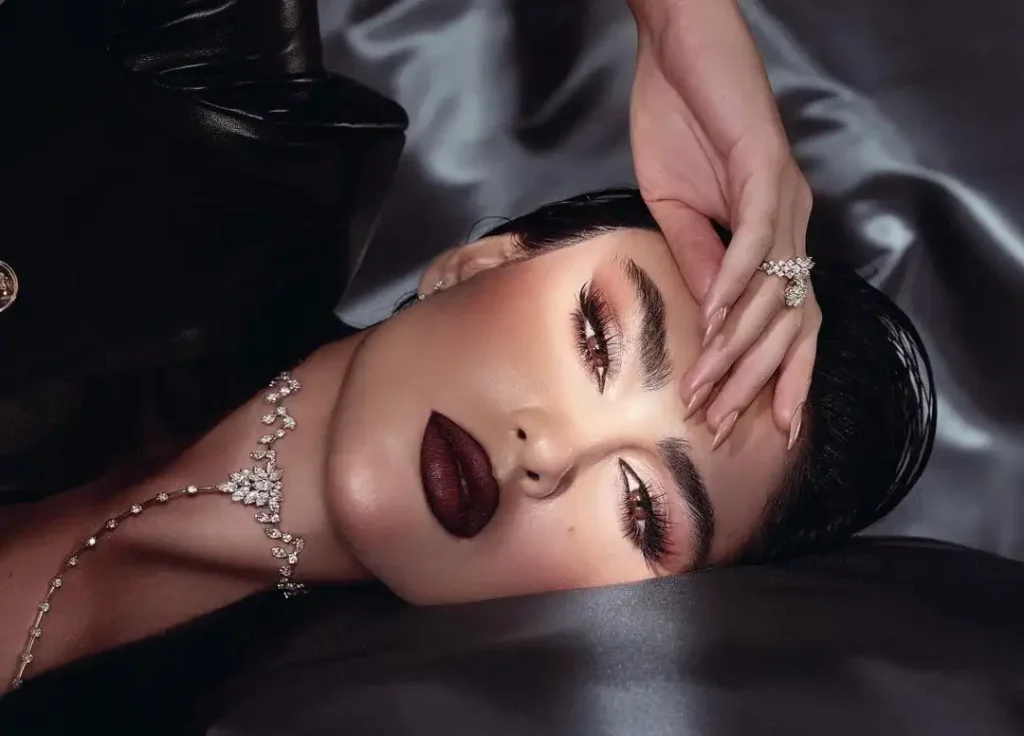
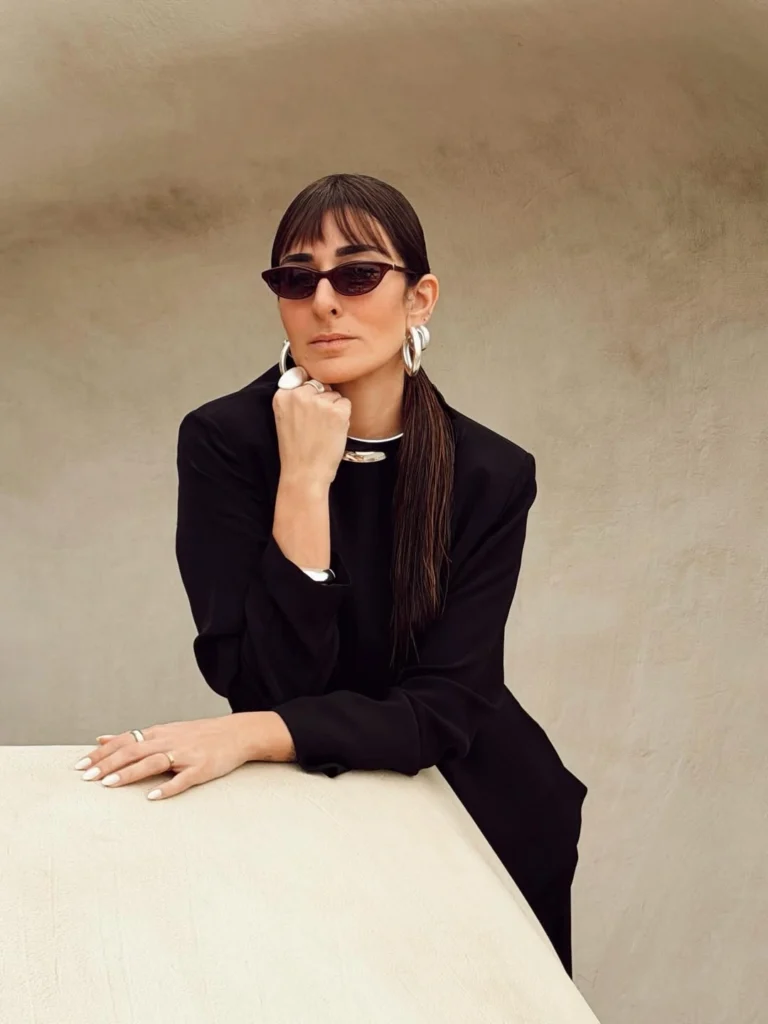
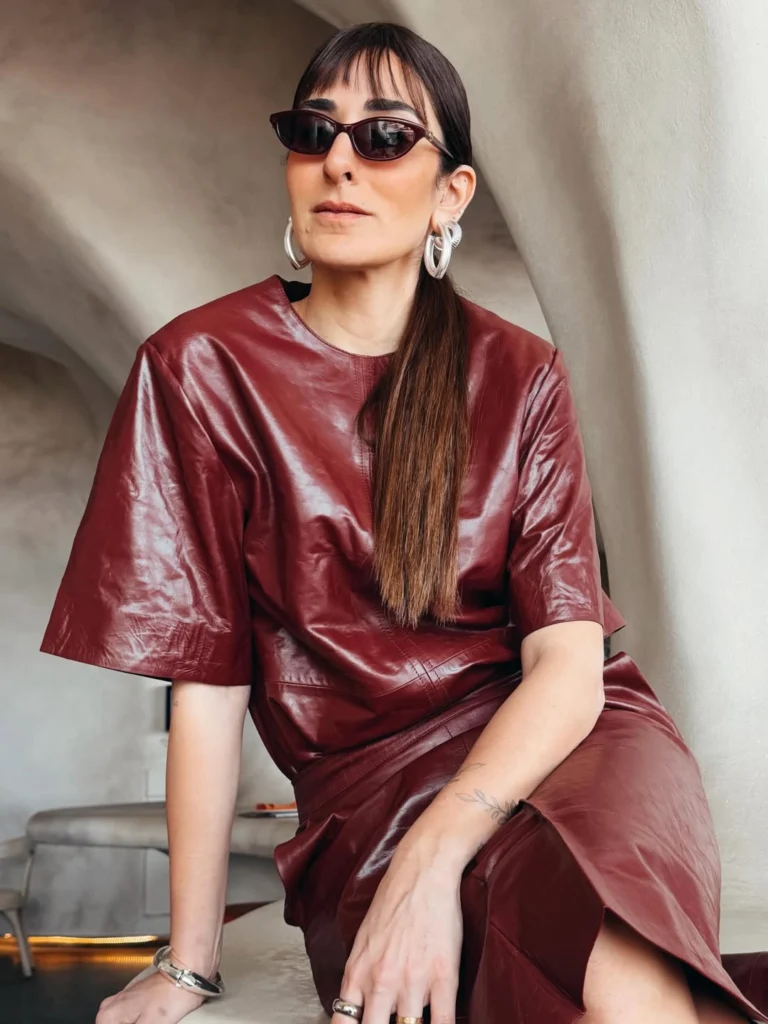
Beauty undeniably forms part of her public mythology, but her relationship with glamour feels deeply intentional rather than superficial. Amina Khalil carries fashion with intellectual instinct. Whether appearing in minimalist tailoring, couture editorials, or classic Arab elegance, she never disappears beneath styling. Instead, fashion becomes an extension of mood, personality, and emotional atmosphere around her. She understands visual storytelling intuitively.
This sophistication has made her a significant figure not only within cinema, but within regional fashion and beauty culture as well. Designers, photographers, and luxury brands gravitate towards her because she possesses more than visual beauty alone. She brings emotional depth into imagery. Even in still photographs, there is often thoughtfulness behind her expression, a quiet narrative unfolding beneath the aesthetics.
Social media has only amplified this connection with audiences. Yet unlike influencers shaped entirely through digital performance, Amina’s online presence retains restraint and emotional coherence. She shares moments selectively, balancing visibility with privacy in a way that preserves authenticity. Followers encounter glamour alongside humour, vulnerability, reflection, and fragments of ordinary life. The result is a public image that feels emotionally believable rather than overly manufactured.
Beyond performance and fashion, Amina Khalil has increasingly become associated with conversations surrounding women’s emotional realities within Arab society. Through both her work and public voice, she often explores themes connected to identity, relationships, pressure, self worth, and emotional freedom. She represents a generation of Arab women unwilling to reduce femininity to surface level perfection alone. Instead, femininity becomes emotional complexity, self awareness, ambition, softness, and intellectual depth existing simultaneously.
There is also remarkable courage in the kinds of projects she chooses. Rather than chasing only commercial safety, Amina repeatedly gravitates towards stories that challenge social expectations or explore emotionally uncomfortable spaces. She seems less interested in preserving idealised image than in pursuing emotional truth. This artistic bravery has earned her respect not only from audiences, but from critics and fellow creatives across the industry.
As Egyptian entertainment evolves through streaming platforms, global visibility, and changing audience expectations, Amina Khalil increasingly represents the future of Arab stardom itself. She belongs to a generation of performers redefining what audiences seek from public figures. Beauty alone is no longer enough. Audiences crave emotional intelligence, authenticity, vulnerability, and substance. Amina embodies all of these qualities naturally.
Perhaps what makes her most compelling is the balance she maintains between refinement and relatability. She feels elegant without becoming emotionally distant, intellectual without arrogance, glamorous without artificiality. There is a calmness to her presence that allows people to trust her emotionally onscreen and off.
In many ways, Amina Khalil represents the modern Arab woman entirely reimagined. Sophisticated yet emotionally open. Strong yet soft. Ambitious yet grounded. Cinematic yet profoundly human.
In a world increasingly overwhelmed by noise, image, and fleeting visibility, Amina Khalil continues to captivate through something quieter and infinitely more lasting: depth.