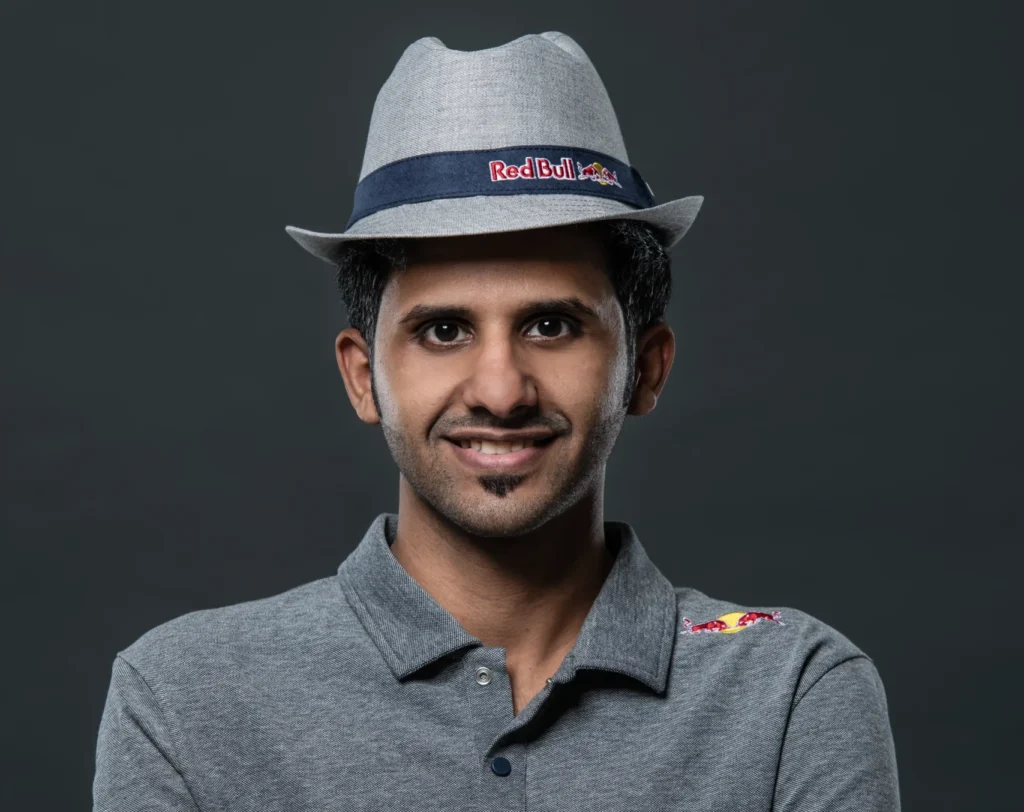
Farah Hassan
The Quiet Authority of Presence in a Hyper Visible World
By Ami Pandey
There is a particular kind of presence that does not demand attention but inevitably holds it. It is not loud, not theatrical, and not engineered for virality. It exists somewhere between restraint and confidence, where the individual does not chase visibility yet becomes impossible to overlook. This is the space Farah Hassan occupies, and it is precisely what makes her compelling in an era defined by constant performance.
To understand her influence is to first understand the shift taking place across digital culture. For years, visibility has been synonymous with value. The more one posted, the more one revealed, the more one amplified their persona, the greater their perceived relevance. Yet increasingly, there is a quiet fatigue surrounding this endless cycle of exposure. Audiences are beginning to gravitate toward something else entirely. They are drawn to figures who do not appear to be trying so hard.
Farah’s aesthetic operates within this recalibration. Her presence feels considered rather than reactive. Each image suggests intention without appearing overly constructed. There is a subtle confidence in knowing when not to speak, when not to post, when to let absence become part of the narrative. In a landscape where oversharing has become the norm, restraint itself becomes a form of distinction.
This does not mean detachment. On the contrary, her appeal lies in the balance she maintains between accessibility and distance. There is enough visibility to create familiarity, but enough privacy to preserve intrigue. It is this equilibrium that allows her audience to project meaning onto her presence without feeling overwhelmed by it.
Style plays a central role in this dynamic. Rather than relying on overt trends, her approach to fashion feels intuitive. Silhouettes are chosen not for their immediacy but for their longevity. Colors are curated rather than accumulated. There is an understanding that style is not about constant reinvention but about consistency with subtle evolution.
This philosophy aligns with a broader cultural movement toward intentional living. As audiences become more conscious of consumption, both in fashion and in content, they are seeking figures who embody a more thoughtful approach. Farah’s presence suggests a slower pace, a refusal to be dictated by the urgency of the algorithm.
There is also a regional context that informs her identity. Operating within a Middle Eastern and global digital landscape, she navigates a space where tradition and modernity intersect. This intersection is not always straightforward.
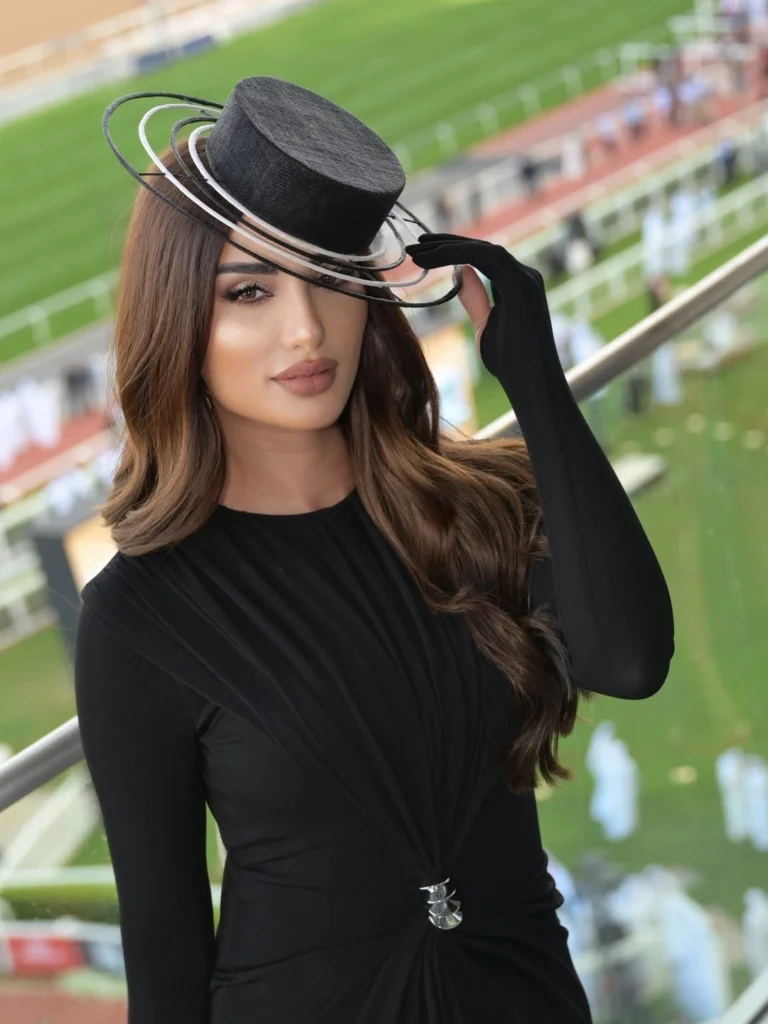
It requires negotiation, awareness, and sensitivity. Her ability to move within this space without appearing conflicted adds another layer to her appeal.
The notion of influence itself is being redefined. It is no longer solely about reach or metrics but about resonance. Farah’s influence lies in how she makes her audience feel rather than how often she appears. It is subtle but enduring.
In many ways, she represents a new archetype of digital presence. One that prioritizes quality over quantity, intention over immediacy, and identity over performance. It is a reminder that influence does not always need to be loud to be powerful.