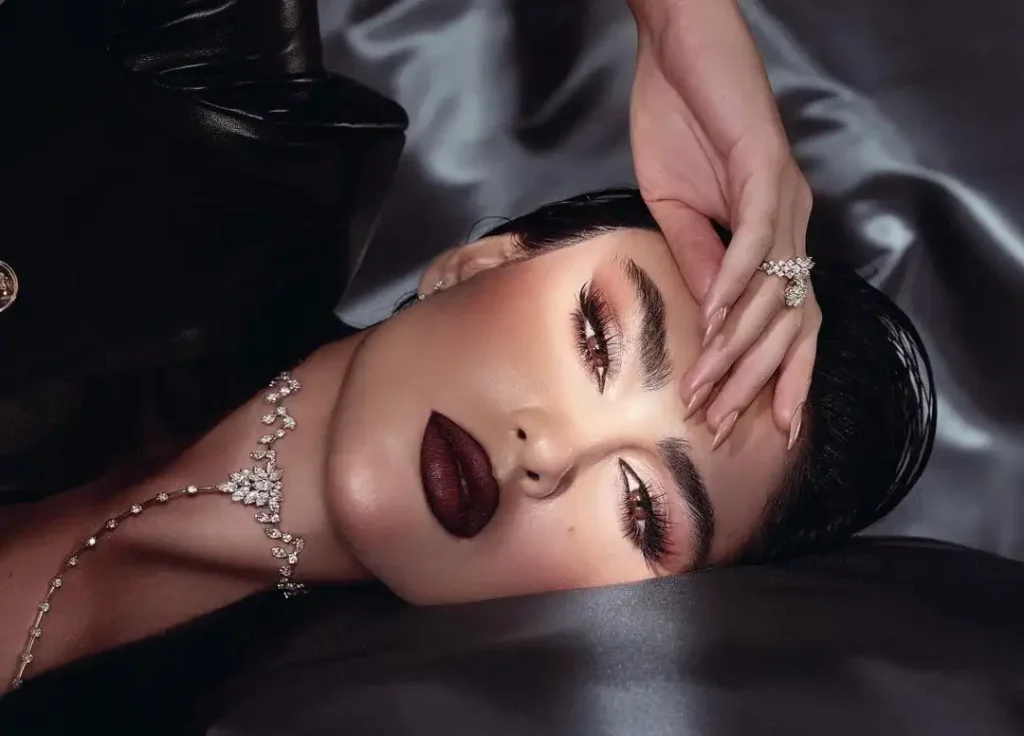
Amina Khalil
The Custodian of Contemporary Expression
By Ami Pandey

In the grand, sweeping tapestry of Egyptian cinema a landscape often defined by its historical titans and rigid archetypes Amina Khalil has emerged as a vital, transformative force. She does not merely inhabit her characters; she breathes into them a modern, analytical life that mirrors the complexities of a society in flux. Her presence on screen is marked by a sophisticated equilibrium, a blending of classical training with a pulse that is entirely current. To observe her work is to witness a deliberate move away from the two-dimensional portrayals of the past toward a more nuanced, psychologically dense form of storytelling. She has become the face of a generation that demands authenticity over Artifice, and substance over the superficiality of celebrity.
Her professional journey is underpinned by an academic rigour that is as rare as it is formidable. With a foundation built at the American University in Cairo and refined at the Lee Strasberg Theatre and Film Institute in New York, as well as the Moscow Art Theatre, she possesses a globalised perspective on the craft. This international exposure has not diluted her Egyptianness; rather, it has provided her with the technical vocabulary to express it with greater precision. She approaches each script as a scholarly text, excavating the social and emotional subtext with a discipline that betrays her corporate-level focus. This was perhaps most apparent in her breakout role in Grand Hotel, where she navigated the period-specific constraints of 1950s Aswan with a poise that felt both historically accurate and vibrantly alive.
However, it is in her choice of contemporary narratives that her true influence is felt. Through projects like Leh Laa? and Al Harsha Al Sabe’a, she has spearheaded a shift toward dramas that tackle the silent tensions of modern Arab life—the pressures of female independence, the fractures in domestic partnerships, and the heavy weight of societal expectation. She has a specific talent for making the domestic feel epic, finding the universal struggle in the quiet moments of a kitchen conversation or a shared look of disappointment. By choosing roles that challenge traditional stereotypes, she has effectively turned the television screen into a mirror for her audience, forcing a collective engagement with topics that were previously relegated to the periphery of public discourse.
Beyond the lens, her role as an Honorary Ambassador for the United Nations Population Fund underscores a commitment to public service that is 24/7 in its intensity. She does not view her fame as a destination but as a megaphone for those whose voices are often muffled by tradition. Her advocacy for women’s rights, reproductive health, and body autonomy is not a series of polished soundbites but a sustained, intellectual engagement with the structural challenges facing her community. She understands that the power of an icon is best utilised when it is directed toward the dismantling of bias and the promotion of equity. In her hands, philanthropy is not an accessory to her career; it is the core of her professional identity.
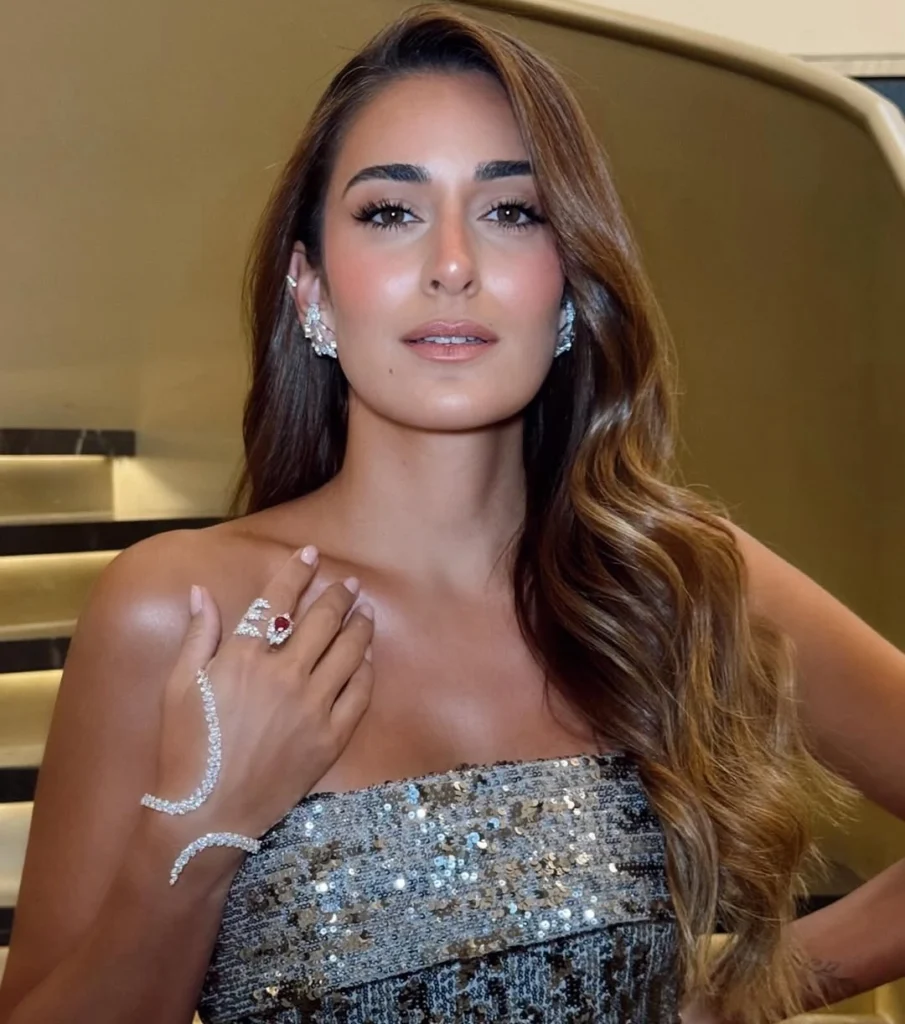
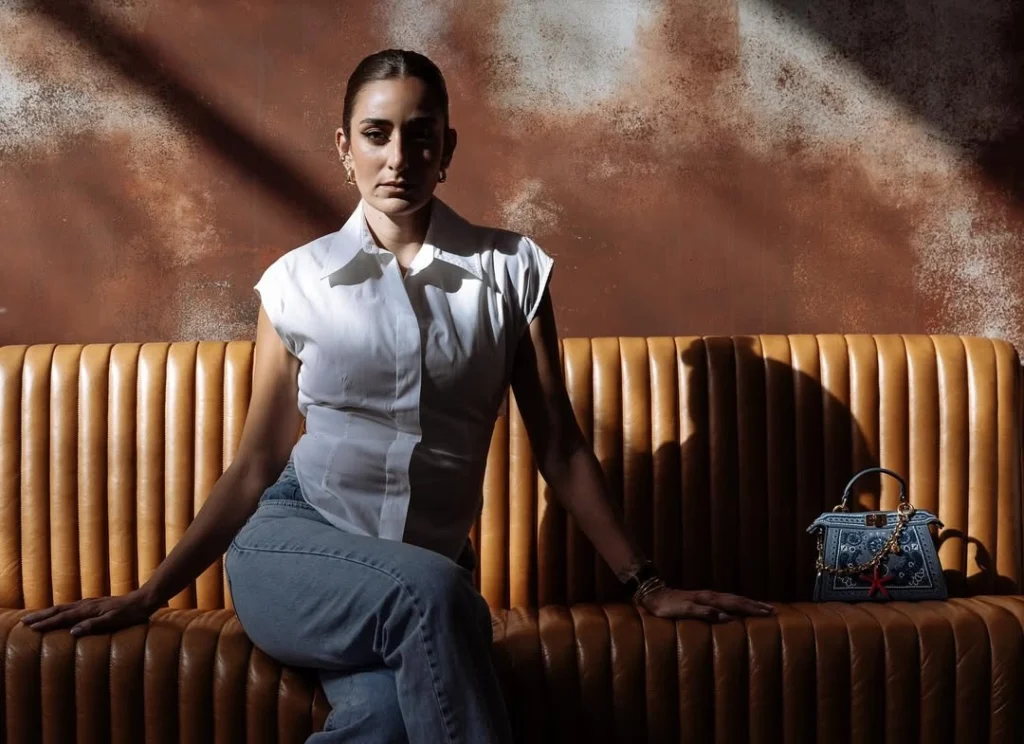
Even in the face of the relentless scrutiny that comes with being a public figure in the digital age, she maintains a transparency that is both daring and refreshing. Her willingness to discuss personal hurdles, from the pressures of body shaming to the complexities of solo travel, has forged a bond of genuine trust with her massive following. She rejects the pedestal of the untouchable star in favour of a more human, relatable vulnerability. This honesty is her most potent currency, allowing her to lead conversations on mental health and self-acceptance with an authority that feels earned rather than assigned. She is a woman who is comfortable in the chaos of the spotlight, precisely because she is anchored by a clear sense of purpose.
As the cinematic landscape continues to evolve, Amina Khalil stands as its most articulate navigator. She is a builder of bridges—between the old world and the new, between the ivory tower of academia and the bustling streets of Cairo, and between the art of performance and the necessity of activism. Her legacy is not just the awards she has garnered or the blockbuster films she has carried, but the subtle shift in the cultural atmosphere that her presence has facilitated. She remains a constant in a world of variables, a custodian of the collective consciousness who continues to prove that the most enduring form of luxury is the courage to be oneself.