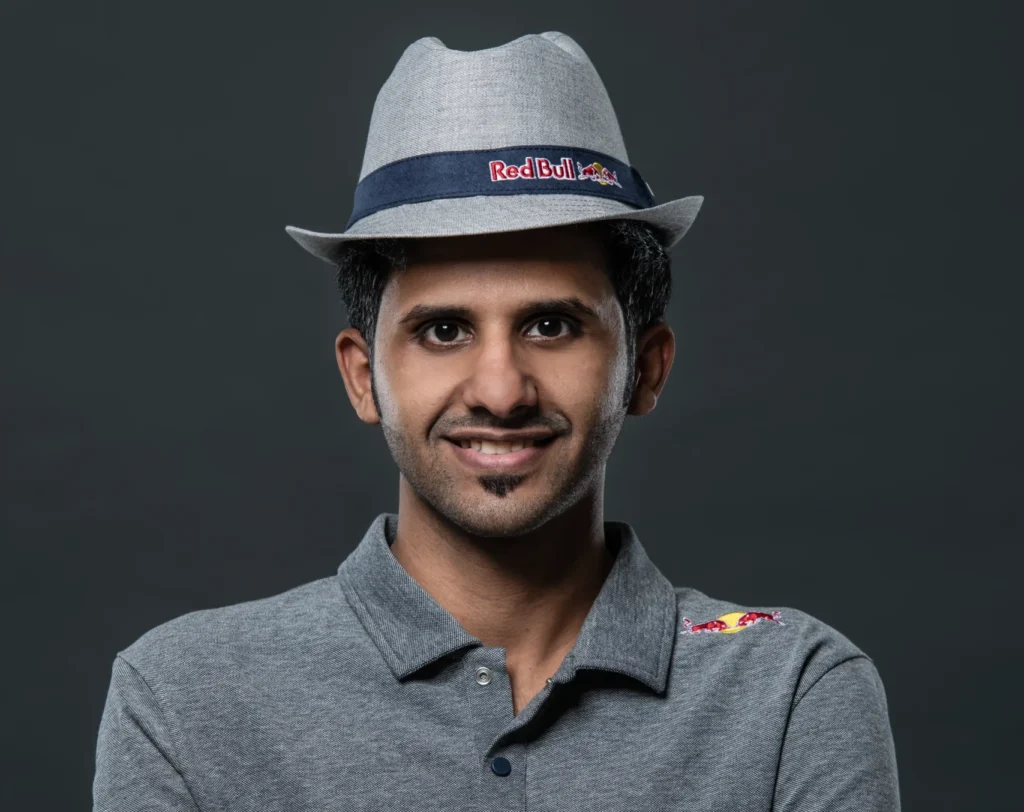
Haifa Wehbe
The Eternal Reign of the Lebanese Diva
By Hana Chase
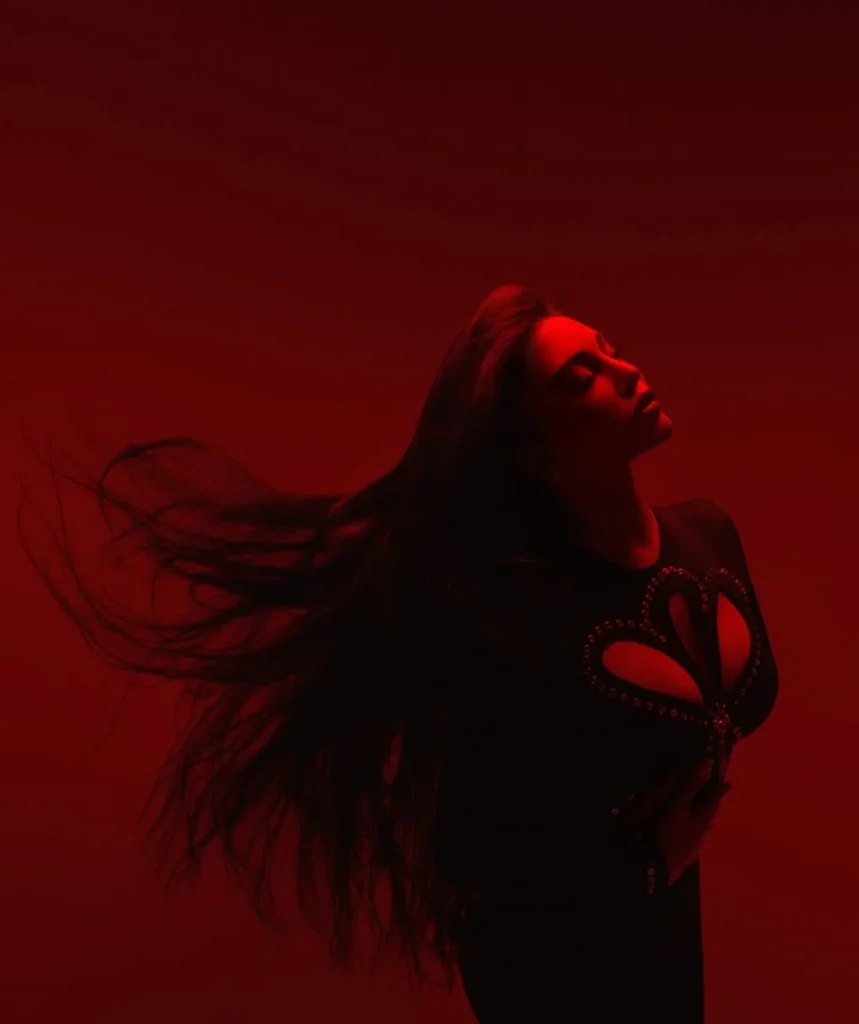
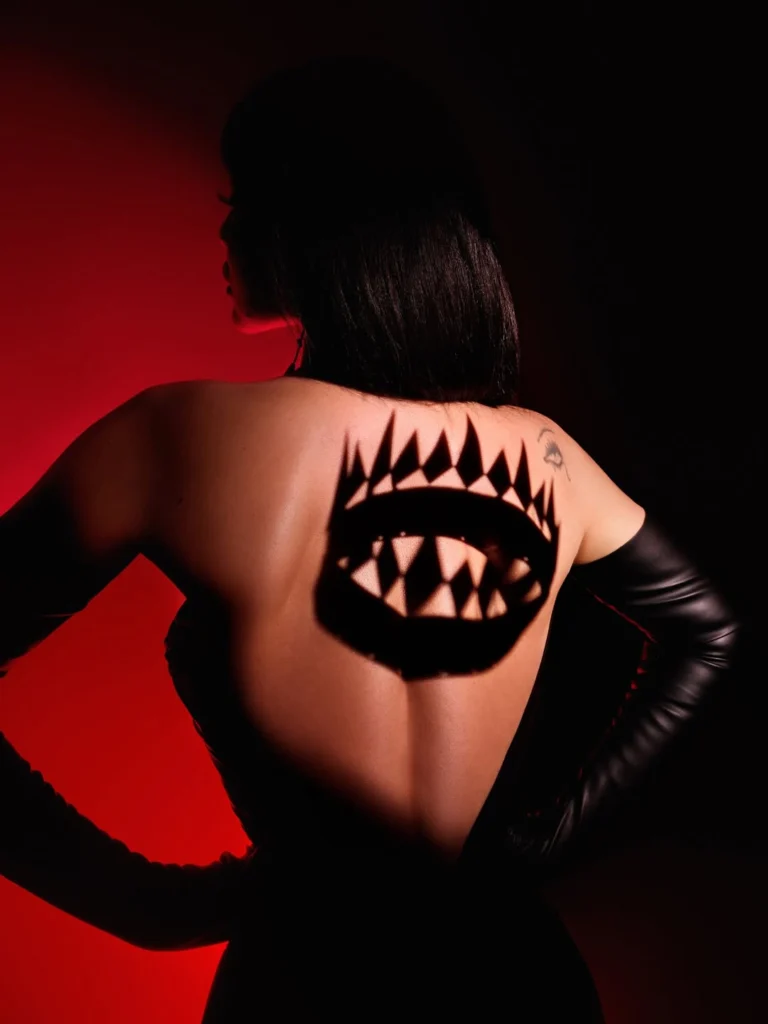
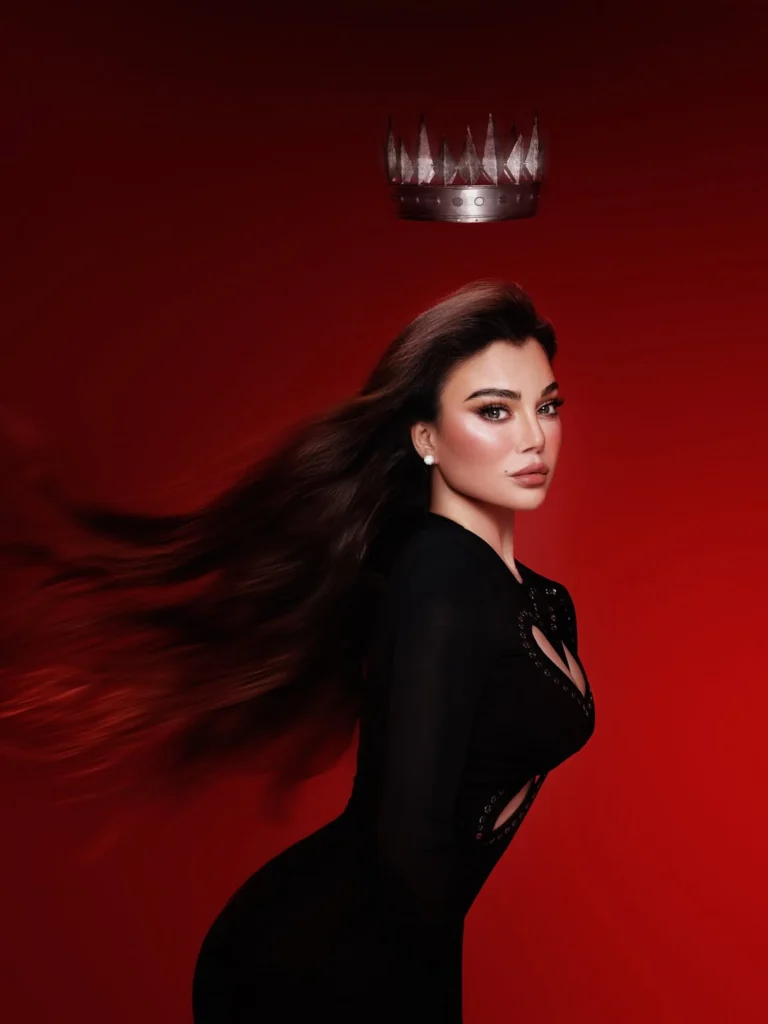
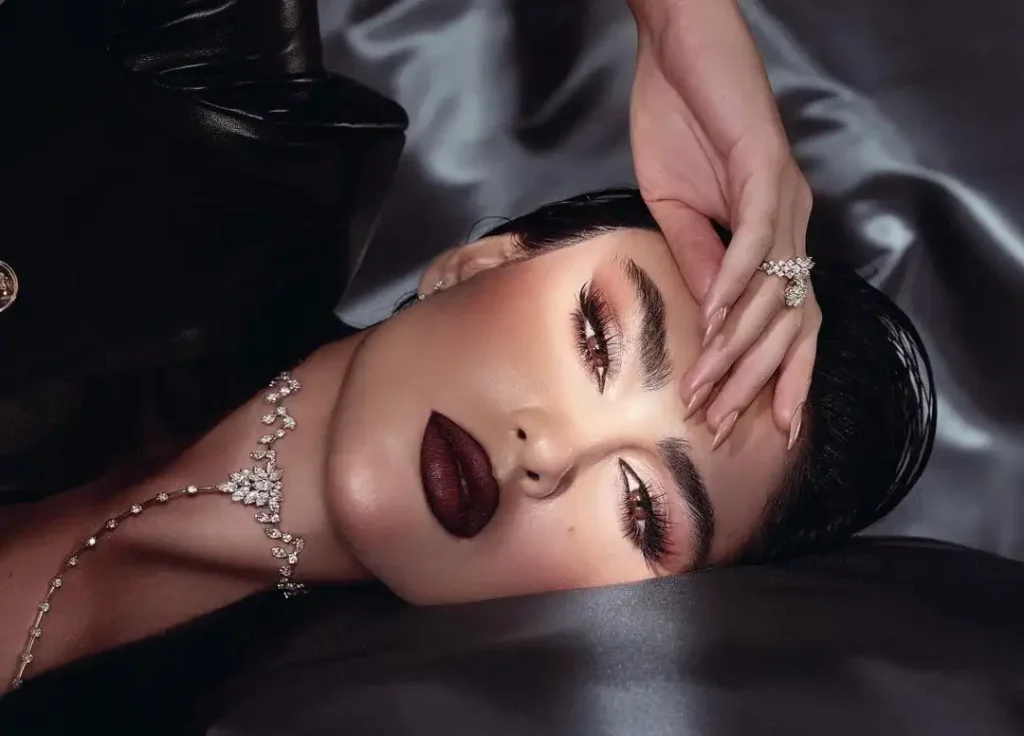
Few figures in the modern history of Middle Eastern entertainment have commanded as much attention, adoration, and debate as Haifa Wehbe. She is not merely a singer or an actress but a genuine cultural phenomenon who has managed to stay at the very peak of the entertainment industry for over two decades. Born in the small village of Mahrouna in Southern Lebanon to a Lebanese father and an Egyptian mother, her journey from a rural upbringing to the neon lights of Beirut and beyond is the stuff of modern legend. From the moment she first stepped into the public eye, it was clear that the region had found a new kind of icon, one who would challenge traditional norms while simultaneously embracing the rich, rhythmic heritage of Arabic music
Her rise began in the world of beauty and fashion, where her striking features and natural poise made her an instant standout. Winning the title of Miss South Lebanon at just sixteen was the first hint of the stardom to come, though her path was not without its early hurdles. A runner-up finish in the 1995 Miss Lebanon pageant ended in a disqualification when it was revealed she had already been married and had a daughter, a revelation that might have ended a lesser career in the conservative climate of the mid-nineties. Instead, it only added to the aura of mystery and resilience that would define her. She pivoted seamlessly into high-fashion modelling, appearing on hundreds of magazine covers and becoming one of the most sought-after faces in the Arab world before she had even recorded a single note of music.
When she finally made the transition to singing with her debut album in 2002, the reaction was nothing short of electric. That first record, titled Houwa El Zaman, introduced a sound that was unashamedly pop, danceable, and incredibly polished. It was not just about the music, though; it was the visual package that came with it. Her music videos were cinematic events, often featuring high-fashion wardrobes and choreography that felt years ahead of what her contemporaries were doing. She understood early on that in the digital age, a pop star needs to be a visual feast as much as an auditory one. Songs like Agoul Ahwak became instant hits, proving that she had the charisma to carry a melody as well as a catwalk.
By the mid-2000s, Haifa had become a household name, but she was also a lightning rod for debate. Her 2005 album Baddi Aech, which translates to I Want to Live, arrived at a particularly poignant moment in Lebanese history, released shortly after the assassination of Rafik Hariri. The title track became an anthem for a generation seeking freedom and normal life amidst political turmoil. However, it was her more playful tracks, like the infamous Bus al-Wawa, that sparked the most conversation. Critics often took aim at her provocative image, yet her fans saw something different: a woman who was in total control of her narrative and her body. She was a pioneer of what we might now call celebrity authenticity, refusing to conform to the demure, traditional image often expected of female artists in the region.
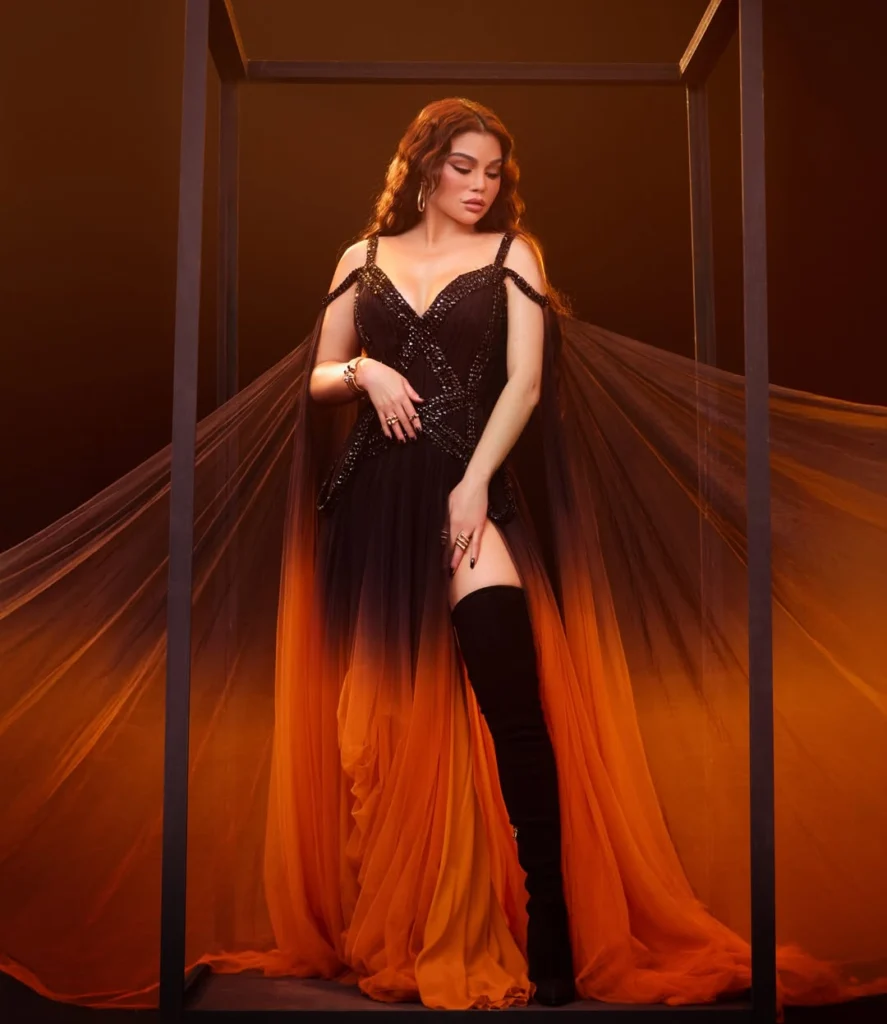
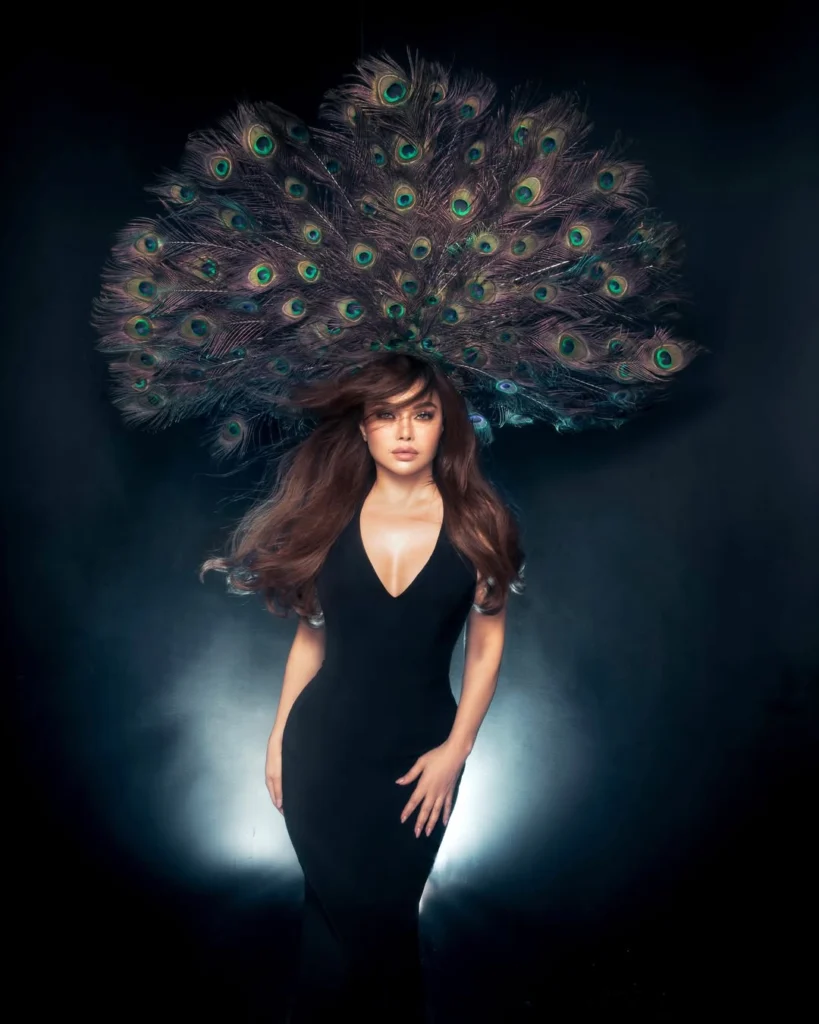
The sheer scale of her fame eventually caught the attention of the West. In 2006, she became the first Arab artist to perform alongside American hip-hop superstar 50 Cent during his concert in Beirut, a moment that symbolised the bridge she was building between Eastern and Western pop cultures. That same year, People Magazine included her in its list of the world’s fifty most beautiful people, a nod to her global appeal. Her film career followed a similar trajectory of high-profile success, starting with the Pepsi-produced Sea of Stars in 2008 and moving into more serious dramatic territory with films like Dokkan Shehata and the controversial yet commercially successful Halawet Rouh. These roles proved she was more than just a pop princess; she possessed a gritty, emotional depth that resonated with cinema audiences across Egypt and the Levant.
Her personal life has often been as much a subject of public fascination as her career. From her high-profile marriage to and subsequent divorce from Egyptian businessman Ahmed Abou Hashima to her more recent legal battles with former management, she has lived her life under the most intense scrutiny imaginable. Yet, she has always handled these challenges with a certain steely grace. There is a famous story of a near-fatal accident in 2007 while she was filming a music video, where a small airplane accidentally struck the car she was driving. She emerged with only minor injuries, a moment her fans often cite as proof of her near-supernatural resilience. She seems to possess an innate ability to turn adversity into a narrative of strength, a quality that has kept her relevant while many of her peers have faded away.
In recent years, she has embraced the digital era with more enthusiasm than perhaps any other artist of her generation. Her Instagram account is a masterclass in modern branding, a curated gallery of high fashion, behind-the-scenes glimpses, and direct communication with her millions of followers. It is here that she showcases her evolving style, moving from the glittery gowns of her early career to sophisticated, edgy streetwear. In 2019, she even launched her own fashion line, Beau Voyou, which she described as a world of freedom and love. The brand’s use of rainbow colours and its message of inclusivity further cemented her status as a progressive icon, showing that she was not afraid to use her platform to support social causes that matter to her younger, more globalised audience.
Musically, she has continued to evolve as well. Her 2018 album Hawwa was a landmark release, produced independently without a major record label. It reached the top of the iTunes charts almost instantly, proving that her name alone was enough to drive massive commercial success. In 2021, her collaboration with Egyptian artist Akram Hosny on the track Law Kont became a viral sensation, showing she could still dominate the charts in the era of TikTok and streaming. Even as recently as late 2025, she remains a headline fixture, recently performing massive shows at the Forum de Beirut alongside artists like Mohamed Ramadan, showing that her stage presence is as magnetic as ever.
What makes her truly stand out in the crowded world of Arab entertainment is her refusal to be defined by anyone else’s rules. She has been banned from performing in certain countries for being too daring, she has been criticised by traditionalists for her wardrobe, and she has been the subject of endless tabloid gossip. Through it all, she has remained remarkably consistent. She is a woman who understands the power of the image but also the importance of the work. Whether she is acting in a high-stakes Egyptian drama or releasing a catchy summer pop hit, there is a level of professionalism and “Haifa-ness” that is unmistakable.
She has also become a significant figure in Lebanese national pride. Despite her massive success in Egypt, where she is treated like a local queen, she has never forgotten her roots. During times of conflict or national tragedy in Lebanon, she has frequently used her influence to raise funds and morale. She has often spoken of her admiration for those who stand up for her country, and while she generally keeps a distance from partisan politics, her loyalty to the Lebanese people is a cornerstone of her public identity. This blend of the global diva and the local patriot is part of why she is so deeply loved across such a wide demographic.
Her influence on the next generation of Arab artists is impossible to ignore. You can see her fingerprints on almost every young female singer who dares to be glamorous or bold today. She broke the glass ceiling for what a female pop star could be in the Middle East, proving that you could be modern, sexy, and successful without losing your cultural identity. She taught a generation of women that they did not have to choose between being traditional and being free. That legacy is perhaps even more important than her chart-topping hits or her box-office records.
As we look at her career in 2025, it is clear that she is far from finished. With new EPs like Mega Haifa and a constant stream of singles that dominate the airwaves from Morocco to the Gulf, she continues to reinvent herself. She has navigated the transition from the era of cassette tapes and satellite TV to the world of Instagram and digital streaming with a level of skill that is truly impressive. She is not just a star of the past; she is very much a star of the present and the future.
Ultimately, the story of Haifa Wehbe is a story of survival and triumph. In an industry that is notoriously fickle and often unkind to women as they age, she has managed to remain the ultimate “it girl” for over twenty years. She has done it by being smarter than people gave her credit for, harder-working than her effortless glamour suggested, and more resilient than anyone could have expected. She remains the definitive diva of the Arab world, a woman who looked at the boundaries placed around her and decided to simply walk right through them. Whether she is on a stage in Beirut or a red carpet in Cannes, she is, and always will be, uniquely Haifa.