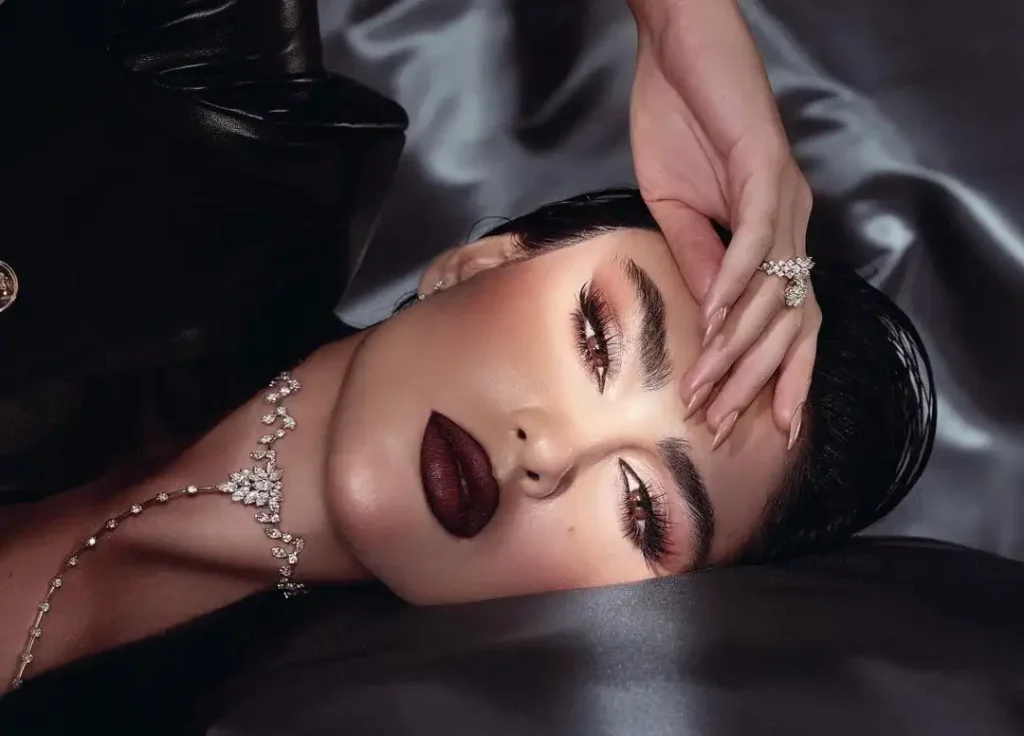
Rabia Zayyat
A Life Between Heritage and Modern Influence
By Afef Yousfi
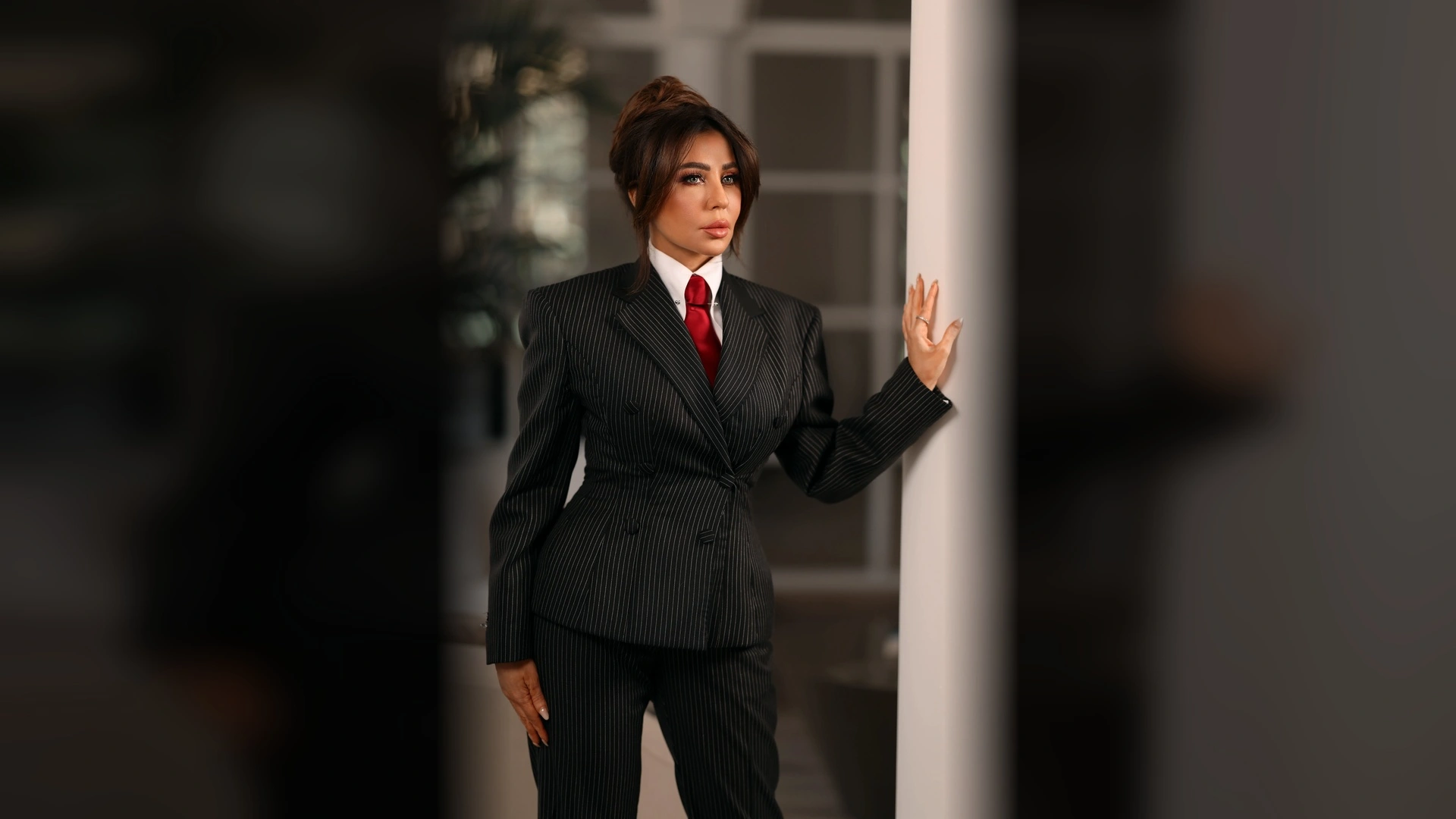
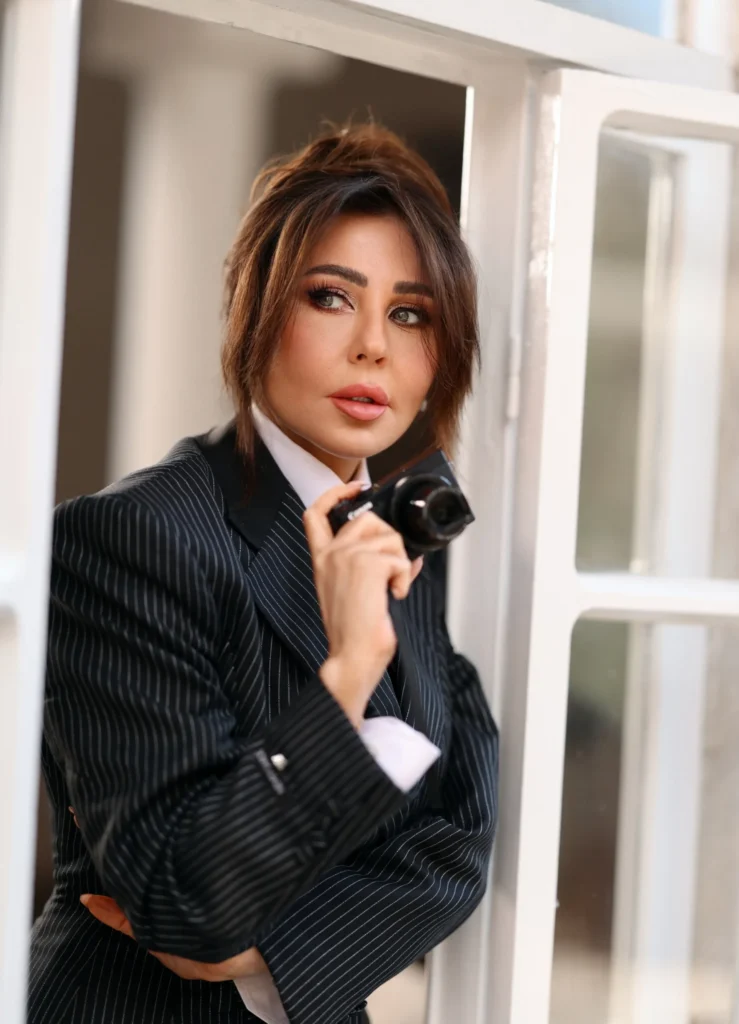
Rabia Zayyat speaks with a clarity that reflects both conviction and balance, a woman shaped by the rhythm of a fast moving world yet deeply anchored in heritage. She describes herself as a blend of modernity and tradition, someone who embraces progress, beauty, and the evolving language of social media, while remaining firmly connected to her roots. For her, identity is not a choice between past and present, but a dialogue between the two. She carries this philosophy into every detail of her life, from fashion to the design of her home, where contemporary aesthetics meet authentic cultural elements. Even her personal style mirrors this harmony, combining classic Arab and Lebanese influences with her own distinct expression. She believes that true success is impossible without honoring one’s origins, that moving forward should never come at the cost of losing where you come from.
Motherhood stands at the center of her journey, not simply as a personal milestone but as the force that reshaped her purpose. Becoming a mother pushed her to seek a more active role in society, to become a voice that contributes and influences. Media became her gateway, first through television and later through social platforms that expanded her reach. Through these channels, she discovered the power of presence and the responsibility that comes with it. Her path was not defined by a single turning point, but by a series of realizations rooted in responsibility toward her children and a desire to help shape a better world for them.
Her loyalty to her roots remains non negotiable. While she embraces innovation in fashion and technology, she is selective, choosing only what aligns with her values and lifestyle. The principles she carries were instilled by her family, by her grandmother and mother, and reinforced by her community. She does not claim perfection, but she is intentional in how she translates those values into a modern context, whether through digital content, public speaking, or her involvement in discussions around women, children, fashion, and beauty. Her work is not about preserving tradition in a static form, but about allowing it to evolve without losing its essence.
For Rabia, multiculturalism is simple in theory yet profound in practice. It is about accepting differences and being open to others beyond boundaries of race, religion, or nationality. She sees diversity not as a challenge but as a source of richness, an opportunity for dialogue and meaningful exchange. This perspective informs her approach to media and communication, where she seeks depth beyond surface level representation.
She acknowledges the dual nature of social media, recognizing its ability to connect while also contributing to superficiality. She supports technological progress and believes it is essential to keep up with the digital age, yet she emphasizes that the real responsibility lies with the individual. Platforms themselves are neutral, but how they are used depends on awareness, ethics, and intention. For her, social media can be a powerful tool for spreading meaningful messages, not just curated images.
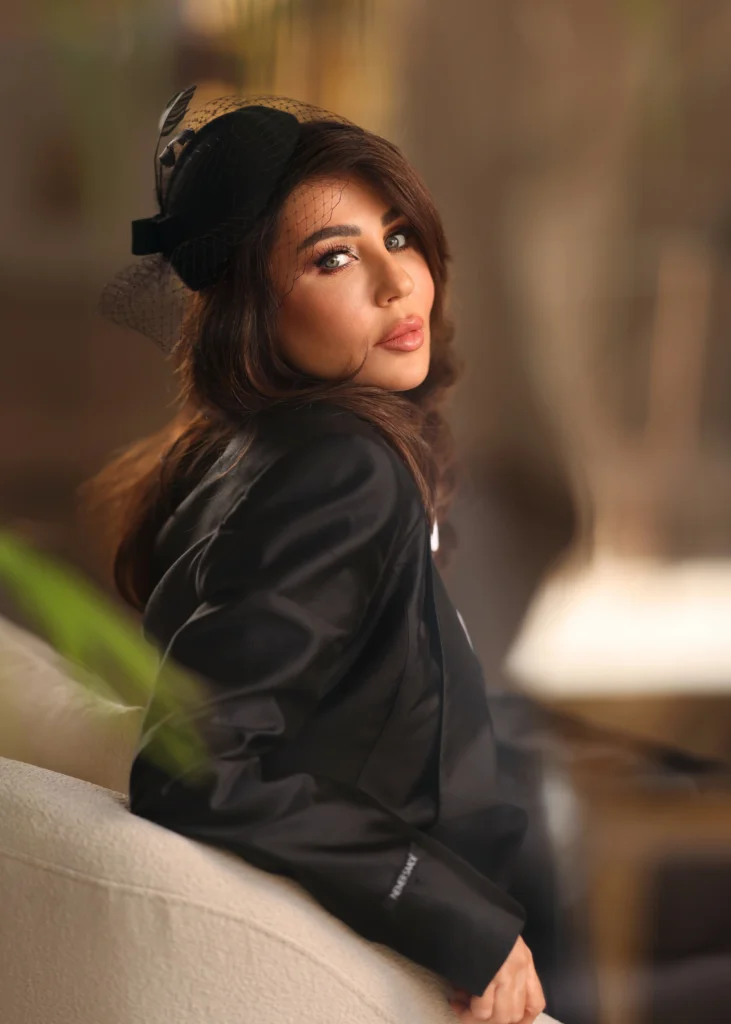
She senses a growing demand for content that is genuine, positive, and rooted in reality rather than illusion. Balance, she insists, is key, as life itself is layered and cannot be reduced to a single dimension.
At the same time, she is critical of the stereotypes amplified by these platforms. The repetition of certain beauty standards and lifestyles creates pressure and often leads to a loss of individuality. She sees this as one of the most pressing challenges of the digital era. Each person, she says, is inherently unique, and the goal should not be to replicate trends but to adapt them in a way that reflects one’s own identity. Awareness becomes the defining factor, the ability to engage with trends without being consumed by them.
In her own content, Rabia strives to maintain a human centered approach. She does not separate appearance from substance, but instead presents a complete picture that includes thought, emotion, and experience. Her content shifts with context. In moments of global hardship, she engages with seriousness and empathy. In quieter times, she allows herself to share lighter aspects of life. Regardless of tone, her intention remains consistent, to communicate authentically and share insights drawn from her own experiences without imposing them on others. While her primary audience may be women, her message extends to society as a whole.
She views the association of the Arab world with beauty and elegance as a strength rather than a limitation. Rejecting outdated notions that equate beauty with silence or intellect with neglect of appearance, she argues for a more holistic perspective. Appreciation for aesthetics, fashion, and art does not contradict intelligence or influence. Instead, it enhances cultural identity. The issue arises only when appearance becomes the sole focus, something she actively challenges by advocating for both form and substance.
Her connection to heritage is evident not only in her philosophy but in the cultural symbols she celebrates. Traditional garments, artistic expressions, and social customs all represent a living identity that continues to evolve without disappearing.
She notes how these elements remain visible across the Arab world, particularly in the Gulf, and expresses a desire to see them embraced even more widely. Beyond aesthetics, she highlights the enduring strength of family bonds, social cohesion, and shared traditions, all of which persist despite rapid modernization.
Rabia is also aware of the misconceptions surrounding Arab women in fashion and beauty, particularly the growing trend toward uniformity. She sees a concerning pattern where individuality is being replaced by imitation, driven by social pressures and digital influence. Her response is rooted in awareness and education, encouraging women to embrace their uniqueness rather than conform to a single standard. Progress in beauty and technology, she believes, should enhance identity, not erase it.
Balancing authenticity with the demands of the digital world, in her view, comes down to awareness. Every piece of content shared online becomes part of one’s identity, a reflection of values and choices. Maintaining that balance requires consciousness and a clear understanding that losing one’s roots ultimately leads to a loss of self, something she considers deeply harmful not only to individuals but to society as a whole.
Her perspective on global integration reflects the same duality that defines her personal philosophy. She recognizes that today’s world is interconnected, where content can resonate across continents and cultures. To engage with a global audience, one must speak its language and adapt to contemporary standards of presentation. Yet, she remains committed to expressing her core identity and values, proving that it is possible to be both globally relevant and authentically rooted. Social media, in her eyes, has transformed the world into a small village, offering an opportunity to share cultural values such as family, tradition, and human connection in a modern and accessible way.
Looking ahead, Rabia Zayyat is focused on expanding her presence across multiple platforms. She is preparing to launch a new television program while continuing her work in digital content creation. Her involvement in conferences across the Arab world remains an important part of her mission, despite recent challenges that have delayed some events. She continues to develop her presence on platforms such as Instagram, X, Facebook, and YouTube, where her audience has grown significantly. Through her channel, she addresses a wide range of topics, from social and human issues to art, medicine, and politics, always aiming to offer something new. Alongside this, she is committed to education, providing training programs for aspiring content creators in cities such as Lebanon and Dubai, with plans to expand further across the region.
Her journey is ongoing, shaped by a commitment to growth, authenticity, and meaningful influence.