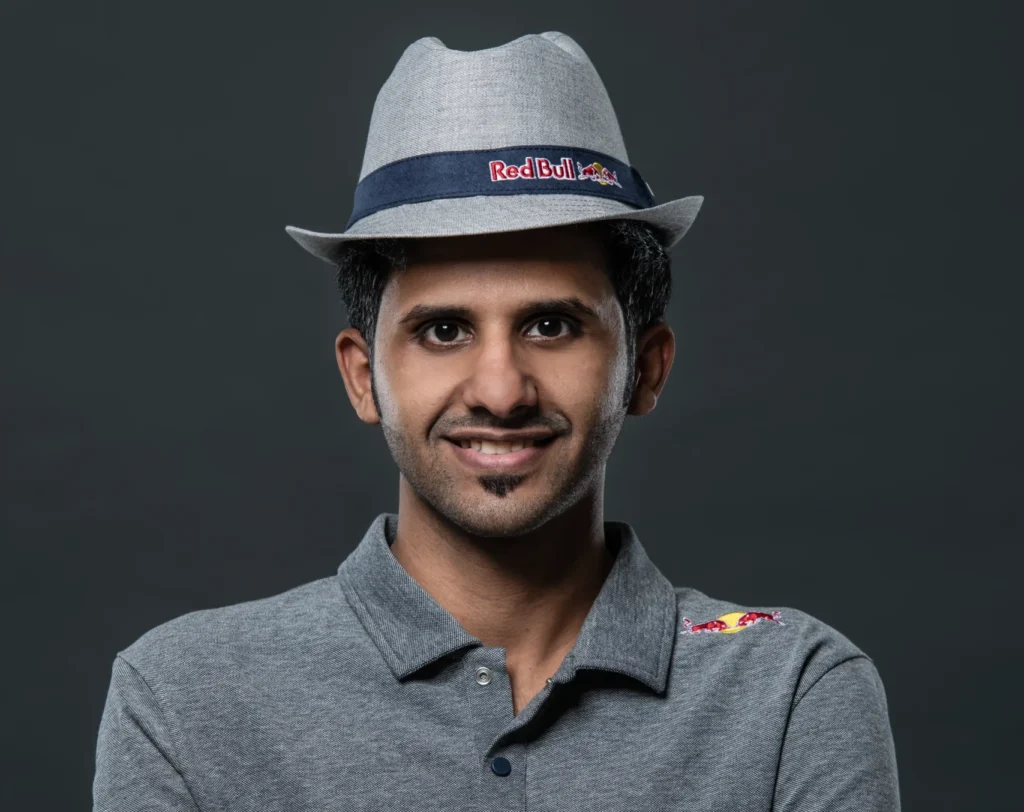
Ahmed Helmy
The Quiet Gravity Beneath Egypt's Most Beloved Smile
By Ami Pandey
Ahmed Helmy occupies a rare position within Arab entertainment, one that transcends celebrity entirely. For more than two decades, he has remained not only one of Egypt’s most successful actors, but one of its most emotionally trusted public figures. In an industry often shaped by spectacle, vanity, and carefully constructed personas, Helmy built his legacy through something deceptively simple: humanity. Audiences do not merely admire him for his humour, talent, or cinematic success. They feel emotionally safe with him. His presence carries warmth, intelligence, gentleness, and an unmistakable sincerity that has allowed him to endure across generations without ever feeling outdated.
There is a profound softness beneath Ahmed Helmy’s comedy, and perhaps that is precisely why it resonates so deeply. Unlike performers who rely upon loudness or theatrical exaggeration, Helmy mastered a quieter emotional rhythm. His humour emerges through observation, vulnerability, awkwardness, and emotional honesty. He does not perform as though he exists above ordinary people. Instead, he reflects them back to themselves with tenderness and wit, allowing audiences to recognise fragments of their own insecurities, dreams, frustrations, and absurdities within his characters.
Born in Banha before spending part of his childhood in Saudi Arabia, Helmy eventually returned to Egypt carrying the experiences of movement, adaptation, and observation that would later shape much of his emotional intelligence as a performer. Long before cinema transformed him into a household name, he studied at the Higher Institute of Dramatic Arts in Cairo and worked initially in television presentation. Even during those early years, there was something strikingly different about his presence. He possessed charisma without arrogance, humour without cruelty, and confidence without emotional distance.
His transition into acting felt almost inevitable. Yet unlike many stars whose early success depends heavily upon image or trend, Ahmed Helmy’s appeal developed through relatability. Audiences saw in him not an untouchable leading man, but a deeply recognisable human being navigating life with humour and emotional vulnerability. This relatability became the emotional foundation of his career.
Films such as Aboud Ala El Hedoud, El Nاظر, Keda Reda, and Asal Eswed transformed him into one of the defining cinematic figures of modern Egyptian comedy. Yet even within commercial success, Helmy consistently brought emotional depth into his performances. His characters often carried quiet loneliness beneath humour, emotional confusion beneath sarcasm, or longing beneath absurdity. He understood instinctively that the most powerful comedy often emerges from pain, vulnerability, and emotional truth rather than performance alone.


Perhaps what makes Ahmed Helmy so enduring is his extraordinary understanding of emotional balance. He can make audiences laugh without humiliating anyone. He can create satire without bitterness. He can portray weakness without losing dignity. In a cultural landscape where comedy sometimes depends upon mockery or excess, Helmy’s humour remains profoundly human. There is kindness within it.
This emotional intelligence extends far beyond cinema itself. Throughout his career, Helmy cultivated a public image rooted in humility and emotional authenticity rather than celebrity spectacle. Despite immense fame across the Arab world, he never appeared consumed by the machinery of stardom. Interviews, public appearances, and social media interactions all reveal the same grounded personality audiences encountered onscreen. He speaks thoughtfully, often with introspection and emotional nuance, carrying himself with the quiet confidence of someone entirely comfortable within his identity.
His marriage to actress Mona Zaki further reinforced this public perception of emotional sincerity. Together, they became one of the Arab world’s most admired couples, not because they projected perfection, but because their relationship appeared rooted in mutual respect, humour, and emotional companionship. In a celebrity culture frequently dominated by performance and publicity, their partnership felt remarkably genuine. Audiences saw not a glamorous façade, but two people navigating life, parenthood, success, and vulnerability together.
Fatherhood, too, reshaped Helmy’s emotional landscape in visible ways. Over time, his public persona evolved from youthful comedic star into something softer, more reflective, and emotionally layered. Conversations surrounding his children, family life, and personal experiences revealed a man deeply connected to emotional responsibility and tenderness.
Fame never erased his sense of intimacy with ordinary life.
Beyond entertainment, Ahmed Helmy also became increasingly associated with humanitarian work and social advocacy. His involvement with organisations supporting children and health initiatives reflected another important dimension of his identity: empathy. Unlike performative activism often designed for visibility, Helmy’s charitable involvement felt aligned naturally with the emotional values audiences already associated with him. Compassion, sincerity, and social awareness were not additions to his public image. They were extensions of who he already appeared to be.
There is also a striking intellectual sensitivity beneath his humour that often goes unnoticed. Many of his films carry subtle social commentary beneath their comedic surfaces, exploring class, alienation, masculinity, bureaucracy, migration, and emotional disconnection within modern Egyptian society. Helmy understands comedy not merely as entertainment, but as a mirror reflecting human contradiction. Even at his most absurd, there remains emotional and cultural observation beneath the laughter.
As Egyptian cinema evolved through changing generations, streaming platforms, and shifting audience expectations, Ahmed Helmy managed something remarkably difficult: remaining culturally relevant without desperately chasing reinvention. Younger audiences continue embracing him because his emotional authenticity feels timeless. Older generations remain attached to him because he represents continuity, familiarity, and emotional comfort within Arab popular culture.
Social media only amplified this connection. Unlike celebrities who curate distant perfection online, Helmy’s digital presence often reflects humour, warmth, spontaneity, and humanity. Audiences encounter not simply a star, but a man capable of self reflection, playfulness, affection, and vulnerability. This emotional accessibility has become increasingly rare within modern fame.
Even physically, Ahmed Helmy represents a different kind of masculinity within Arab entertainment. His appeal never depended upon hyper masculinity, intimidation, or exaggerated bravado. Instead, he built attraction through emotional intelligence, wit, gentleness, and presence. He made kindness charismatic. He made emotional openness masculine. In many ways, this subtle redefinition of masculinity became one of his most important cultural contributions.
Over the years, audiences have watched him navigate artistic highs, personal challenges, health struggles, and the pressures of enormous public visibility without losing the grounded humanity that first made people love him. There is dignity in the way he carries both success and vulnerability. He never performs invincibility. He remains recognisably human.
What ultimately separates Ahmed Helmy from many entertainers is the emotional atmosphere he creates around his work and public identity. People do not merely consume his performances. They feel emotionally comforted by them. He reminds audiences of the value of gentleness within masculinity, humour within hardship, and sincerity within fame. In a world increasingly shaped by emotional detachment, cynicism, and performance, Helmy continues to embody warmth without naivety and intelligence without arrogance.
Perhaps that is why he remains so beloved after all these years. Not because he became larger than life, but because he never stopped feeling deeply connected to ordinary human emotion. Audiences recognise themselves within him. Their fears, awkwardness, hopes, humour, tenderness, and longing all exist somewhere within the emotional world he creates.
Ahmed Helmy’s greatest achievement may not simply be that he became one of the Arab world’s most successful actors. It is that he became one of its most trusted emotional presences. In every smile, every quiet joke, every vulnerable character, and every thoughtful silence, he reminds people that softness is not weakness, kindness is not simplicity, and humanity itself can still possess extraordinary power.