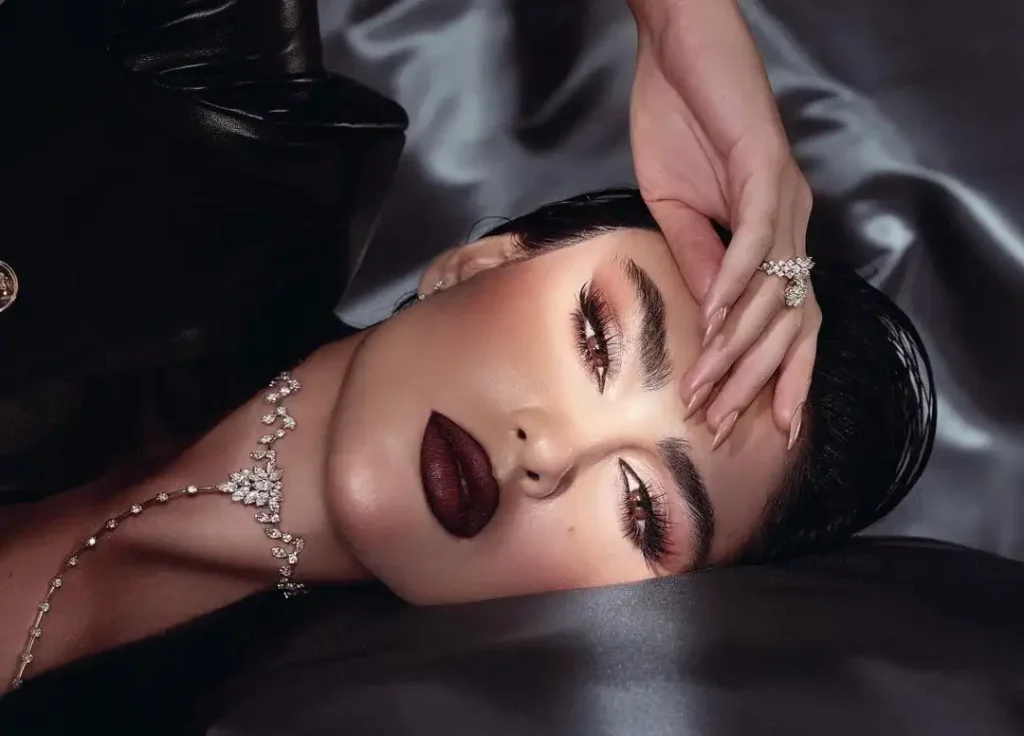
Ayten Amer
The Ember Glow Beneath Egypt's Modern Screen Siren
By Peter Davis
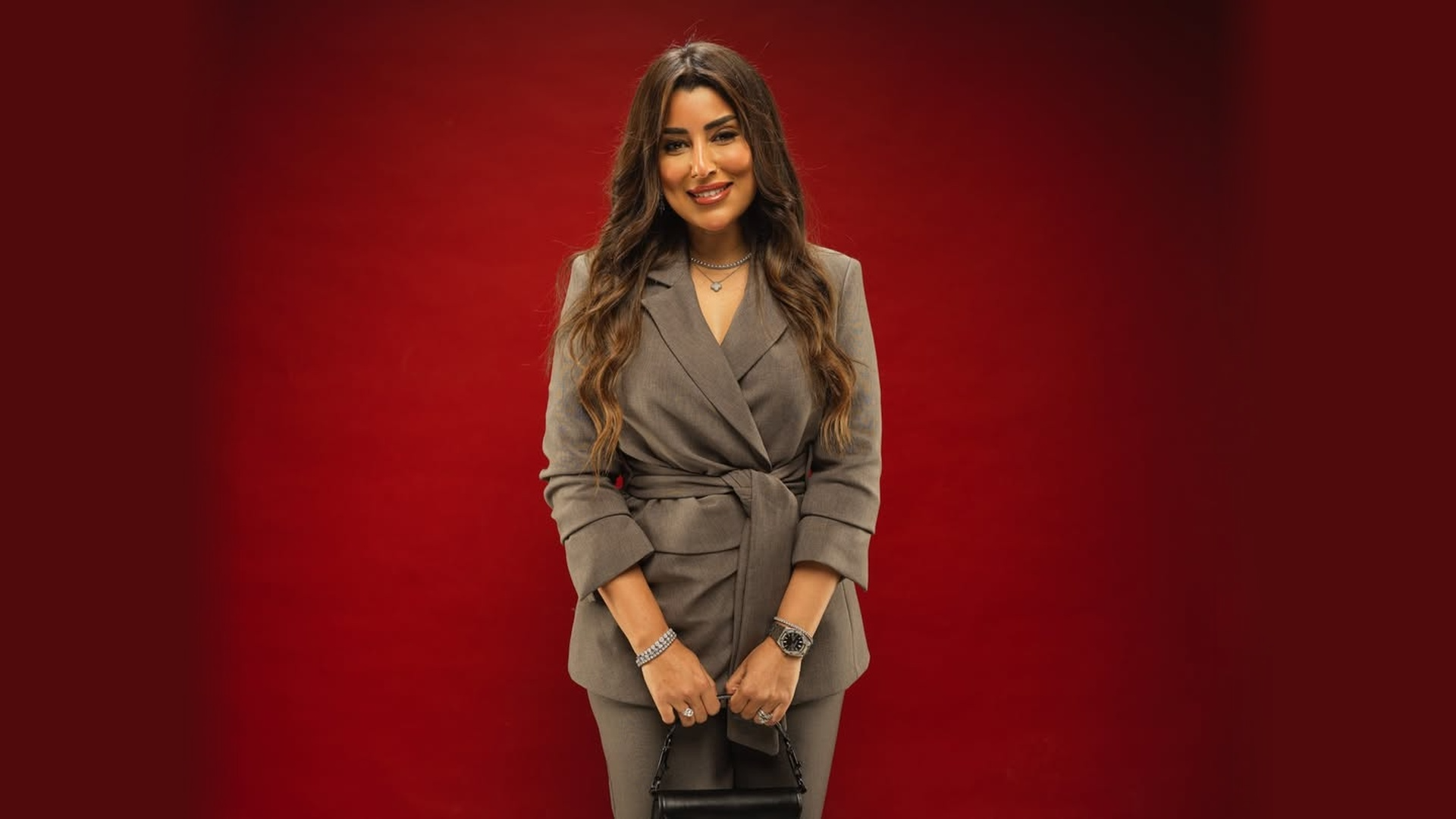
Ayten Amer moves through Egyptian entertainment with a presence that feels both luminous and grounded, balancing cinematic glamour with emotional familiarity in a way few actresses manage effortlessly. In an industry shaped by constant reinvention and visual spectacle, she has cultivated a career defined not merely by beauty, but by adaptability, resilience, and quiet charisma. Whether appearing in drama, comedy, television serials, or digital culture, Ayten possesses the rare ability to feel simultaneously glamorous and emotionally accessible, a balance that has made her one of the most recognisable faces of contemporary Arab entertainment.
Born in Alexandria before moving to Cairo as a child, Ayten’s relationship with performance developed gradually through both discipline and instinct. She studied acting and directing professionally, eventually working as a model before fully stepping into the world of television and cinema. Modelling, she has acknowledged, helped her overcome an early fear of the camera, teaching her how to exist confidently within the gaze of public attention long before acting transformed her life entirely.
What makes Ayten Amer particularly compelling is her refusal to remain confined within a singular image. Throughout her career, she has navigated effortlessly between emotionally heavy dramas, lighthearted comedy, commercial cinema, and socially resonant television series. Unlike performers who rely upon repetition, Ayten approaches every role with a willingness to shift emotionally and aesthetically, allowing audiences to encounter a different dimension of her personality with each performance. This fluidity has given her remarkable longevity within an entertainment landscape that often consumes and replaces women quickly.
There is also a quiet determination beneath her elegance. Coming from a family already associated with the entertainment industry through her sister, actress Wafaa Amer, Ayten could easily have existed within comparison or expectation. Instead, she carved out an entirely separate identity for herself, one built upon consistency, emotional relatability, and personal evolution rather than inherited recognition. Audiences responded not because she belonged to an artistic family, but because she brought an unmistakable individuality into every role she inhabited.
Beauty has naturally accompanied her career, yet Ayten’s appeal has never relied solely upon aesthetics. Her screen presence is shaped as much by emotional warmth and confidence as by physical glamour. There is a softness in the way she speaks and carries herself publicly that contrasts beautifully with the strength she often projects onscreen. This duality has become central to her identity within Egyptian popular culture. She embodies femininity without fragility, glamour without emotional distance.

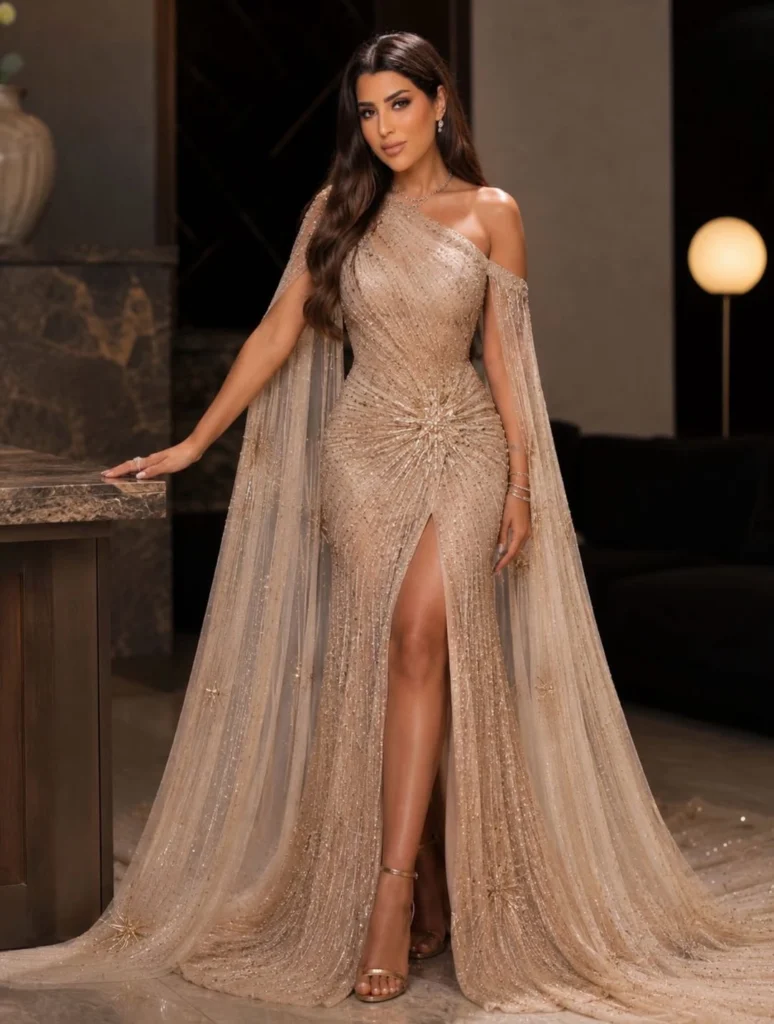
Over the years, Ayten has also become deeply associated with the modern evolution of Arab television drama. Productions such as El Ahd, Bein Al Sarayat, and Ayoub revealed her capacity to move beyond decorative roles into emotionally layered performances that resonated strongly with audiences across the region. She approaches drama with sincerity rather than theatrical excess, allowing emotion to emerge naturally through expression, silence, and vulnerability.
Comedy, however, remains one of her most understated strengths. Unlike exaggerated comedic performers, Ayten possesses a more instinctive and emotionally grounded sense of humour. Her comedic timing feels conversational rather than performative, allowing her characters to remain believable even within highly stylised narratives. This versatility between drama and comedy has given her unusual range within Egyptian entertainment, allowing her career to evolve continuously rather than becoming creatively static.
Beyond performance itself, Ayten Amer also reflects the shifting identity of modern Arab femininity within media. She exists comfortably between traditional elegance and contemporary confidence, maintaining a distinctly Arab identity while embracing the changing visual language of global entertainment culture. Her beauty feels recognisably regional yet universally resonant, rooted in softness, dark glamour, and emotional intelligence rather than excessive artificiality.
Social media has amplified this connection further. With millions following her online presence, Ayten has become more than an actress alone. She represents a lifestyle aesthetic built upon femininity, beauty, motherhood, fashion, and emotional openness. Yet unlike many celebrities whose online personas feel carefully manufactured, her presence retains a sense of familiarity and warmth. Audiences feel they are witnessing fragments of a real woman navigating life publicly rather than a distant celebrity performing perfection.
Motherhood and personal transformation have also added new emotional depth to her public image over time. As her career matured, audiences witnessed a softer and more reflective dimension of her personality emerge beyond glamorous appearances and dramatic performances. She began embodying not only modern beauty, but emotional resilience, balancing public life with motherhood, personal change, and artistic continuity.
What ultimately separates Ayten Amer from many contemporary actresses is her emotional recognisability. Audiences do not simply admire her visually. They understand her presence instinctively. There is something deeply familiar in the way she carries glamour, something that never feels intimidating or emotionally distant. Even at her most polished, she remains relatable.
In a digital era increasingly consumed by exaggerated performance and fleeting attention, Ayten Amer continues to represent a more enduring form of femininity. One shaped not only by beauty, but by adaptability, sincerity, emotional intelligence, and the quiet confidence of a woman entirely comfortable within her own evolution.