Ayah Samaha
The Architect of Intricate Resonance
By James Wood
In the bustling, high-definition theatre of Egyptian cinema, where the weight of a legendary artistic heritage often looms large over contemporary talent, Ayah Samaha has carved a niche defined by an almost ethereal versatility. She does not merely occupy the screen; she haunts it with a quiet, deliberate intensity that suggests a deep understanding of the human condition. Her ascent within the industry has been characterised by a refusal to be pigeonholed, moving with a liquid grace between the macabre shadows of supernatural thrillers and the sharp, sunlit wit of social comedies. This ability to inhabit such wildly differing emotional landscapes is the hallmark of a performer who views her craft not as a job of imitation, but as a form of soulful excavation.
Her professional foundation is one of rigorous intellectual scaffolding, having graduated from the Higher Institute of Theatrical Arts. This academic pedigree is evident in the precision of her movements and the calculated subtlety of her expressions. She belongs to a rare class of actors who understand that, on film, the most profound revelations often occur in the silences between lines.
This was perhaps most visible in her groundbreaking role in Paranormal, the first foray into Egyptian original content for global streaming. As Huwaida, she provided the emotional heartbeat to a narrative thick with dread and mystery. Her performance was a masterclass in period-appropriate restraint, capturing the anxieties and hopes of a 1960s woman with a fidelity that felt both historically grounded and timelessly resonant.
Yet, to focus solely on her dramatic gravitas would be to overlook the luminous energy she brings to the comedic genre. In projects like El Soffara and Kamel El Adad, she has demonstrated a comedic timing that is as sharp as a surgical blade, yet delivered with a warmth that makes her instantly relatable to a massive regional audience.
She possesses a specific, magnetic charm that allows her to pivot from heartbreak to hilarity without ever losing the thread of her character’s authenticity. This versatility is not an accident of nature but a result of a disciplined commitment to the workshop of the self, constantly refining her skills and expanding her emotional vocabulary to meet the demands of an ever evolving industry.

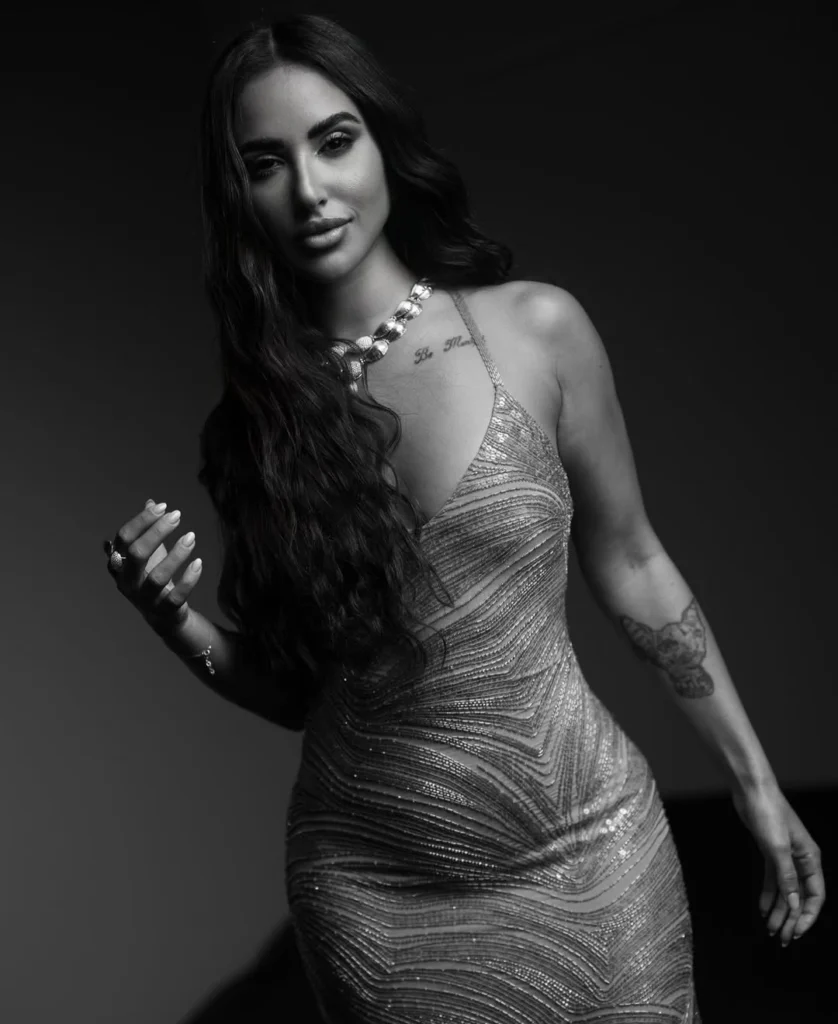
Her connection to the Egyptian artistic establishment is one of both blood and choice. Married into a legendary filmmaking dynasty, she inhabits a world where the conversations at the dinner table likely mirror the complexities of the scripts she reads. However, she has navigated this proximity to greatness with a fierce independence, ensuring that her reputation is built on the merit of her own performances rather than the lustre of her surname.
There is a gritty determination in her work ethic, a sense of a woman who is 24/7 in her devotion to the art of storytelling. She views the entertainment industry not as a playground of vanity but as a vital laboratory for exploring social dynamics and personal vulnerabilities. Beyond the lens, her public persona is one of grounded sophistication. She uses her considerable digital influence to champion a vision of the Egyptian woman that is rooted in heritage yet entirely modern.
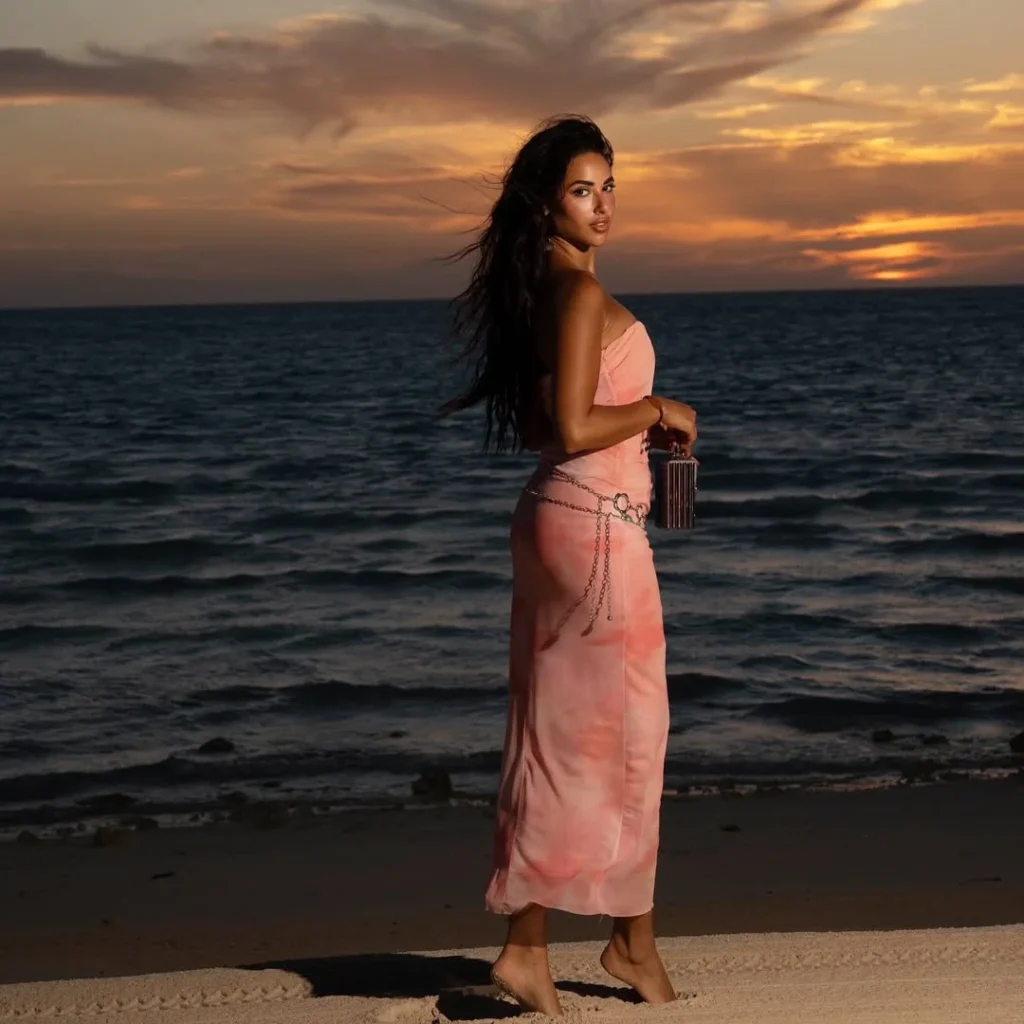
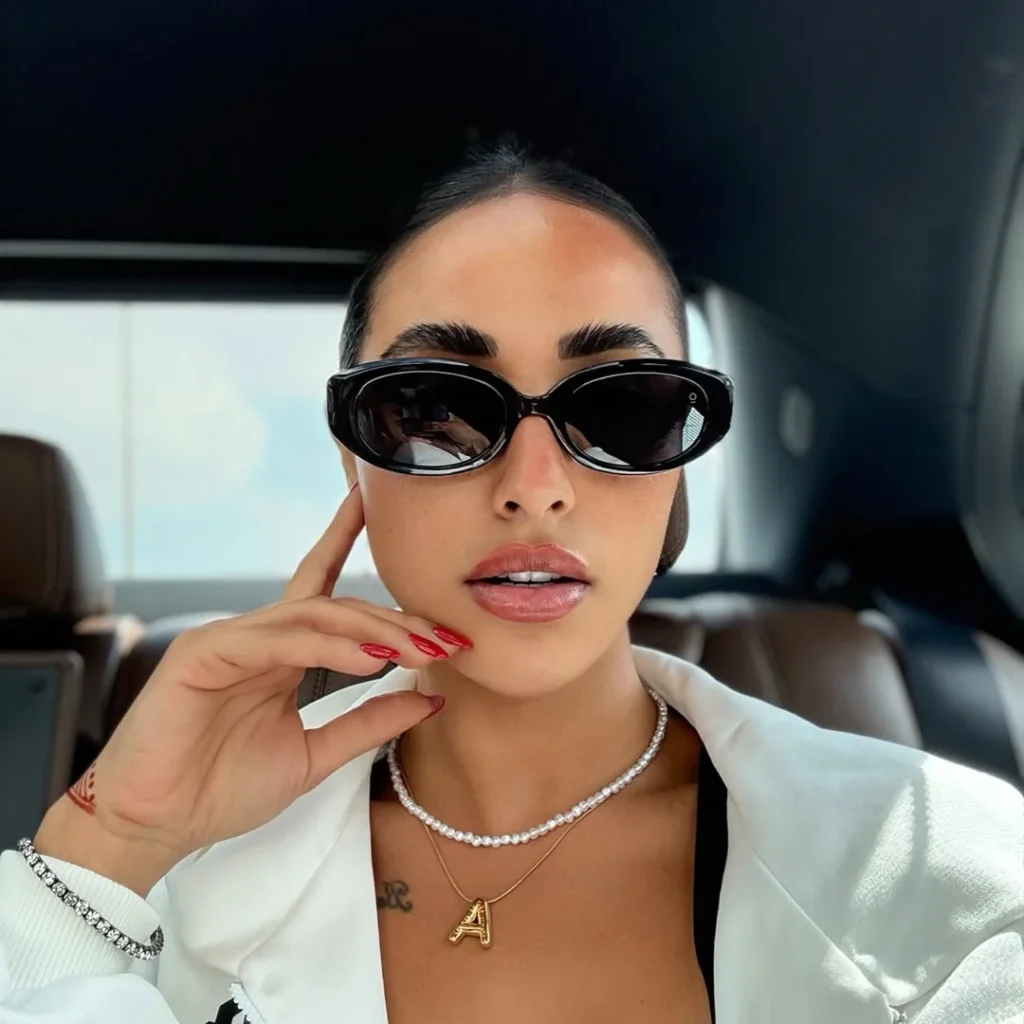
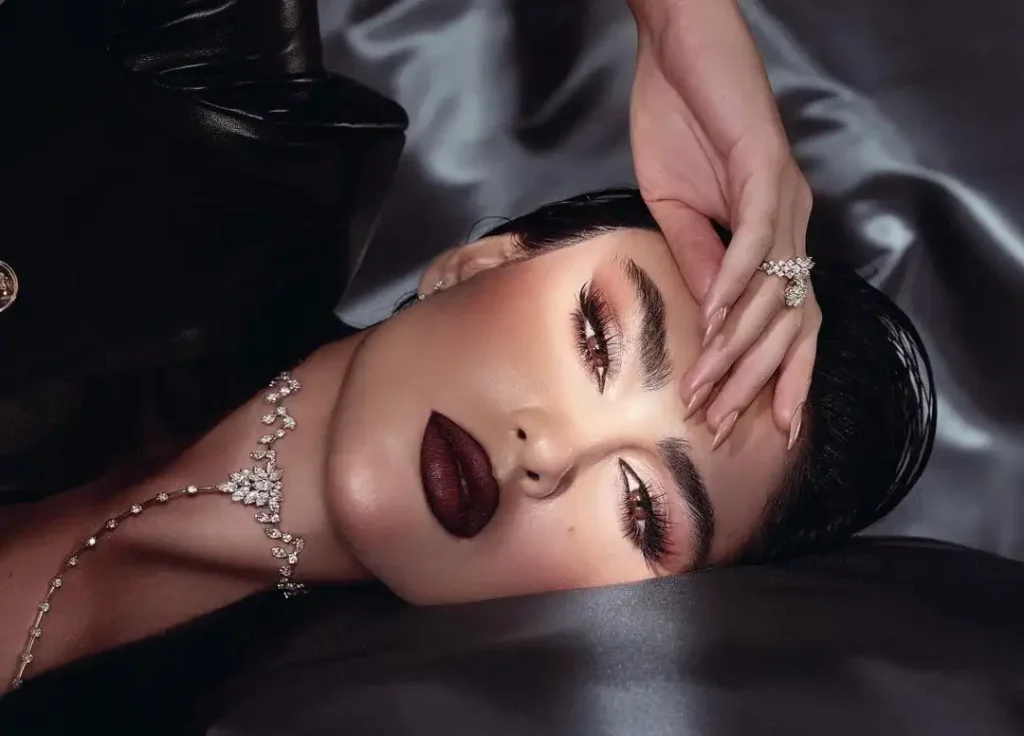
Her presence in fashion and editorial spaces is marked by a refusal to settle for the generic; she carries herself with the poise of someone who knows her own mind and understands the power of visual narrative. Whether she is discussing the importance of literature for personal growth or advocating for the dignity of her peers within the artistic community, there is a consistent pulse of integrity to her actions. She acts as a bridge between the classic elegance of Cairo’s cinematic golden age and the fast-paced, digital-first reality of the twenty-first century.
The metamorphosis of Ayah Samaha is a continuous process. She is an actress who thrives on the challenge of the unknown, frequently stepping into roles that require her to dismantle her own comforts. This bravery has earned her a seat at the table of the region’s most respected performers, making her a vital voice in the ongoing dialogue about what Arab cinema can and should be. She represents a shift toward a more nuanced, character-driven style of performance, where the internal life of the protagonist is as important as the external plot. In her hands, even the most minor role is treated with a level of dignity and detail that elevates the entire production.
As she looks toward a future filled with high-profile film projects and ambitious television narratives, the essence of her appeal remains her unshakeable authenticity. She is a storyteller who understands that the most powerful tool an actor possesses is their own vulnerability. By leaning into the shadows and the light of her characters, she has created a body of work that is as diverse as the city that raised her. She remains a vanguard of the new Egyptian wave, a performer who is as much an intellectual as she is an artist, and whose legacy is being written with every frame she inhabits.