
Arabian Frontrunner The Women Leading the way Pioneers of Change and Progress
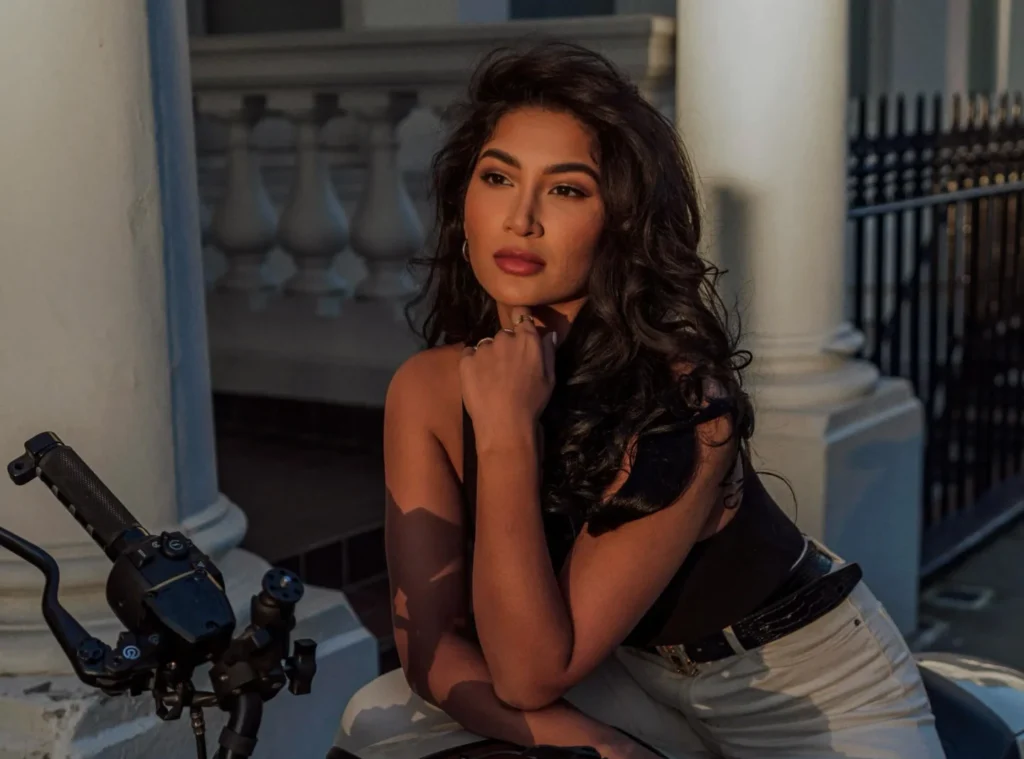
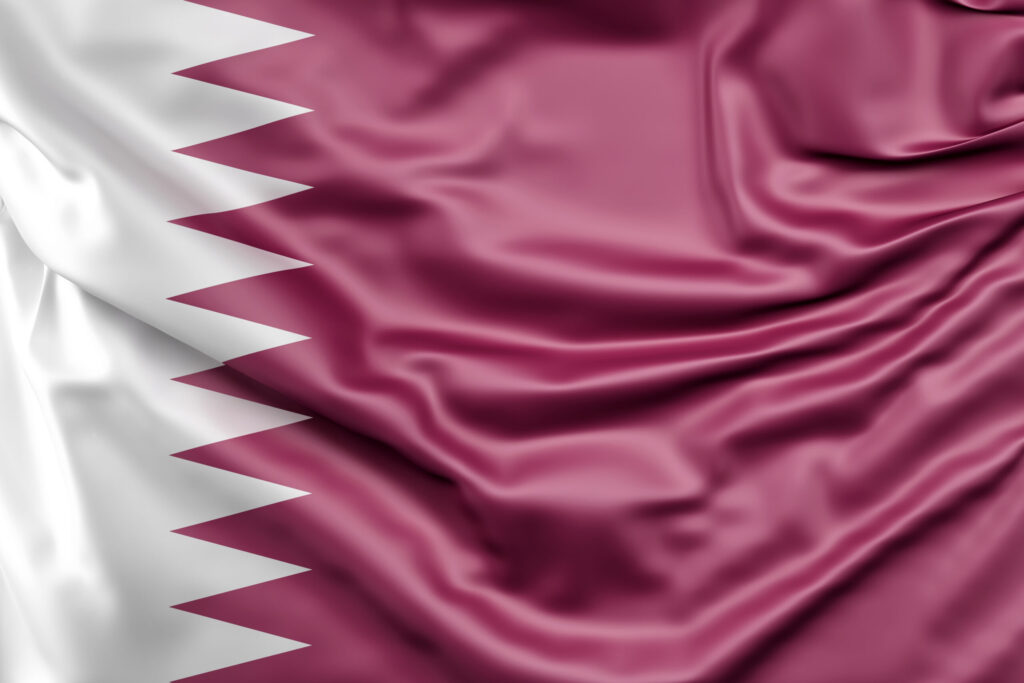
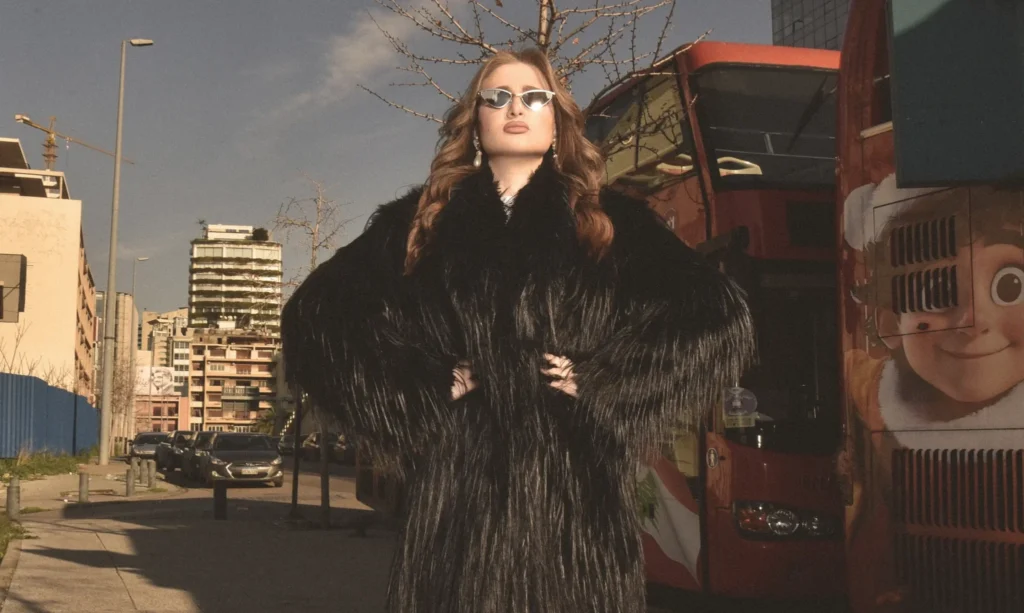
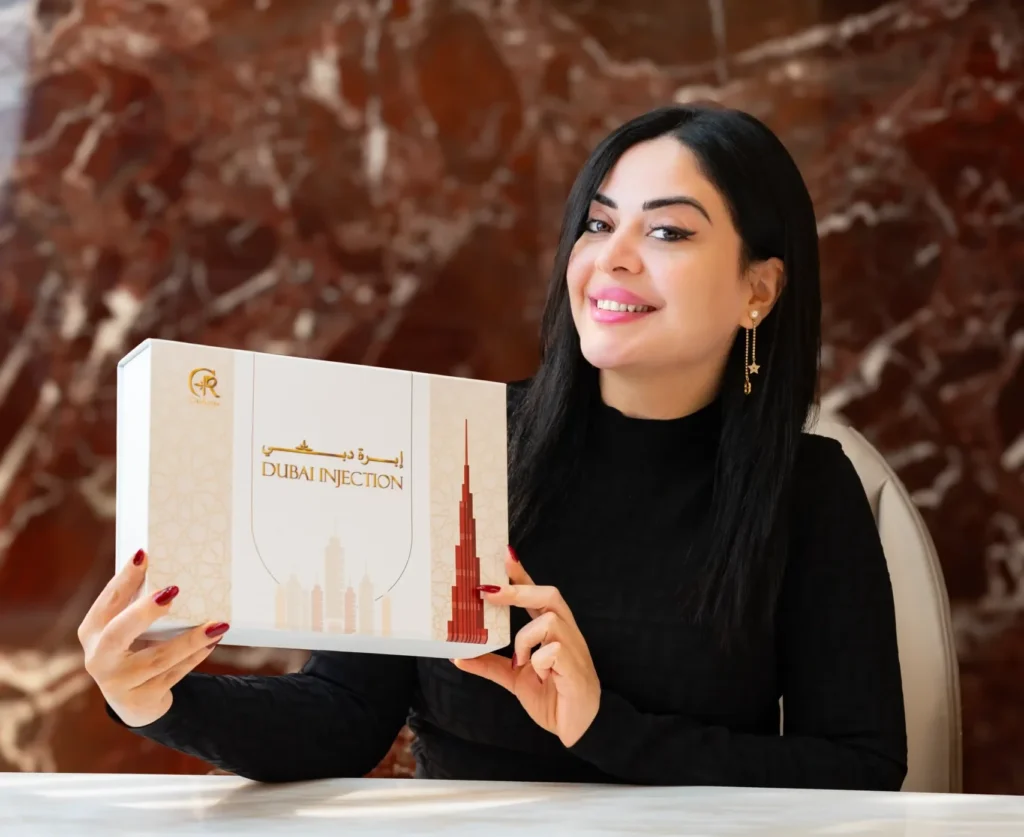
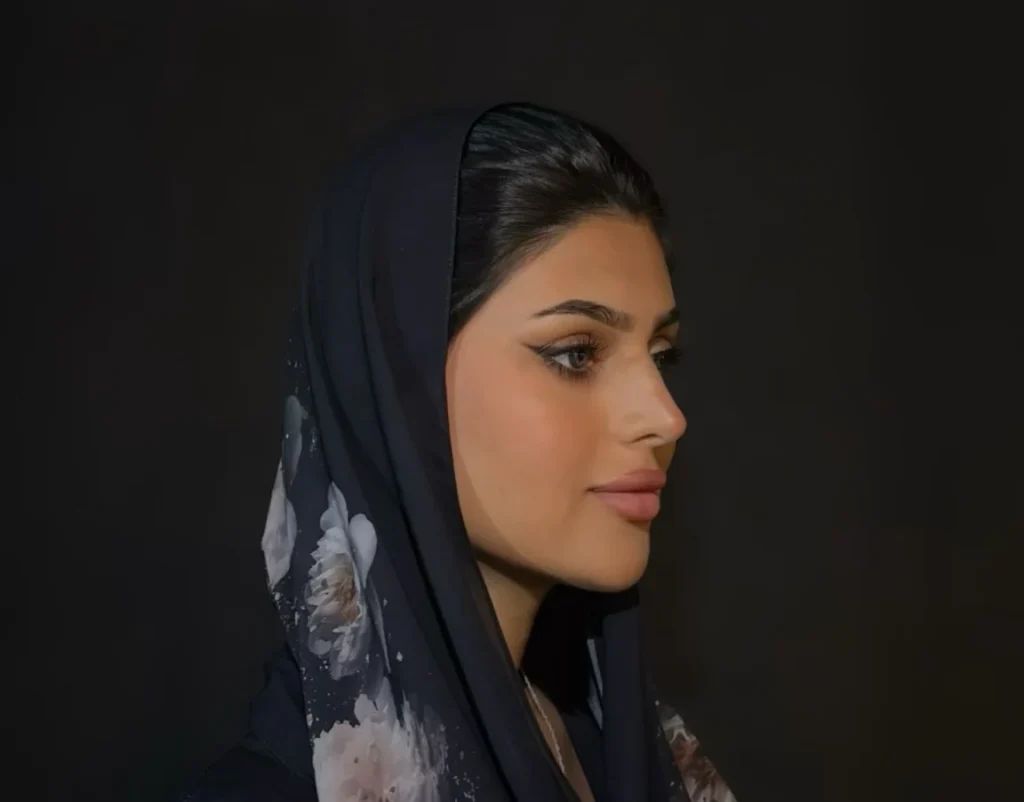
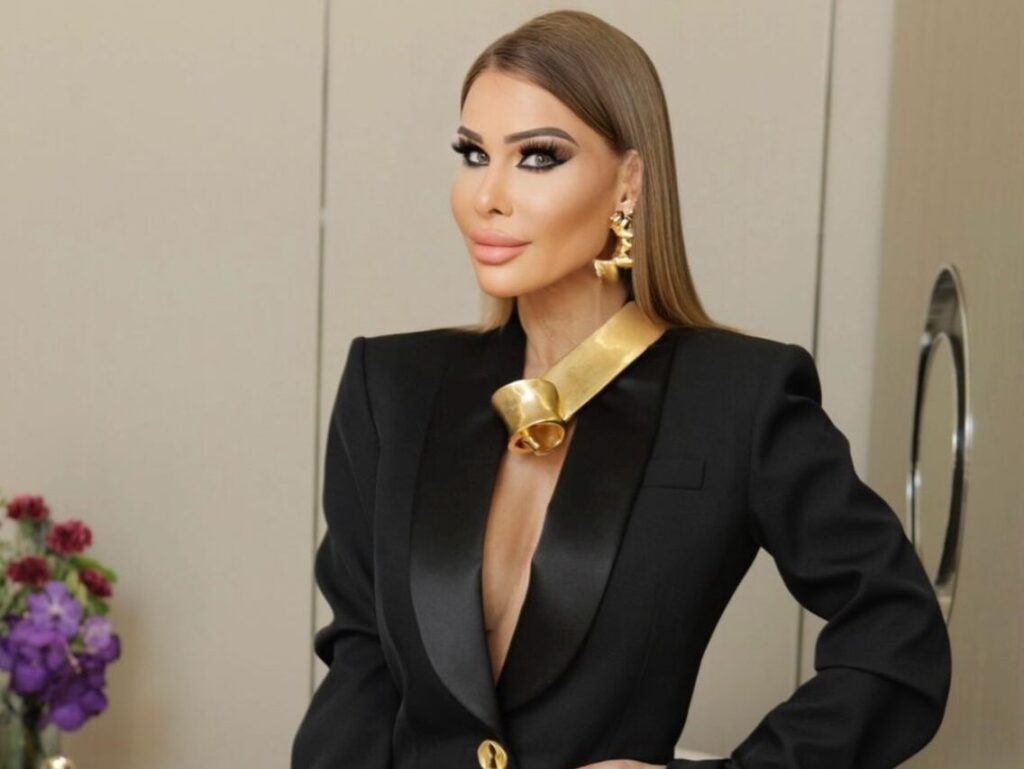
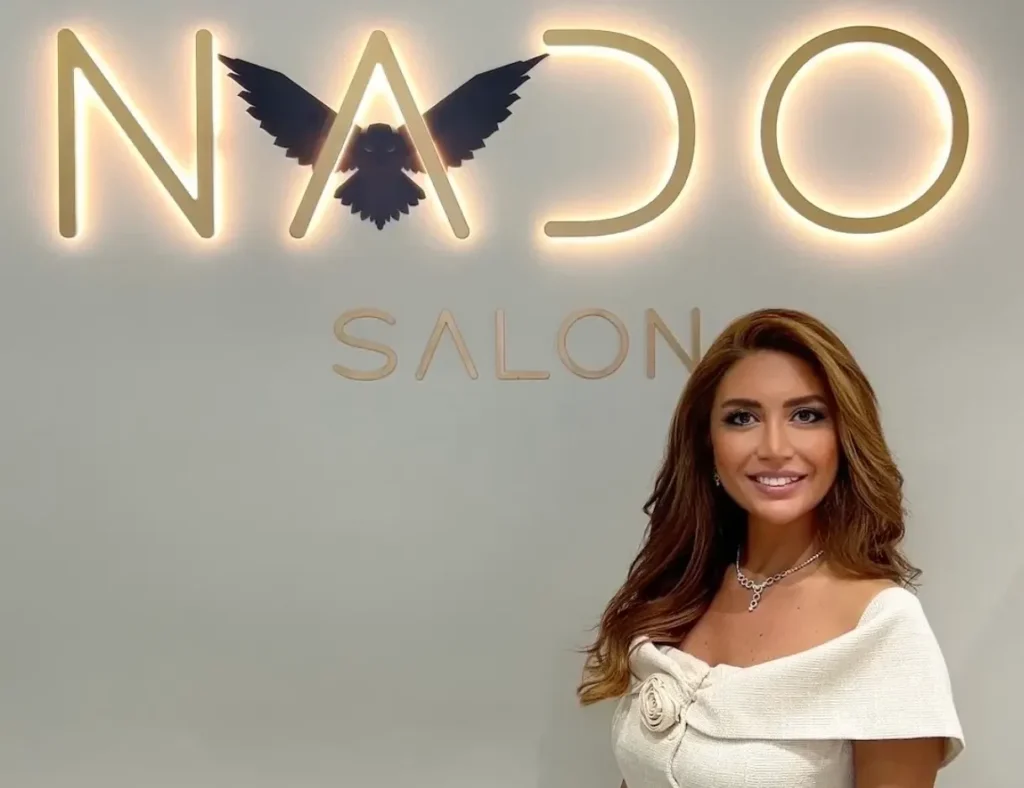
ARABIAN FRONTRUNNER The Women Leading the way Pioneers of Change and Progress By Tania Chehabeddine Women across the Arab world have been making significant strides in various fields, breaking barriers and redefining the limits of possibility. From corporate leadership to sustainable fashion and environmental advocacy, these remarkable women are paving the way for future generations. Their journeys are not just personal triumphs but are emblematic of broader social changes, empowering other women to challenge conventions and carve out their own paths to success. This article highlights the inspiring stories of four such pioneers: Huda Al-Ghoson, Ghada Al Subaey, Leena Al Olaimy, and Wadha Al-Khateeb. History has shown that women leading movements can drive powerful societal transformations. Huda Al Ghoson Saudi ArabiaHuda Al-Ghoson, a formidable leader and a champion of women’s empowerment, made history by becoming the first woman to hold a senior executive position at Saudi Aramco, the world’s fourth-largest oil company by revenue in 2024. With over three decades of experience, she serves as a role model for women across the Arab world, demonstrating the power of resilience and determination in male-dominated industries. Born and raised in Riyadh, Al-Ghoson credits much of her success to her family’s unwavering support, particularly her late mother, Shaha Deghaither, who instilled in her the values of perseverance and ambition. This strong maternal influence shaped her journey, allowing her to inspire the next generation of women to follow in her footsteps. When women leading unite, they create unstoppable networks of support and progress. After earning a Bachelor of Arts degree from King Saud University in 1980, she joined Aramco in 1981, eager to develop her career. By 1986, she had obtained an MBA from the American University in Washington, further enhancing her leadership credentials through executive training from esteemed institutions. In 2009, after years of dedication and overcoming societal barriers, she achieved what many had deemed impossible—securing a senior leadership position as a woman in Saudi Arabia. Recognised for her talent and self-determination, Al-Ghoson has received numerous accolades, including a fourth-place ranking on Forbes’ “200 Most Powerful Arab Women – 2014: Executive Management” list. Despite working in a male-dominated sector, her commitment to advancing women’s opportunities remains steadfast, as she continues to use her story to encourage perseverance, much as her mother once did for her. Women leading in STEM fields are breaking barriers and inspiring future generations. The documentary showcased stories of women leading innovation in technology and science. Ghada Al Subaey Qatar After a brief four-month stint as an accountant, Ghada Al Subaey quickly realised that the traditional office environment was not for her. Instead, she longed for the creativity and storytelling found in fashion, drawing inspiration from her childhood memories spent with her mother. Determined to pursue her passion, she joined forces with her sisters, Hend and Maha Al Subaey, to establish a fashion brand rooted in their Qatari heritage. In 2015, they launched 1309 Studios, named after their mother’s birthdate as a tribute to the inspiration she provided. After three years, her sisters decided to move on, leaving Ghada as the sole founder and Creative Director. Al Subaey’s vision extends beyond aesthetics; she seeks to redefine perceptions of the abaya, elevating it to a globally respected garment akin to the kimono. She is also deeply committed to empowering women, creating a safe space for them to thrive and support one another. Sustainability is a core principle of 1309 Studios. The brand utilises 70% vegan fabrics, including vegan linen and silk, and employs biodegradable, recyclable, and eco-friendly packaging. From entrepreneurship to activism, women leading the way are reshaping industries. In 2022, she launched The Cutting Studio, Qatar’s first fashion education initiative, dedicated to nurturing aspiring designers. Her designs have been embraced by celebrities such as actress Yasmine Sabri and influencer Huda Kattan, cementing her status on the international stage. From the monotonous world of accounting to the dynamic realm of fashion, Ghada Al Subaey continues to make waves, blending tradition with innovation to create a lasting impact. Leena Al Olaimy Bahrain Leena Al Olaimy is a visionary advocate for social change and environmental sustainability. Passionate about achieving peace through non-violent means, she has dedicated her career to tackling pressing social and ecological challenges. In 2010, she co-founded 3BL Associates, an award-winning consultancy advising governments, corporations, and NGOs on sustainable and economically viable strategies. She also co-founded Public-Planet Partnerships, which strengthens human-nature connections, and Diversity On Board, which promotes the inclusion of accomplished Arab and North African women in leadership roles. In January 2022, Al Olaimy launched Symbaiosys, a pioneering initiative that secured the ‘Top Idea Stage Startup’ award at the Entrepreneurship World Cup before even officially opening. The company encourages businesses to invest in environmental conservation while demonstrating the financial benefits of doing so. Policies supporting women leading in politics are essential for true gender equality. Her contributions have earned her international recognition, including being named a Wall Street Journal “Woman of Note” and a Dalai Lama Fellow. She has delivered over 250 talks worldwide and authored the widely acclaimed book Compassionate Counterterrorism: The Power of Inclusion in Fighting Fundamentalism, which challenges misconceptions about Islam and explores alternative solutions to counter-terrorism. Al Olaimy’s relentless pursuit of positive change continues to influence policy, corporate responsibility, and social progress, solidifying her role as a thought leader in sustainability and human rights. Wadha Al Khateeb Kuwait With over 30 years of experience in the oil and gas sector, Wadha Al-Khateeb has played a crucial role in Kuwait’s industrial development. As the former Deputy CEO of Mina Abdullah Refinery, she proved her leadership capabilities before being appointed CEO of Kuwait National Petroleum Company (KNPC) in November 2022, overseeing more than 6,000 employees. Under her guidance, KNPC achieved a significant milestone in 2023 with its first export of 95-octane automotive fuel to European markets. She also serves as acting CEO of Kuwait Integrated Petroleum Industries Company (KIPIC). Al-Khateeb has been a driving force for environmental progress, leading the registration of Kuwait’s first “Flare Gas Recovery Unit” with the United Nations Framework