Magnav MENA

Author name: magnavme.com

Hanady Mehanna, The Silk Glow Beneath Egypt's Rising Romantic Star
Lifestyle, Top Stories

Hanady Mehanna, The Silk Glow Beneath Egypt’s Rising Romantic Star

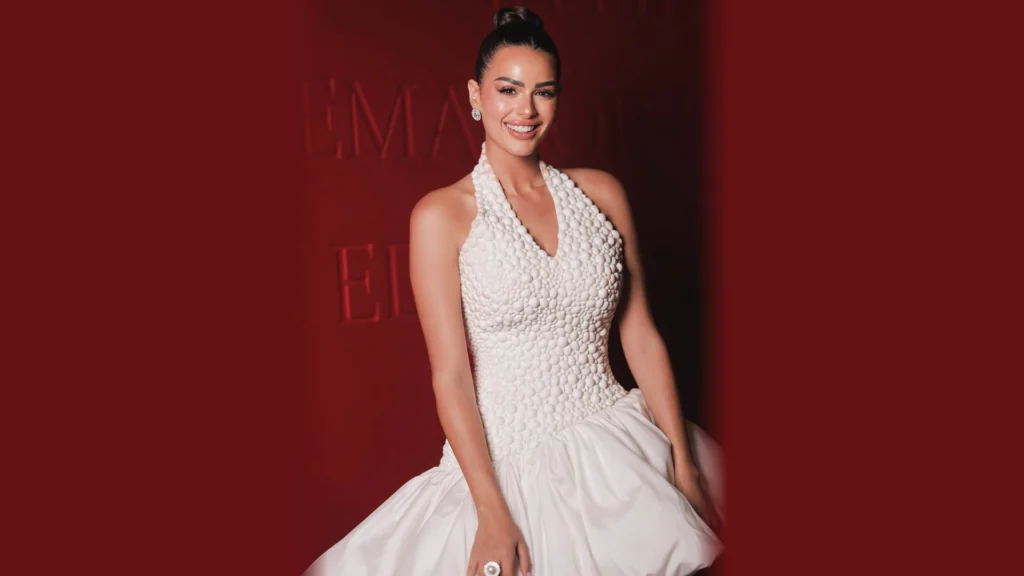
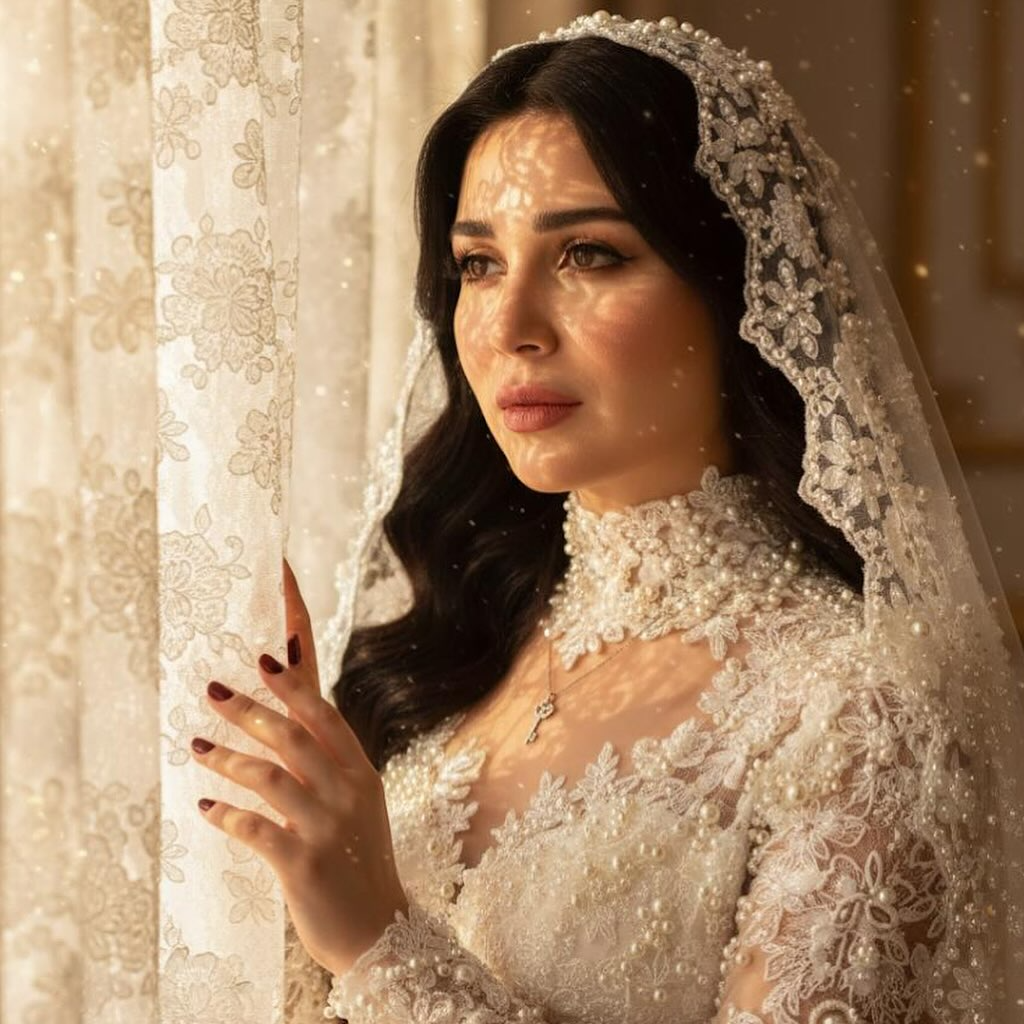
Hanady MehannaThe Silk Glow Beneath Egypt’s Rising Romantic Star By Afef Yousfi Hanady Mehanna carries the kind of presence that feels effortlessly luminous. In a generation of rapidly emerging actresses shaped by social media visibility, intense public scrutiny, and constantly shifting trends, she has distinguished herself through softness rather than spectacle. There is a warmth to Hanady Mehanna that audiences recognise instantly, an emotional gentleness beneath the glamour that allows her to feel both cinematic and deeply approachable at the same time. Since entering Egyptian television and cinema, Hanady has evolved into one of the most recognisable young actresses of her generation, balancing beauty, emotional sincerity, and modern femininity with unusual grace. Yet her appeal extends far beyond appearance alone. Beneath the polished styling, delicate features, and elegant screen presence exists a woman shaped by discipline, artistic heritage, and emotional intelligence. She represents a softer, more emotionally grounded vision of modern Arab stardom. Born into an artistic household, Hanady grew up surrounded by music, performance, and creative expression. As the daughter of celebrated Egyptian composer Hany Mehanna, artistry existed naturally within the rhythm of her upbringing. Yet despite her family background, her relationship with fame never appeared entitled or performative. Instead, she approached the entertainment world with patience and gradual evolution, allowing audiences to discover her through emotional connection rather than manufactured celebrity. Before fully stepping into acting, Hanady studied business administration in Barcelona, an experience that exposed her to different cultures, independence, and a broader understanding of identity beyond entertainment alone. This international influence subtly shaped her public image, giving her a balance between traditional Arab elegance and contemporary softness that feels remarkably natural rather than calculated. Even visually, she carries a distinct aesthetic duality: classic Egyptian femininity softened by European refinement and understated modernity. Her earliest appearances onscreen revealed an actress still discovering her emotional rhythm, yet audiences immediately noticed the sincerity within her performances. Rather than relying upon exaggerated dramatic intensity, Hanady approached characters with tenderness and emotional realism. There was vulnerability in the way she expressed emotion, allowing viewers to connect instinctively with the women she portrayed. That emotional accessibility became one of the defining strengths of her career. Series such as Zelzal, El Fetewa, and Maktoub Alaya demonstrated her growing versatility as an actress. She moved comfortably between romance, drama, and lighthearted storytelling while maintaining the same emotional softness audiences had come to associate with her presence. Even when portraying emotionally conflicted characters, there remained a gentleness beneath the performance that made her deeply watchable. She never performed emotion aggressively. Instead, she allowed it to unfold quietly through expression, silence, and sincerity. What distinguishes Hanady Mehanna most profoundly is the absence of emotional hardness in her public identity. In an entertainment landscape increasingly shaped by calculated personas and excessive performance, she retains an almost old fashioned warmth. Her femininity feels comforting rather than intimidating, elegant without emotional distance. Audiences do not simply admire her beauty. They trust her softness. This relatability became even more apparent through social media, where Hanady cultivated a digital presence rooted in intimacy and emotional openness rather than perfection. While many celebrities construct highly controlled online identities, her content often feels relaxed, affectionate, and emotionally genuine. Whether sharing moments from married life, friendships, family gatherings, or ordinary daily routines, she projects familiarity rather than unattainability. Followers feel they are witnessing fragments of a real woman rather than a carefully managed fantasy. Her marriage to actor Ahmed Khaled Saleh further strengthened this emotional connection with audiences. Together, they quickly became one of Egypt’s most beloved young celebrity couples, largely because their relationship appeared rooted in tenderness and companionship rather than publicity. There is an ease between them that audiences find deeply reassuring, a visible emotional intimacy that feels untouched by performance. In many ways, their relationship embodies the softer romanticism audiences increasingly long for within modern celebrity culture. Beauty and fashion naturally form part of Hanady’s public image, yet her relationship with glamour remains balanced and understated. She carries elegance with softness rather than excess. Whether appearing in couture gowns, minimalist styling, or natural everyday aesthetics, her beauty never overwhelms her humanity. Instead, it feels connected to her emotional energy. There is a calm femininity in the way she presents herself publicly, one that prioritises grace over spectacle. Music also remains quietly woven into her artistic identity. Growing up within a musical household shaped her emotional sensitivity and appreciation for performance beyond acting alone. Even when not actively pursuing music professionally, there is a lyrical softness in her screen presence, a rhythm to her expressions and emotional pacing that reflects artistic instinct inherited through environment as much as training. As her career continues evolving, Hanady Mehanna increasingly represents the changing face of contemporary Egyptian femininity within entertainment. She embodies glamour without aggression, beauty without artificiality, and modernity without emotional detachment. Younger audiences connect with her because she feels emotionally recognisable. Older audiences appreciate the elegance and sincerity she carries into fame. She exists comfortably between generations, preserving softness within an era increasingly dominated by noise. There is also a visible emotional maturity developing within her public identity over time. Fame arrived relatively quickly, yet she navigates visibility with composure and restraint rather than overexposure. She rarely appears consumed by celebrity culture itself. Instead, she seems focused on preserving emotional stability, relationships, and personal grounding alongside artistic ambition. This balance gives her presence unusual longevity within an industry often shaped by burnout and constant reinvention. What ultimately makes Hanady Mehanna memorable is not simply her beauty, talent, or rising success. It is the emotional atmosphere surrounding her. She reminds audiences of tenderness. Of elegance without coldness. Of femininity untouched by performance fatigue. In a digital world increasingly saturated by artificial perfection and emotional detachment, Hanady continues to feel refreshingly human. As Egyptian cinema and television continue evolving through new generations, streaming culture, and shifting audience expectations, Hanady Mehanna stands as one of its most emotionally resonant young stars. She carries within her a rare combination of

Hannah El Zahed, The Glow Between Stardom & Stillness
Lifestyle, Top Stories

Hannah El Zahed, The Glow Between Stardom & Stillness

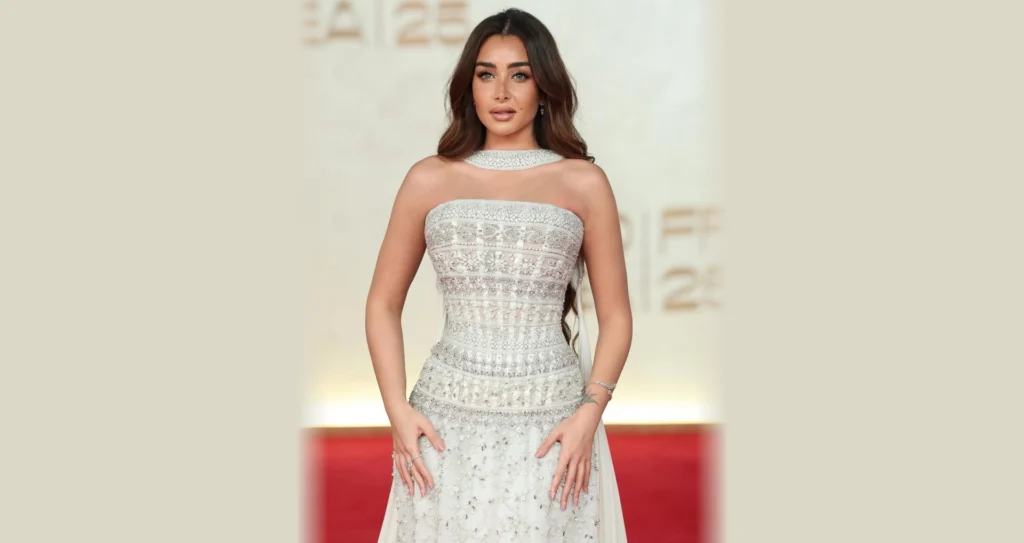
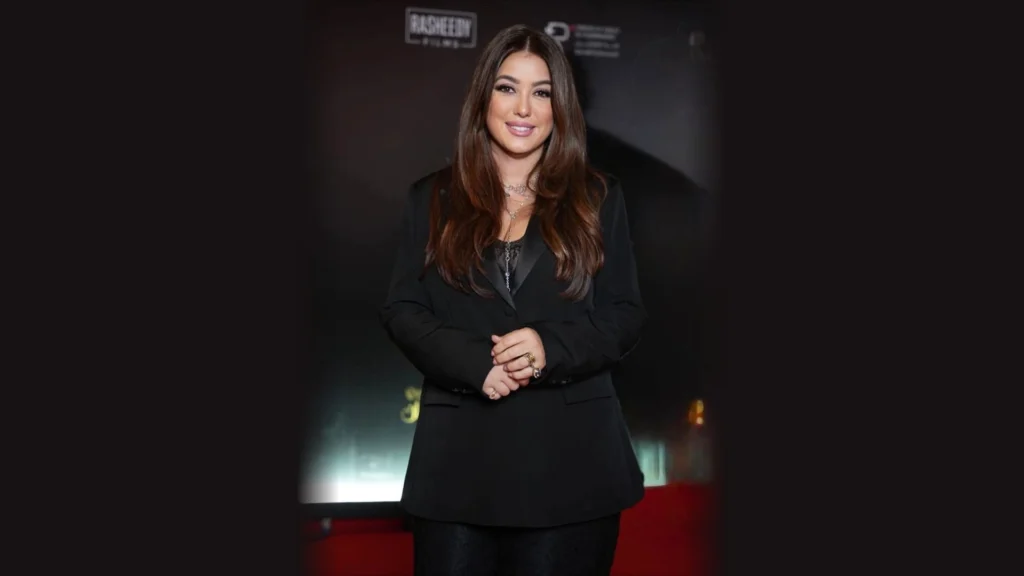
Hannah El ZahedThe Glow Between Stardom & Stillness By Jane Stevens Hannah El-Zahed has mastered something increasingly rare within modern celebrity culture: the ability to remain luminous without appearing untouchable. In an entertainment landscape fuelled by constant exposure, fast moving trends, and carefully manufactured personas, the Egyptian actress carries herself with a softness that feels instinctive rather than strategic. Her presence, both onscreen and online, is built not simply on glamour but on emotional familiarity, the sense that beneath the polished imagery exists someone deeply connected to the realities of ambition, vulnerability, reinvention, and growth. Born in Cairo in 1994, El Zahed entered the entertainment industry at an early age before gradually evolving into one of the Arab world’s most recognisable contemporary actresses. Her career began with small appearances that eventually led to larger television and cinematic roles, allowing audiences to witness her transformation from promising newcomer into leading star. Over the years, she became associated with productions that blended comedy, romance, and emotional storytelling, building a fan base that extended well beyond Egypt itself. Yet what continues to distinguish El Zahed is not merely professional success, but the emotional accessibility she brings to fame. Despite commanding millions of followers across social media platforms, she rarely presents herself as distant or unreachable. Her digital presence feels reflective of the same warmth audiences encounter in her performances, playful at times, elegant at others, but consistently human. Whether posting candid moments from travels abroad or appearing in high fashion editorial imagery, she maintains an atmosphere of ease that allows admirers to feel emotionally connected rather than simply visually impressed. Social media, for El Zahed, has become more than a promotional tool; it is an extension of her evolving identity. Her Instagram account, followed by millions of people across the Arab world and beyond, reflects a carefully balanced mixture of glamour, spontaneity, fashion, and understated intimacy. Rather than relying solely on highly stylised celebrity imagery, she frequently shares moments that reveal humour, softness, and emotional openness. This balance between aspiration and relatability has helped solidify her influence not only as an actress but as a modern cultural figure whose appeal transcends television screens. There is also an undeniable visual intelligence behind the way El Zahed presents herself publicly. Her aesthetic choices, whether in fashion, beauty, or photography, often communicate femininity in a way that feels contemporary without losing timeless elegance. She gravitates towards looks that enhance rather than overpower her natural features, frequently embracing delicate makeup, luminous textures, and silhouettes that convey confidence through simplicity. She has repeatedly been recognised for her ability to move effortlessly between understated beauty and high impact glamour, reinforcing her reputation as both a style inspiration and screen presence. What makes this particularly compelling is the emotional dimension beneath the visuals. El Zahed’s appeal is not rooted solely in appearance, but in the feeling her presence evokes. Audiences often respond to her because she embodies a blend of ambition and sensitivity rarely sustained in celebrity culture for long periods. There is a sincerity in the way she communicates through interviews, performances, and even casual online interactions that prevents her image from becoming overly manufactured. In many ways, she represents a generation of Middle Eastern actresses redefining stardom through emotional transparency rather than unattainable perfection. Her acting career itself reflects this evolution. After initially stepping away from the entertainment world for a period during her youth, El Zahed returned with renewed focus, gradually establishing herself through television dramas and cinematic projects that showcased her range. Productions such as Fel La La Land, El Wad Sayed El Shahat, and Helwa El Donia Sokar contributed significantly to her growing popularity, while film appearances expanded her presence within the wider Arab entertainment industry. Rather than remaining confined to a single genre, she moved comfortably between romantic narratives, comedy, and emotionally driven roles, allowing audiences to connect with different dimensions of her personality. This versatility has become central to her enduring popularity. El Zahed understands how to evolve without losing the recognisable qualities that audiences initially connected with. Even as her projects become more ambitious and her public profile grows internationally, she continues to preserve a sense of emotional softness that feels remarkably intact. This is perhaps why viewers often describe her less as a conventional celebrity and more as someone whose journey they have emotionally followed over time. Her connection with audiences is further strengthened by the openness with which she navigates personal and professional transitions. Public attention surrounding her life has at times intensified, particularly during highly visible moments related to relationships, marriage, and separation. Yet El Zahed has consistently resisted turning personal experiences into spectacle. Instead, she carries herself with restraint and dignity, allowing her work and public presence to speak more loudly than controversy ever could. That composure has only strengthened public admiration, positioning her as someone capable of maintaining grace under extraordinary scrutiny. Creatively, El Zahed appears increasingly interested in growth rather than repetition. Recent public appearances and social media glimpses hint towards new artistic directions and larger projects beyond the familiar frameworks that initially established her fame. Whether appearing in European settings, collaborating on upcoming films, or subtly reshaping her public image, she seems aware that longevity within entertainment requires evolution. Yet unlike many public figures who radically reinvent themselves to remain relevant, El Zahed’s transformation feels gradual and organic, more refinement than reinvention. Fashion also plays an important role in how she communicates this evolution. Her style increasingly blends youthful femininity with polished sophistication, often embracing soft palettes, modern tailoring, and elegant silhouettes that mirror her personal growth. She understands the power of visual storytelling, using clothing not merely as decoration but as an extension of mood and identity. Whether photographed casually abroad or attending high profile industry events, she consistently projects a sense of calm confidence rather than performative extravagance. Still, perhaps the most compelling aspect of Hannah El-Zahed’s public identity is her ability to preserve emotional warmth within an industry often defined by distance. Fame frequently creates

Ahmed Helmy, The Quiet Gravity Beneath Egypt's Most Beloved Smile
Lifestyle

Ahmed Helmy, The Quiet Gravity Beneath Egypt’s Most Beloved Smile

Ahmed HelmyThe Quiet Gravity Beneath Egypt’s Most Beloved Smile By Ami Pandey Ahmed Helmy occupies a rare position within Arab entertainment, one that transcends celebrity entirely. For more than two decades, he has remained not only one of Egypt’s most successful actors, but one of its most emotionally trusted public figures. In an industry often shaped by spectacle, vanity, and carefully constructed personas, Helmy built his legacy through something deceptively simple: humanity. Audiences do not merely admire him for his humour, talent, or cinematic success. They feel emotionally safe with him. His presence carries warmth, intelligence, gentleness, and an unmistakable sincerity that has allowed him to endure across generations without ever feeling outdated. There is a profound softness beneath Ahmed Helmy’s comedy, and perhaps that is precisely why it resonates so deeply. Unlike performers who rely upon loudness or theatrical exaggeration, Helmy mastered a quieter emotional rhythm. His humour emerges through observation, vulnerability, awkwardness, and emotional honesty. He does not perform as though he exists above ordinary people. Instead, he reflects them back to themselves with tenderness and wit, allowing audiences to recognise fragments of their own insecurities, dreams, frustrations, and absurdities within his characters. Born in Banha before spending part of his childhood in Saudi Arabia, Helmy eventually returned to Egypt carrying the experiences of movement, adaptation, and observation that would later shape much of his emotional intelligence as a performer. Long before cinema transformed him into a household name, he studied at the Higher Institute of Dramatic Arts in Cairo and worked initially in television presentation. Even during those early years, there was something strikingly different about his presence. He possessed charisma without arrogance, humour without cruelty, and confidence without emotional distance. His transition into acting felt almost inevitable. Yet unlike many stars whose early success depends heavily upon image or trend, Ahmed Helmy’s appeal developed through relatability. Audiences saw in him not an untouchable leading man, but a deeply recognisable human being navigating life with humour and emotional vulnerability. This relatability became the emotional foundation of his career. Films such as Aboud Ala El Hedoud, El Nاظر, Keda Reda, and Asal Eswed transformed him into one of the defining cinematic figures of modern Egyptian comedy. Yet even within commercial success, Helmy consistently brought emotional depth into his performances. His characters often carried quiet loneliness beneath humour, emotional confusion beneath sarcasm, or longing beneath absurdity. He understood instinctively that the most powerful comedy often emerges from pain, vulnerability, and emotional truth rather than performance alone. Perhaps what makes Ahmed Helmy so enduring is his extraordinary understanding of emotional balance. He can make audiences laugh without humiliating anyone. He can create satire without bitterness. He can portray weakness without losing dignity. In a cultural landscape where comedy sometimes depends upon mockery or excess, Helmy’s humour remains profoundly human. There is kindness within it. This emotional intelligence extends far beyond cinema itself. Throughout his career, Helmy cultivated a public image rooted in humility and emotional authenticity rather than celebrity spectacle. Despite immense fame across the Arab world, he never appeared consumed by the machinery of stardom. Interviews, public appearances, and social media interactions all reveal the same grounded personality audiences encountered onscreen. He speaks thoughtfully, often with introspection and emotional nuance, carrying himself with the quiet confidence of someone entirely comfortable within his identity. His marriage to actress Mona Zaki further reinforced this public perception of emotional sincerity. Together, they became one of the Arab world’s most admired couples, not because they projected perfection, but because their relationship appeared rooted in mutual respect, humour, and emotional companionship. In a celebrity culture frequently dominated by performance and publicity, their partnership felt remarkably genuine. Audiences saw not a glamorous façade, but two people navigating life, parenthood, success, and vulnerability together. Fatherhood, too, reshaped Helmy’s emotional landscape in visible ways. Over time, his public persona evolved from youthful comedic star into something softer, more reflective, and emotionally layered. Conversations surrounding his children, family life, and personal experiences revealed a man deeply connected to emotional responsibility and tenderness. Fame never erased his sense of intimacy with ordinary life. Beyond entertainment, Ahmed Helmy also became increasingly associated with humanitarian work and social advocacy. His involvement with organisations supporting children and health initiatives reflected another important dimension of his identity: empathy. Unlike performative activism often designed for visibility, Helmy’s charitable involvement felt aligned naturally with the emotional values audiences already associated with him. Compassion, sincerity, and social awareness were not additions to his public image. They were extensions of who he already appeared to be. There is also a striking intellectual sensitivity beneath his humour that often goes unnoticed. Many of his films carry subtle social commentary beneath their comedic surfaces, exploring class, alienation, masculinity, bureaucracy, migration, and emotional disconnection within modern Egyptian society. Helmy understands comedy not merely as entertainment, but as a mirror reflecting human contradiction. Even at his most absurd, there remains emotional and cultural observation beneath the laughter. As Egyptian cinema evolved through changing generations, streaming platforms, and shifting audience expectations, Ahmed Helmy managed something remarkably difficult: remaining culturally relevant without desperately chasing reinvention. Younger audiences continue embracing him because his emotional authenticity feels timeless. Older generations remain attached to him because he represents continuity, familiarity, and emotional comfort within Arab popular culture. Social media only amplified this connection. Unlike celebrities who curate distant perfection online, Helmy’s digital presence often reflects humour, warmth, spontaneity, and humanity. Audiences encounter not simply a star, but a man capable of self reflection, playfulness, affection, and vulnerability. This emotional accessibility has become increasingly rare within modern fame. Even physically, Ahmed Helmy represents a different kind of masculinity within Arab entertainment. His appeal never depended upon hyper masculinity, intimidation, or exaggerated bravado. Instead, he built attraction through emotional intelligence, wit, gentleness, and presence. He made kindness charismatic. He made emotional openness masculine. In many ways, this subtle redefinition of masculinity became one of his most important cultural contributions. Over the years, audiences have watched him navigate

Ayten Amer, The Ember Glow Beneath Egypt's Modern Screen Siren
Lifestyle

Ayten Amer, The Ember Glow Beneath Egypt’s Modern Screen Siren

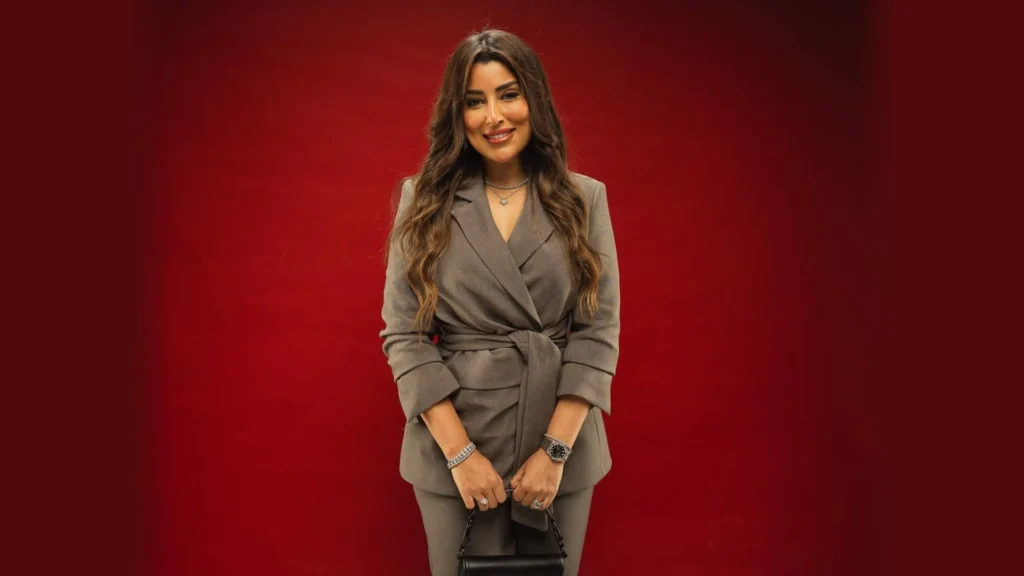
Ayten AmerThe Ember Glow Beneath Egypt’s Modern Screen Siren By Peter Davis Ayten Amer moves through Egyptian entertainment with a presence that feels both luminous and grounded, balancing cinematic glamour with emotional familiarity in a way few actresses manage effortlessly. In an industry shaped by constant reinvention and visual spectacle, she has cultivated a career defined not merely by beauty, but by adaptability, resilience, and quiet charisma. Whether appearing in drama, comedy, television serials, or digital culture, Ayten possesses the rare ability to feel simultaneously glamorous and emotionally accessible, a balance that has made her one of the most recognisable faces of contemporary Arab entertainment. Born in Alexandria before moving to Cairo as a child, Ayten’s relationship with performance developed gradually through both discipline and instinct. She studied acting and directing professionally, eventually working as a model before fully stepping into the world of television and cinema. Modelling, she has acknowledged, helped her overcome an early fear of the camera, teaching her how to exist confidently within the gaze of public attention long before acting transformed her life entirely. What makes Ayten Amer particularly compelling is her refusal to remain confined within a singular image. Throughout her career, she has navigated effortlessly between emotionally heavy dramas, lighthearted comedy, commercial cinema, and socially resonant television series. Unlike performers who rely upon repetition, Ayten approaches every role with a willingness to shift emotionally and aesthetically, allowing audiences to encounter a different dimension of her personality with each performance. This fluidity has given her remarkable longevity within an entertainment landscape that often consumes and replaces women quickly. There is also a quiet determination beneath her elegance. Coming from a family already associated with the entertainment industry through her sister, actress Wafaa Amer, Ayten could easily have existed within comparison or expectation. Instead, she carved out an entirely separate identity for herself, one built upon consistency, emotional relatability, and personal evolution rather than inherited recognition. Audiences responded not because she belonged to an artistic family, but because she brought an unmistakable individuality into every role she inhabited. Beauty has naturally accompanied her career, yet Ayten’s appeal has never relied solely upon aesthetics. Her screen presence is shaped as much by emotional warmth and confidence as by physical glamour. There is a softness in the way she speaks and carries herself publicly that contrasts beautifully with the strength she often projects onscreen. This duality has become central to her identity within Egyptian popular culture. She embodies femininity without fragility, glamour without emotional distance. Over the years, Ayten has also become deeply associated with the modern evolution of Arab television drama. Productions such as El Ahd, Bein Al Sarayat, and Ayoub revealed her capacity to move beyond decorative roles into emotionally layered performances that resonated strongly with audiences across the region. She approaches drama with sincerity rather than theatrical excess, allowing emotion to emerge naturally through expression, silence, and vulnerability. Comedy, however, remains one of her most understated strengths. Unlike exaggerated comedic performers, Ayten possesses a more instinctive and emotionally grounded sense of humour. Her comedic timing feels conversational rather than performative, allowing her characters to remain believable even within highly stylised narratives. This versatility between drama and comedy has given her unusual range within Egyptian entertainment, allowing her career to evolve continuously rather than becoming creatively static. Beyond performance itself, Ayten Amer also reflects the shifting identity of modern Arab femininity within media. She exists comfortably between traditional elegance and contemporary confidence, maintaining a distinctly Arab identity while embracing the changing visual language of global entertainment culture. Her beauty feels recognisably regional yet universally resonant, rooted in softness, dark glamour, and emotional intelligence rather than excessive artificiality. Social media has amplified this connection further. With millions following her online presence, Ayten has become more than an actress alone. She represents a lifestyle aesthetic built upon femininity, beauty, motherhood, fashion, and emotional openness. Yet unlike many celebrities whose online personas feel carefully manufactured, her presence retains a sense of familiarity and warmth. Audiences feel they are witnessing fragments of a real woman navigating life publicly rather than a distant celebrity performing perfection. Motherhood and personal transformation have also added new emotional depth to her public image over time. As her career matured, audiences witnessed a softer and more reflective dimension of her personality emerge beyond glamorous appearances and dramatic performances. She began embodying not only modern beauty, but emotional resilience, balancing public life with motherhood, personal change, and artistic continuity. What ultimately separates Ayten Amer from many contemporary actresses is her emotional recognisability. Audiences do not simply admire her visually. They understand her presence instinctively. There is something deeply familiar in the way she carries glamour, something that never feels intimidating or emotionally distant. Even at her most polished, she remains relatable. In a digital era increasingly consumed by exaggerated performance and fleeting attention, Ayten Amer continues to represent a more enduring form of femininity. One shaped not only by beauty, but by adaptability, sincerity, emotional intelligence, and the quiet confidence of a woman entirely comfortable within her own evolution.

Donia Samir Ghanem, The Laughter Draped in Moonlit Melancholy
Lifestyle

Donia Samir Ghanem, The Laughter Draped in Moonlit Melancholy

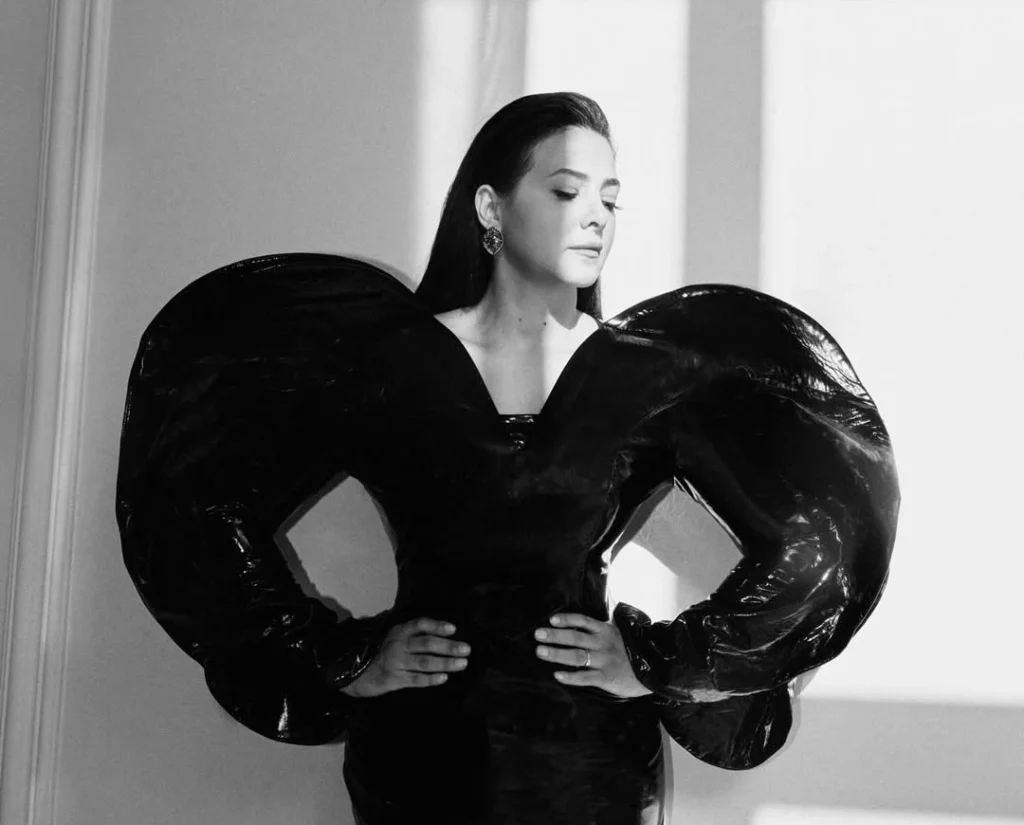
Donia Samir GhanemThe Laughter Draped in Moonlit Melancholy By Tia Holder Donia Samir Ghanem possesses a rarity that cannot be rehearsed. In a world where celebrity often depends upon noise, excess, and relentless self promotion, she remains unforgettable through warmth alone. Across Egyptian cinema, television, music, and comedy, she has built a career defined not merely by talent, but by emotional sincerity. Audiences do not simply watch Donia Samir Ghanem perform. They feel comforted by her presence, drawn towards the softness, humour, and humanity that exist beneath every role she inhabits. Born into one of Egypt’s most beloved artistic families, she grew up surrounded by performance, storytelling, and comedy. As the daughter of legendary comedian Samir Ghanem and celebrated actress Dalal Abdel Aziz, entertainment existed naturally within the rhythm of her life. Yet despite inheriting an extraordinary artistic legacy, Donia never relied upon family fame alone. From an early age, she developed her own identity through versatility, quietly proving herself capable of comedy, drama, singing, mimicry, and emotional performance with equal ease. What distinguishes Donia Samir Ghanem most profoundly is her emotional elasticity as a performer. Few actresses move so seamlessly between humour and vulnerability. One moment she delivers comedy with childlike spontaneity, the next she reveals an emotional depth that feels disarmingly intimate. This ability has allowed her to become one of the defining faces of modern Egyptian entertainment, not because she conforms to a singular image, but because she continuously reinvents emotional tone without losing the familiarity audiences cherish in her. Comedy, however, has always remained central to her artistic identity. Raised within a household shaped by legendary comedic timing and theatrical brilliance, she developed an instinctive understanding of humour that feels effortless rather than performative. Yet unlike traditional comedians who distance themselves emotionally behind jokes, Donia’s humour often carries tenderness beneath it. Even in her most playful roles, there remains something emotionally recognisable and human. Her performances invite laughter without ever losing warmth. Throughout her career, she has consistently resisted being confined to one genre or artistic category. Whether starring in romantic comedies, musical productions, fantasy narratives, or emotionally layered television dramas, she approaches each role with curiosity and adaptability. Her collaborations within Egyptian cinema established some of the most memorable comedic projects of recent decades, while productions such as Nelly w Sherihan revealed her remarkable ability to merge musicality, comedy, and emotional storytelling into one cohesive performance style. here is also an unmistakable musicality within everything she does. Beyond acting, Donia possesses a natural vocal presence that has become deeply associated with her public image. Her singing carries the same emotional softness found in her performances, playful at times, nostalgic at others, yet always sincere. Even her talent for mimicry and vocal imitation reflects her extraordinary emotional sensitivity as an artist, her ability to understand not simply how someone sounds, but how they feel. Despite her immense popularity, Donia Samir Ghanem has always maintained an unusual humility in public life. Unlike many celebrities shaped by glamour and distance, she carries an almost familial familiarity with audiences across the Arab world. There is a gentleness to the way she speaks, laughs, and presents herself publicly that makes her feel emotionally accessible rather than untouchable. Even at the height of fame, she retained a groundedness and softness that audiences found deeply endearing. This emotional connection with audiences became even more profound following the devastating loss of both her parents within a short period. The deaths of Samir Ghanem and Dalal Abdel Aziz left an enormous emotional void not only within Egyptian entertainment, but within Donia’s personal world. Yet through grief, audiences witnessed another dimension of her character: resilience shaped by love and memory rather than spectacle. Rather than transforming personal sorrow into public performance, she carried it with dignity and quiet vulnerability, allowing people to grieve alongside her without ever exploiting the loss itself. Motherhood has also reshaped her emotional landscape in visible ways. Away from cameras and productions, she speaks about family life with tenderness and sincerity, treating motherhood not as a carefully curated image, but as something grounding and transformative. It softened her priorities, deepened her emotional perspective, and reinforced the importance of protecting intimacy within a life lived so publicly. Beauty and glamour have naturally accompanied her career, yet they have never become the centre of her identity. Donia Samir Ghanem represents a different form of femininity within celebrity culture, one that embraces humour, spontaneity, awkwardness, intelligence, and emotional honesty alongside elegance. Her beauty feels inseparable from personality itself. Audiences remember her expressions, her laughter, her warmth, and the emotional atmosphere she creates just as much as they remember any glamorous appearance. What continues to make her so beloved across generations is the feeling she leaves behind. In an entertainment industry increasingly shaped by calculation and perfection, Donia still feels emotionally genuine. She carries the nostalgia of classic Arab cinema while remaining entirely relevant to modern audiences, bridging generations through sincerity rather than reinvention. In the end, Donia Samir Ghanem’s greatest artistry may not lie solely in her performances, songs, or comedic brilliance. It lies in her ability to make audiences feel lighter, softer, and emotionally understood in a world that often forgets the value of gentleness. . Ut elit tellus, luctus nec ullamcorper mattis, pulvinar dapibus leo.

Mai Ezz Eldin, The Rosefire Silence Beneath Egyptian Stardom
Lifestyle

Mai Ezz Eldin, The Rosefire Silence Beneath Egyptian Stardom

Mai Ezz EldinThe Rosefire Silence Beneath Egyptian Stardom By Afef Yousfi Mai Ezz Eldin has long occupied a singular space within Egyptian cinema and television, one where glamour coexists effortlessly with emotional vulnerability. Across decades of performances, she has become far more than a familiar face onscreen. She represents a form of femininity deeply woven into modern Arab popular culture, balancing softness, wit, melancholy, and resilience with remarkable naturalness. In an industry often driven by spectacle and reinvention, Mai’s enduring appeal lies in something quieter and far more difficult to imitate: emotional sincerity. From the beginning of her career, there was an unmistakable warmth in her presence that separated her from many of her contemporaries. Audiences connected with her not simply because of her beauty, but because she carried an emotional familiarity that felt deeply human. Whether appearing in romantic dramas, comedies, or emotionally complex television series, Mai possessed the rare ability to make every character feel emotionally accessible. She never performed from a distance. Instead, she allowed vulnerability to exist openly within her work, creating a sense of intimacy between herself and viewers that endured far beyond individual productions. Born in Abu Dhabi before eventually building her career in Egypt, Mai entered the entertainment world at a young age, quickly attracting attention for both her screen presence and emotional expressiveness. Yet unlike many actresses whose careers become trapped within carefully constructed archetypes, she continuously evolved across genres and emotional tones. She moved seamlessly between lighthearted romance and deeply dramatic narratives, proving herself capable of carrying both cinematic glamour and emotional gravity with equal conviction. What distinguishes Mai Ezz Eldin most profoundly is the softness she brings into fame itself. Even at the height of her popularity, there remained something emotionally approachable about her. She never cultivated the cold distance often associated with celebrity. Instead, audiences felt they were watching someone emotionally recognisable, a woman capable of heartbreak, humour, insecurity, affection, and resilience all at once. This emotional transparency became central to her relationship with viewers across the Arab world. Her collaborations throughout Egyptian cinema and television further cemented her position as one of the industry’s most versatile actresses. Romantic comedies revealed her instinctive comedic timing and charm, while dramatic productions showcased an emotional depth that matured steadily over the years. Series such as Ayna Qalbi, Dalaa Banat, and Rasayel demonstrated her ability to embody women navigating emotional conflict, vulnerability, and transformation without losing the relatability audiences admired most in her. Comedy, in particular, became one of her most understated strengths. Mai’s humour never relied upon exaggeration or theatrical excess. Instead, it emerged naturally through expression, rhythm, and emotional spontaneity. Her comedic performances often carried the same warmth and familiarity that defined her dramatic work, allowing audiences to laugh with her characters rather than simply observe them. Beauty has undeniably played a role in shaping Mai Ezz Eldin’s public image, yet her appeal has never depended solely upon aesthetics. There is a romanticism to her presence that transcends appearance itself. Her femininity feels expressive rather than performative, shaped by emotion as much as glamour. Whether appearing in lavish editorial styling or intimate dramatic scenes, she carries herself with an elegance rooted in softness rather than intimidation. Social media introduced another dimension to her connection with audiences. While many celebrities use digital platforms to construct polished perfection, Mai’s online presence often reflects emotional openness and authenticity. Followers are drawn not merely to glamorous imagery, but to the glimpses of humour, tenderness, nostalgia, and humanity she shares beyond the screen. This emotional accessibility has allowed her to maintain relevance within an entertainment landscape increasingly dominated by fleeting trends and performative personas. Over time, audiences have also witnessed the emotional resilience behind her public image. Like many public figures, Mai has navigated periods of personal hardship beneath the scrutiny of public attention. Yet rather than allowing pain to harden her presence, it seems to have deepened the emotional intelligence she brings into both life and performance. There is now a maturity within her work and public identity that feels shaped by experience rather than image alone. What continues to make Mai Ezz Eldin resonate so powerfully is her ability to preserve emotional softness within an industry that often rewards emotional distance. She embodies glamour without losing warmth, fame without losing relatability, and beauty without sacrificing sincerity. Audiences do not merely admire her visually. They feel emotionally connected to her presence, as though she represents fragments of womanhood they instinctively recognise within themselves. In many ways, Mai Ezz Eldin represents the enduring romanticism of Egyptian entertainment itself. She carries echoes of classic Arab femininity while remaining entirely modern, balancing timeless elegance with emotional honesty in a way that never feels forced or artificial. Her performances remind audiences that vulnerability is not weakness, and that softness can possess extraordinary power. In a world increasingly shaped by noise, perfection, and emotional detachment, Mai Ezz Eldin remains unforgettable precisely because she continues to feel real.

Kinda Alloush, The Velvet Stillness Behind Arab Cinema's Quiet Flame
Lifestyle

Kinda Alloush, The Velvet Stillness Behind Arab Cinema’s Quiet Flame

Kinda AlloushThe Velvet Stillness Behind Arab Cinema’s Quiet Flame By Hana Chase Kinda Alloush carries a presence that feels increasingly rare within modern celebrity culture. In an industry often driven by spectacle, relentless visibility, and calculated glamour, she moves with an elegance shaped not by performance alone, but by emotional intelligence, restraint, and sincerity. Across Syrian and Egyptian cinema, she has become recognised not merely for her beauty or acclaim, but for the quiet humanity she brings into every role, every interview, and every public appearance. There is something profoundly unforced about her, a softness that never weakens her presence, but instead deepens it. Long before becoming one of the Arab world’s most admired actresses, Alloush was drawn towards storytelling itself. Her artistic instincts began not in front of the camera, but behind it. She studied theatre criticism in Damascus and initially imagined a future in directing and production rather than acting. Performance entered her life unexpectedly, eventually reshaping the course of her career entirely. Yet even as her fame expanded across the region, she never developed the polished detachment often associated with celebrity. Her work has always remained emotionally intimate, rooted in empathy rather than spectacle. What distinguishes Kinda Alloush most profoundly is the emotional sincerity she brings to her craft. She has often spoken about acting not as a profession driven by fame, but as a deeply personal form of self expression. Rather than hiding behind characters, she immerses herself within them completely, allowing fragments of her own emotional world to exist inside every performance. This vulnerability has given her work an unusual warmth and realism, making audiences feel not as though they are watching a performer, but a woman genuinely experiencing every emotion she portrays. (Ahram Online) Despite becoming one of the most recognisable actresses in the Arab world, Alloush has never appeared entirely comfortable with the machinery of fame itself. She speaks openly about valuing privacy and normalcy, preferring quiet moments away from public attention over constant visibility. While many public figures become consumed by the spotlight, she has consistently resisted allowing celebrity to define her entire identity. Even years ago, she acknowledged how emotionally exhausting public exposure could become, expressing a longing for ordinary moments untouched by scrutiny or expectation. This desire for emotional grounding became even more visible after motherhood transformed her life. When her daughter Hayat was born, Alloush consciously stepped away from the relentless pace of her career in order to fully immerse herself in motherhood. She described the experience not simply as joyful, but profoundly life altering, reshaping her priorities, routines, and understanding of herself entirely. Rather than approaching motherhood as something to balance alongside fame, she embraced it wholeheartedly, placing emotional presence above professional momentum. Her reflections on motherhood revealed another defining aspect of her character: honesty. While public life often encourages women to conceal vulnerability, Alloush spoke openly about physical changes, emotional adjustments, and the realities of navigating pregnancy and postpartum life. She rejected unrealistic expectations surrounding beauty and perfection, choosing instead to experience motherhood fully and naturally, even when it meant relinquishing control over appearance or routine. This emotional transparency resonated deeply with audiences who saw within her not only glamour, but humanity. Throughout her career, Alloush has consistently gravitated towards projects carrying emotional and cultural depth. Whether working within Egyptian cinema, Syrian drama, or international productions, she approaches each role as an opportunity for emotional exploration rather than superficial performance. She has described acting as a way of entering entirely different worlds, learning from new cultures, perspectives, and experiences through storytelling itself. Her passion lies not in celebrity, but in emotional richness, in creating work capable of expanding empathy and human understanding. There is also a striking intellectual depth beneath her public image. Unlike many performers whose personas remain confined to glamour, Alloush speaks thoughtfully about art, identity, and emotional truth. She has long resisted being confined to repetitive archetypes onscreen, expressing a desire to take creative risks and challenge both herself and audience expectations. Over time, this refusal to remain emotionally static has given her career remarkable longevity and artistic credibility. Even during periods of personal difficulty, including her recent health struggles, she maintained the same composed resilience that has come to define her public identity. After revealing her battle with breast cancer, audiences responded not simply with sympathy, but admiration for the quiet courage and grace with which she navigated such a deeply personal experience. Rather than allowing hardship to become spectacle, Alloush approached it with honesty, dignity, and emotional strength. Fashion and beauty have naturally accompanied her presence throughout her career, yet they have never overwhelmed the essence of who she is. Whether appearing at international film festivals, editorial shoots, or intimate interviews, her elegance always feels secondary to the emotional warmth she carries. Her beauty exists not through excessive performance, but through stillness, intelligence, and sincerity. She represents a form of femininity that feels timeless precisely because it is not aggressively manufactured. As Arab cinema continues evolving on the global stage, Kinda Alloush remains one of its most emotionally compelling figures. She embodies a rare balance between sophistication and vulnerability, between cinematic glamour and deeply human authenticity. Audiences do not merely admire her. They trust her. They recognise something truthful within her presence that transcends performance entirely. In a world increasingly consumed by noise and artificial perfection, Kinda Alloush reminds people that true elegance rarely demands attention. It simply remains unforgettable.

Amina Khalil, The Velvet Intelligence Behind Egypt's Modern Feminine Renaissance
Lifestyle

Amina Khalil, The Velvet Intelligence Behind Egypt’s Modern Feminine Renaissance

Amina KhalilThe Velvet Intelligence Behind Egypt’s Modern Feminine Renaissance By Sofia Lava Amina Khalil has become one of the defining faces of contemporary Egyptian cinema and television not simply because of her beauty or talent, but because she represents a deeper cultural shift unfolding within Arab entertainment itself. In an era increasingly shaped by reinvention, visibility, and performative glamour, Amina embodies something more nuanced and enduring: intelligence wrapped in elegance, femininity sharpened by emotional depth, and modernity grounded in authenticity. She does not merely exist within the industry. She subtly reshapes its emotional language. From the beginning of her career, there was always something quietly distinctive about her presence. While many actresses entered the public sphere through spectacle or dramatic visibility, Amina Khalil emerged through restraint. She carried herself with emotional awareness rather than performance, allowing audiences to discover her gradually through layered characters and carefully chosen roles. That patience would ultimately become one of her greatest strengths. Born in the United States before returning to Egypt, Amina grew up between cultures, an experience that later influenced both her artistic identity and public image. There is an international softness to the way she carries herself, yet her emotional connection to Egyptian culture remains unmistakable. This balance between cosmopolitan refinement and deeply rooted Arab femininity has become central to her appeal. She feels globally aware without losing emotional familiarity. Her artistic journey began with music before eventually shifting towards acting, a transition that subtly shaped the rhythm and emotional sensitivity visible in her performances today. Even in dialogue heavy scenes, Amina often performs with remarkable control, allowing silence, expression, and emotional timing to communicate as much as words themselves. She approaches acting less as performance and more as emotional observation. Series such as Grand Hotel, Layali Eugenie, Khali Balak Men Zizi, and El Harsha El Sabaa transformed her into one of the most critically respected actresses of her generation. Across these productions, audiences witnessed a performer deeply interested in emotional complexity rather than superficial heroism. Her characters are often layered, conflicted, vulnerable, and psychologically human. Rather than portraying idealised women, Amina gravitates towards women navigating emotional contradiction, identity, anxiety, love, pressure, and transformation. This commitment to emotional realism became especially evident in Khali Balak Men Zizi, where she portrayed themes surrounding attention deficit disorder, emotional overwhelm, and psychological struggle with unusual sensitivity. The role resonated profoundly with audiences because it felt emotionally truthful rather than performative. Amina approached the character with empathy and restraint, helping open broader public conversations around mental health and emotional wellbeing within Arab society. What distinguishes Amina Khalil most profoundly is her ability to preserve softness without weakness. In many of her performances, there is a visible emotional intelligence beneath the glamour, an awareness of vulnerability that allows her characters to feel deeply alive. She understands that strength is not always loud or aggressive. Sometimes it exists quietly within self awareness, resilience, and emotional honesty. Offscreen, this same emotional intelligence shapes her public image. Unlike many celebrities who cultivate emotional distance, Amina appears thoughtful, introspective, and remarkably grounded. Interviews reveal a woman deeply aware of the pressures surrounding beauty, fame, and womanhood within the entertainment industry. Yet rather than allowing these pressures to harden her identity, she speaks about them with openness and clarity. Beauty undeniably forms part of her public mythology, but her relationship with glamour feels deeply intentional rather than superficial. Amina Khalil carries fashion with intellectual instinct. Whether appearing in minimalist tailoring, couture editorials, or classic Arab elegance, she never disappears beneath styling. Instead, fashion becomes an extension of mood, personality, and emotional atmosphere around her. She understands visual storytelling intuitively. This sophistication has made her a significant figure not only within cinema, but within regional fashion and beauty culture as well. Designers, photographers, and luxury brands gravitate towards her because she possesses more than visual beauty alone. She brings emotional depth into imagery. Even in still photographs, there is often thoughtfulness behind her expression, a quiet narrative unfolding beneath the aesthetics. Social media has only amplified this connection with audiences. Yet unlike influencers shaped entirely through digital performance, Amina’s online presence retains restraint and emotional coherence. She shares moments selectively, balancing visibility with privacy in a way that preserves authenticity. Followers encounter glamour alongside humour, vulnerability, reflection, and fragments of ordinary life. The result is a public image that feels emotionally believable rather than overly manufactured. Beyond performance and fashion, Amina Khalil has increasingly become associated with conversations surrounding women’s emotional realities within Arab society. Through both her work and public voice, she often explores themes connected to identity, relationships, pressure, self worth, and emotional freedom. She represents a generation of Arab women unwilling to reduce femininity to surface level perfection alone. Instead, femininity becomes emotional complexity, self awareness, ambition, softness, and intellectual depth existing simultaneously. There is also remarkable courage in the kinds of projects she chooses. Rather than chasing only commercial safety, Amina repeatedly gravitates towards stories that challenge social expectations or explore emotionally uncomfortable spaces. She seems less interested in preserving idealised image than in pursuing emotional truth. This artistic bravery has earned her respect not only from audiences, but from critics and fellow creatives across the industry. As Egyptian entertainment evolves through streaming platforms, global visibility, and changing audience expectations, Amina Khalil increasingly represents the future of Arab stardom itself. She belongs to a generation of performers redefining what audiences seek from public figures. Beauty alone is no longer enough. Audiences crave emotional intelligence, authenticity, vulnerability, and substance. Amina embodies all of these qualities naturally. Perhaps what makes her most compelling is the balance she maintains between refinement and relatability. She feels elegant without becoming emotionally distant, intellectual without arrogance, glamorous without artificiality. There is a calmness to her presence that allows people to trust her emotionally onscreen and off. In many ways, Amina Khalil represents the modern Arab woman entirely reimagined. Sophisticated yet emotionally open. Strong yet soft. Ambitious yet grounded. Cinematic yet profoundly human. In a

Mai Omar, The Satin Tempest Behind Egypt's New Era of Stardom
Lifestyle

Mai Omar, The Satin Tempest Behind Egypt’s New Era of Stardom

Mai OmarThe Satin Tempest Behind Egypt’s New Era of Stardom By Ami Pandey Mai Omar carries the kind of cinematic presence that immediately alters the atmosphere around her. In an era where celebrity is increasingly shaped by algorithms, fleeting virality, and manufactured perfection, she has emerged as one of Egypt’s most magnetic modern actresses through something far more enduring: transformation. There is an intensity beneath her elegance, a constant evolution unfolding beneath the glamour, allowing her to move through Arab entertainment with unusual fluidity and ambition. She does not merely perform characters. She inhabits worlds. From the beginning of her career, Mai Omar understood that acting required far more than beauty or visibility. Before audiences recognised her as one of the most prominent faces of Egyptian television and cinema, she was already deeply fascinated by storytelling itself. While studying mass communication at the American University in Cairo, she found herself irresistibly drawn towards film sets, cameras, and performance. At first, she was uncertain whether her future belonged in directing, production, or acting, but over time, the emotional pull of performance became impossible to ignore. Her entrance into acting may have been facilitated by proximity to the entertainment industry through her husband, director Mohamed Sami, yet Mai quickly proved that opportunity alone could never sustain the level of success she eventually achieved. Audiences responded not simply to her beauty, but to the emotional sincerity and intensity she brought into her roles. Early performances revealed an actress willing to work obsessively to understand her characters psychologically and socially. For one of her breakout roles, she immersed herself in observing ordinary people in public spaces, studying gestures, emotional rhythms, and human interaction to create a more believable performance. That instinctive commitment to emotional realism became one of the defining strengths of her work. What distinguishes Mai Omar most profoundly is her refusal to remain creatively static. Many actresses become trapped within one successful persona, endlessly repeating familiar emotional patterns or aesthetic identities. Mai resisted this from the outset. She consistently pursued roles that forced her beyond comfort, embracing dramatic shifts in class, personality, emotional complexity, and visual identity. Whether portraying emotionally vulnerable women, fierce social climbers, psychologically conflicted characters, or women navigating power and heartbreak, she approached each transformation with visible hunger. This desire for reinvention became especially visible during projects such as Lu’Lu’, where audiences witnessed an entirely different dimension of her screen presence emerge. No longer confined to supporting roles or understated performances, she evolved into a commanding leading figure capable of carrying emotionally layered narratives through both glamour and vulnerability. The transformation altered public perception of her career almost instantly. Suddenly, Mai Omar no longer felt like a promising actress rising through Egyptian television. She felt like a star fully arriving into her own mythology. Yet beneath the glamour and ambition, there remains something deeply emotionally aware about her public persona. Mai understands the volatility of fame with unusual clarity. She has spoken openly about how quickly audiences can elevate public figures only to later dismantle them. Rather than becoming consumed by comparison or industry competition, she consciously avoids measuring herself against others. Her focus remains internal, rooted in personal growth and artistic progression rather than constant rivalry. This emotional discipline has allowed her to navigate fame without appearing emotionally consumed by it. Beauty undeniably forms part of Mai Omar’s public identity, but her relationship with glamour feels more strategic than superficial. She understands visual transformation as an extension of storytelling itself. Early in her career, she embraced simplicity and understated styling when roles demanded realism and emotional modesty. Later, she allowed herself to experiment with high glamour, couture aesthetics, and striking femininity once audiences had already recognised her capabilities beyond appearance. This balance between artistic credibility and visual sophistication helped shape her into one of the defining beauty figures of modern Egyptian entertainment. There is also a remarkable duality in the way Mai Omar embodies femininity. Onscreen, she can project softness, sensuality, fragility, or intimidation with equal conviction. Offscreen, however, she often appears grounded, humorous, emotionally intelligent, and surprisingly self aware about the realities of fame and public perception. This duality gives her public image unusual depth. Audiences are drawn not only to the fantasy she creates through performance, but to the glimpses of emotional realism beneath it. Motherhood has further shaped this emotional complexity. Despite maintaining one of the busiest careers in Egyptian entertainment, Mai frequently speaks about the importance of balancing artistic ambition with family life. Rather than framing motherhood and career as opposing forces, she embraces both identities simultaneously. There is a quiet resilience in the way she navigates the pressures of celebrity while remaining visibly connected to domestic life, emotional intimacy, and personal grounding. Social media has amplified her cultural presence enormously, transforming her from actress into broader lifestyle and beauty icon. Yet unlike many celebrities whose digital identities feel emotionally distant or over curated, Mai’s online presence retains warmth and spontaneity. Glamorous editorials coexist alongside moments of humour, motherhood, vulnerability, and everyday femininity. Audiences feel they are witnessing fragments of a real woman rather than an untouchable performance of perfection. Fashion also plays an increasingly significant role in her public mythology. Whether appearing in couture editorials, red carpet appearances, or highly stylised dramatic productions, Mai Omar carries fashion with cinematic instinct rather than simple vanity. Clothing becomes emotional language around her. She understands silhouette, movement, and visual drama intuitively, allowing her beauty to feel not static, but narrative driven. Every aesthetic transformation appears connected to mood, identity, and emotional atmosphere rather than trend chasing alone. At the centre of her appeal lies ambition, not the loud ambition of arrogance, but the quieter, more dangerous ambition of someone deeply aware of her own potential. Mai Omar has openly expressed dreams extending beyond regional success, speaking about international recognition, emotionally challenging roles, and artistic growth on a global scale. Yet even these ambitions feel grounded in craft rather than celebrity fantasy. She wants complexity. She

Mayan El Sayed, The Golden Quiet of Egypt's New Cinematic Generation
Lifestyle

Mayan El Sayed, The Golden Quiet of Egypt’s New Cinematic Generation

Mayan El SayedThe Golden Quiet of Egypt’s New Cinematic Generation By James Wood Mayan El Sayed moves through Egyptian entertainment with a rare kind of softness that feels both contemporary and timeless. In an industry increasingly shaped by speed, visibility, and constant reinvention, she has emerged as one of the most compelling young actresses of her generation through something far more subtle: emotional authenticity. There is an understated glow to her presence, a combination of warmth, restraint, and sincerity that allows her to stand out without ever appearing forced. She does not demand attention. She naturally holds it. From the early stages of her career, Mayan El Sayed demonstrated a deep instinct for performance that went beyond surface level expression. Born and raised in Cairo, she studied at the American University in Cairo, where she developed a foundation that balanced intellect with creative curiosity. Before fully entering acting, she explored storytelling through observation, learning how emotion translates through silence, gesture, and rhythm rather than exaggerated performance. This sensitivity would later become one of her defining artistic strengths. Her entry into acting came through television drama, where she quickly began building a reputation for emotional credibility. Early roles revealed a performer capable of subtle emotional layering, someone who could express vulnerability without overstating it. Even in supporting characters, she carried a sense of inner life that made her performances feel lived rather than performed. This naturalism became her signature, setting her apart within a competitive landscape of emerging talent. As her career developed, Mayan El Sayed embraced increasingly complex roles across television and film, moving between romance, drama, and socially driven narratives. She proved especially compelling in emotionally demanding characters, including roles that required psychological depth and quiet intensity. Her performance choices often reflect a willingness to explore discomfort rather than remain within safe or familiar archetypes, a trait that has contributed to her steady artistic growth. What makes Mayan El Sayed particularly resonant with audiences is the emotional accessibility she brings to her screen presence. There is no distance between her and the viewer, even when she plays characters navigating emotional conflict or internal struggle. She has the ability to convey sincerity in a way that feels unmanufactured, allowing audiences to connect with her instinctively rather than analytically. This emotional clarity has become central to her rising influence within Egyptian cinema and television. Alongside her acting career, Mayan has also developed a presence within contemporary digital culture. Unlike many public figures who construct heavily curated online identities, her image retains a sense of natural relatability. She represents a generation of actresses who exist simultaneously within traditional media and social media ecosystems, yet manage to preserve a grounded sense of self within both. Her online presence reinforces rather than distorts her public persona, extending her emotional accessibility into digital space. Fashion and beauty play an evolving role in her identity as a public figure. However, rather than relying on transformation as spectacle, she approaches styling with softness and continuity. Her aesthetic leans toward understated elegance, often emphasising natural features, gentle femininity, and a quiet sense of confidence. This visual identity aligns closely with her acting style, creating a cohesive public image rooted in authenticity rather than reinvention for its own sake. One of the most defining aspects of Mayan El Sayed’s career is her ability to remain emotionally grounded while navigating increasing visibility. Fame, particularly at a young age, often creates pressure to adopt exaggerated personas or chase constant reinvention. Yet she appears to approach her career with patience and clarity, prioritising long term artistic development over short term attention. This measured approach gives her work a sense of stability that audiences subconsciously respond to. Her performances often reflect themes of emotional growth, identity, and vulnerability, mirroring the transitional stage of life she herself represents within the industry. Whether portraying characters experiencing love, conflict, ambition, or personal discovery, she brings a consistent emotional honesty that makes her work feel relatable across different audiences. It is this universality that has helped her connect beyond generational or cultural boundaries. As Egyptian entertainment continues to expand through streaming platforms and regional collaborations, Mayan El Sayed stands as part of a new wave of performers redefining what modern stardom looks like. She represents a shift away from overly constructed celebrity towards something more emotionally grounded and human. Her appeal lies not in perfection, but in presence. There is also a quiet intelligence in the way she navigates her public life. Rather than positioning herself through constant visibility, she allows her work to speak first. This restraint creates a sense of longevity, suggesting a career built on substance rather than immediacy. It is a rare approach in a fast moving industry, and one that often signals lasting artistic credibility. Ultimately, Mayan El Sayed embodies a new kind of Egyptian screen presence, one shaped by emotional sincerity, understated elegance, and a deep respect for the craft of storytelling. She does not rely on spectacle to define her identity. Instead, she builds connection through subtlety, warmth, and emotional truth. In a world increasingly dominated by noise, she stands out through quietness. And in that quietness lies her strength.

Scroll to Top