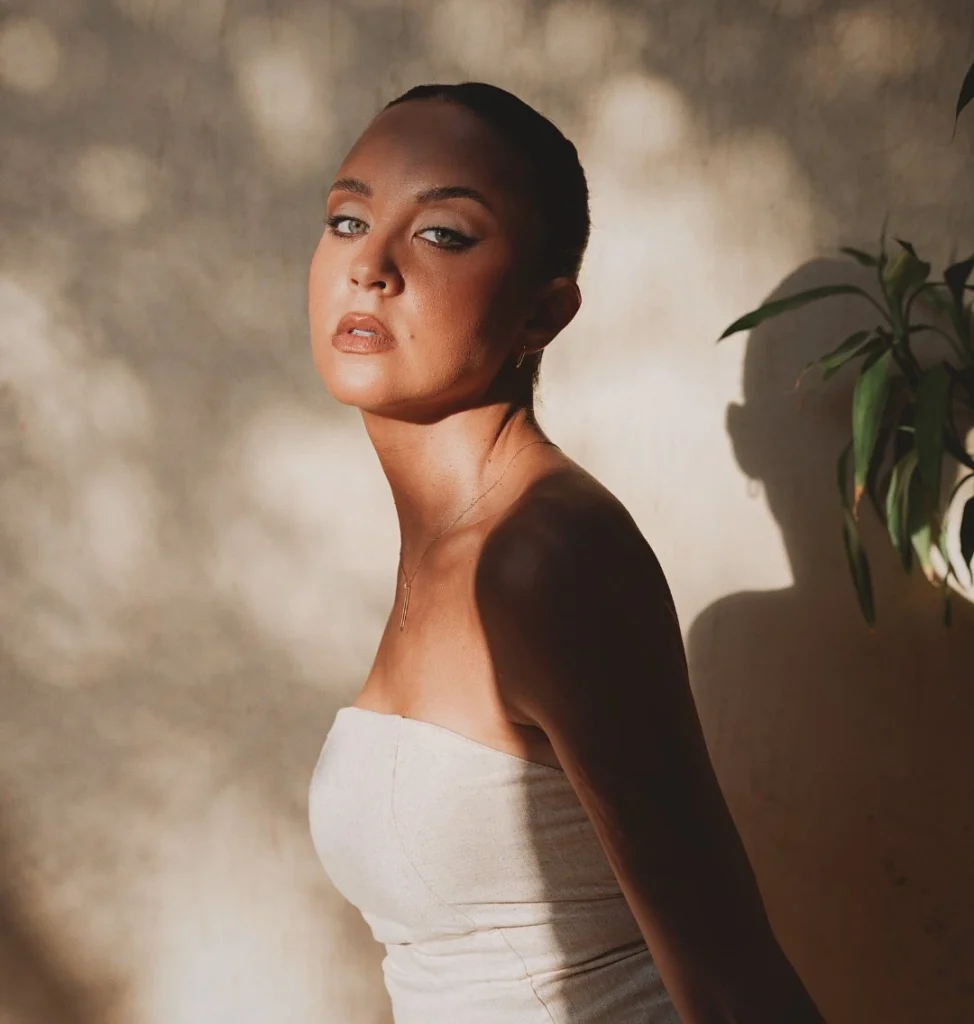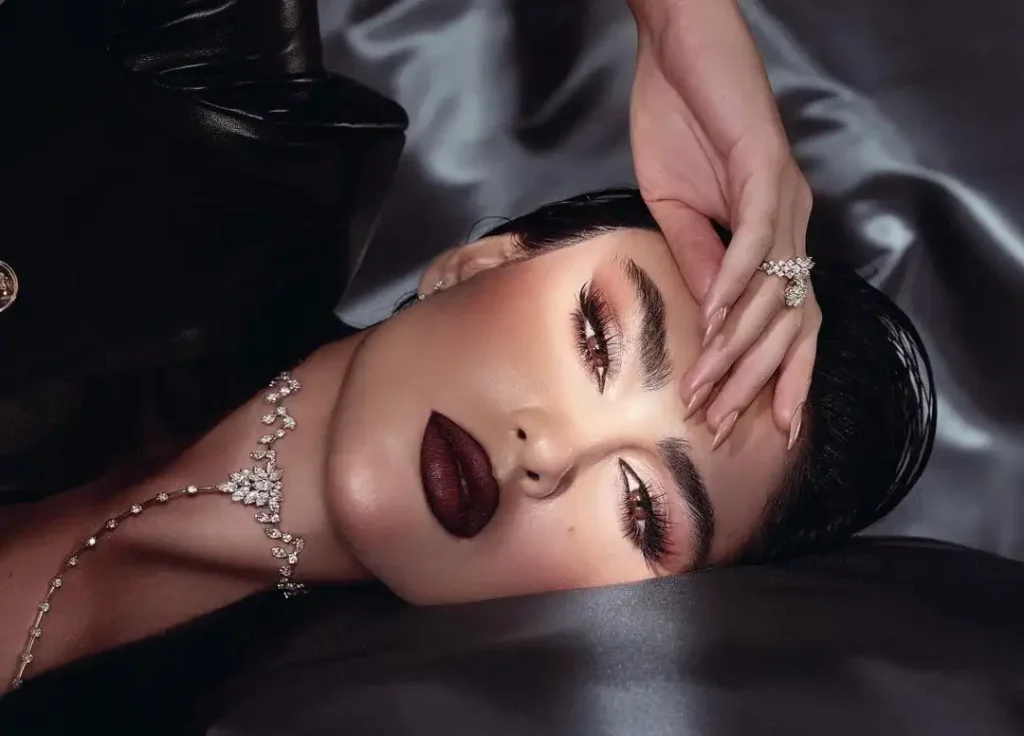
Mariam El Khosht
The Melodic Weaver of Emotional Textures
By Sofia Lava
In the kaleidoscopic landscape of the modern Egyptian arts, where the clamour of fame often drowns out the nuance of the craft, Mariam El Khosht has established herself as a serene yet formidable presence. Her journey into the public consciousness has been less a sudden eruption and more a gradual, deliberate unfurling, reminiscent of a slow-burning theatrical score that eventually consumes the entire auditorium. To observe her work is to witness a profound synchronisation between the auditory and the visual, a legacy of her deep-rooted connection to the world of voice acting and music. She does not merely step into a frame; she tunes herself to the frequency of her environment, bringing a rhythmic, almost lyrical sensibility to every character she inhabits. This is the hallmark of a performer who views the human experience as a series of intricate vibrations, each worthy of meticulous study and soulful reproduction.
Her professional origins are steeped in the invisible art of the voice, a discipline that requires the ability to convey the entirety of a person’s history through nothing more than a breath or an inflection. Long before she was a household name on screen, she was the unseen architect of emotion for a global audience, lending her vocal range to iconic characters in the Arabic versions of international masterpieces. This background in dubbing and voice work provided her with a tactical advantage—a heightened sensitivity to the subtext of a script and an understanding that what is unsaid is often more powerful than the spoken word. When she finally transitioned into the physical realm of television and cinema, she brought this precision with her, resulting in a style of acting that is uniquely layered and intellectually rigorous.
The cultural impact of her presence is perhaps most visible in the way she has redefined the “modern Cairene” archetype. Through her roles in seminal series such as Grand Hotel, Eugenia’s Nights, and Why Not?, she has moved away from the tired tropes of the ingenue to present women who are intellectually engaged, emotionally complex, and often quietly defiant. She possesses a rare, luminous quality that allows her to inhabit period dramas with a fidelity that feels ancestral, yet she remains vibrantly connected to the anxieties of the contemporary woman. There is a stillness in her performance, a composed authority that suggests a mind constantly at work, deconstructing the social architecture of the worlds she portrays. This ability to bridge the gap between the nostalgic elegance of the past and the sharp realities of the present is her greatest contribution to the regional narrative.
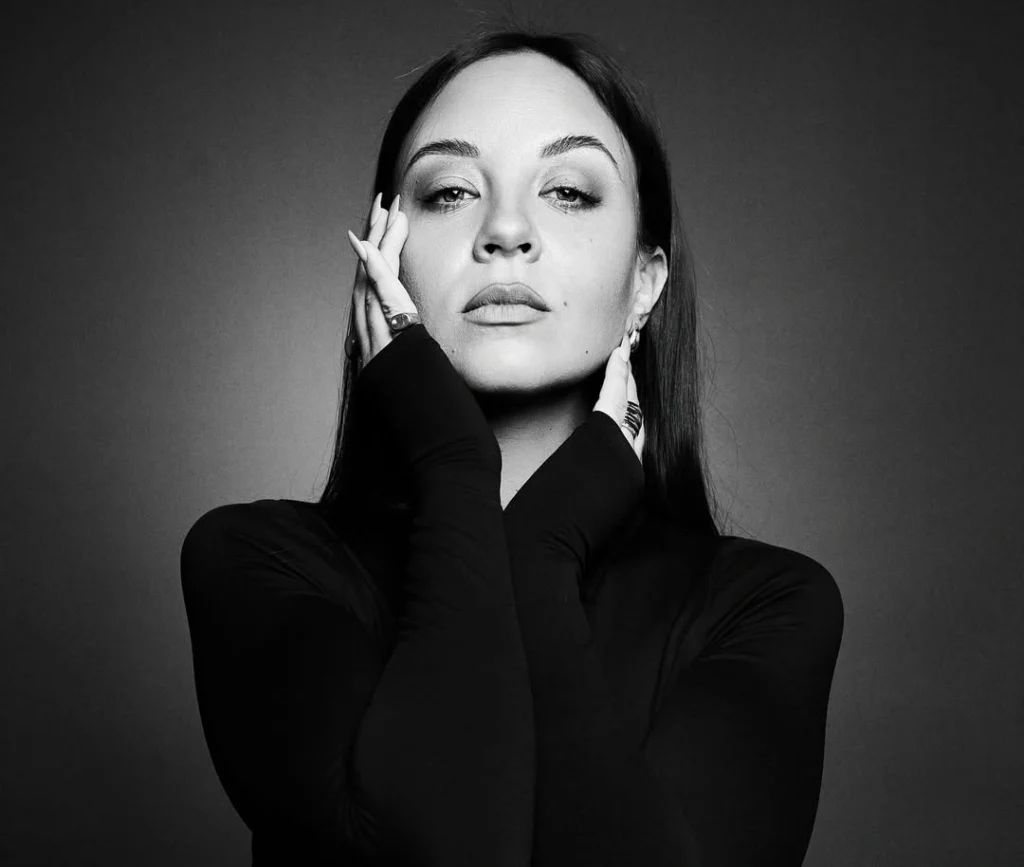
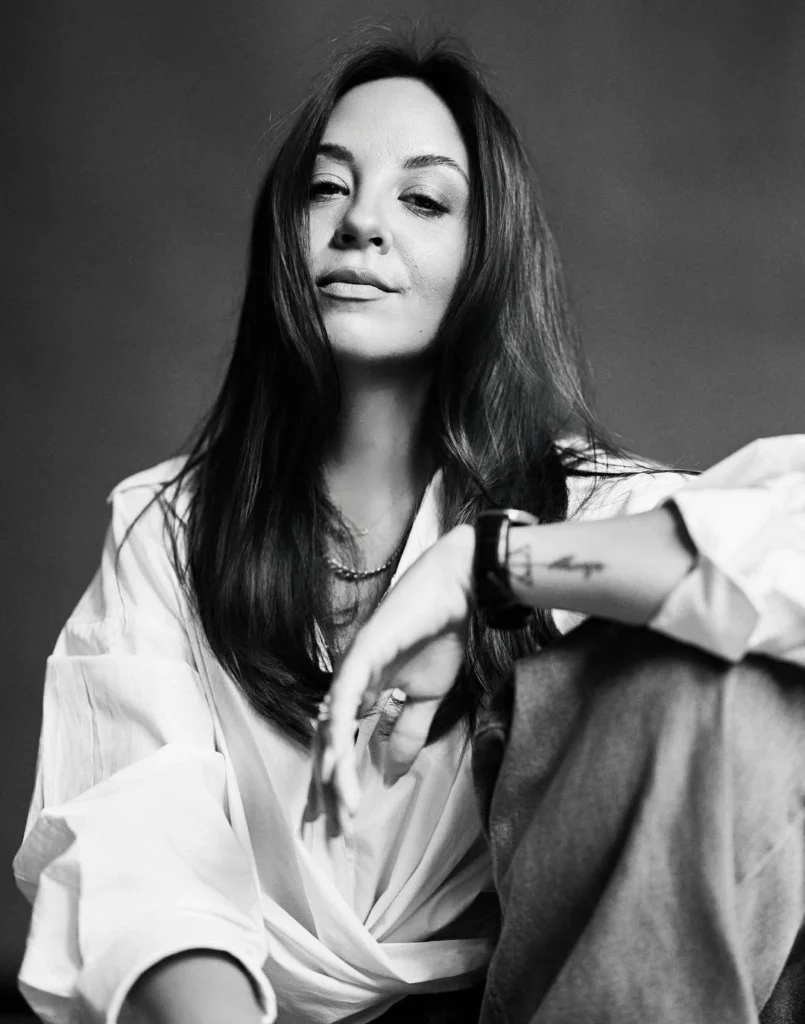
Beyond the lens, her professional identity is defined by a 24/7 devotion to the creative process that extends far beyond the boundaries of a film set. She is an artist of the multifaceted variety, as comfortable with a microphone or a musical instrument as she is in front of a camera. This holistic engagement with the arts suggests a person who views creativity not as a career path, but as a necessary form of oxygen.
Her public persona is one of grounded transparency, where she shares her interests in literature, animal welfare, and the subtle beauties of the everyday with a community of followers who value her for her substance as much as her aesthetic. She rejects the curated perfection of the typical celebrity in favour of a more authentic, relatable humanity, proving that one can be both a star and a genuine participant in the world.
There is a grit to her methodology that often goes unremarked in the discussion of her visual appeal. To maintain a career of such consistency in the high-velocity environment of the Middle Eastern entertainment industry requires a formidable grasp of strategy and a disciplined work ethic. She acts as a curator of her own legacy, selecting projects that challenge her range and contribute to the larger cultural conversation. Whether she is tackling the complexities of mental health, the fractures of domestic life, or the pursuit of professional autonomy, she does so with an integrity that is earned through rigorous preparation. She is a woman who thrives in the complexity of the rehearsal room, viewing each character as a puzzle to be solved and each performance as an opportunity for evolution.
Her influence also reaches into the realm of social consciousness, where she uses her platform to shine a light on the voiceless. Her advocacy for animal rights and her involvement in humanitarian initiatives are not performative gestures but extensions of her core philosophy: that the arts must be rooted in a deep-seated empathy for all living things. She understands that the power of an icon is at its most potent when it is directed toward the dismantling of indifference. In her world, a public figure is a steward of the collective conscience, responsible for fostering a culture of kindness and resilience. This sense of purpose provides her work with a gravity that resonates far beyond the duration of a television episode.
The scale of her ambition is matched by a sophisticated humility. She is frequently seen celebrating the successes of her peers, acting as a supportive pillar within the Egyptian artistic community. This lack of professional ego has made her a sought-after collaborator for directors and writers who seek a partner in the creative process rather than just a face for their posters. She represents a new wave of Egyptian talent that is as much an intellectual movement as it is an entertainment one—a generation that prizes the depth of the story over the height of the billing. In her hands, the transition from one role to the next is a metamorphosis of the soul, a constant shifting of perspectives that enriches the cultural fabric of the region.
Ultimately, the narrative of Mariam El Khosht is one of harmony. She has taken the disparate elements of her experience—the discipline of the voice booth, the passion of the musician, and the analytical mind of the actor—and fused them into a singular, resonant voice. She is a weaver of emotional textures, constantly seeking out new patterns and shades of human experience to present to the world. In a landscape that is often obsessed with the immediate and the loud, she has found her power in the enduring and the subtle. She remains a vanguard of the new Egyptian aesthetic, a performer whose work is as much a study in the art of listening as it is in the art of speaking. As she continues to evolve, her legacy becomes increasingly intertwined with the very landscape of Arab creativity, a permanent fixture in the ongoing story of a culture that is rediscovering its own voice.
As the curtains rise on her future projects, the impact of her tireless dedication becomes clear in the depth of her characterisations. She has turned the screen into a space for profound reflection, proving that the most powerful tool for change is not a shouted message, but a whispered truth delivered with unshakeable conviction. She is the steady pulse of a new cinematic era, guided by a compass that points toward authenticity, intelligence, and a relentless pursuit of the beautiful. Through her efforts, the invisible has become visible, and the silent has found a melody that resonates across borders.