Her Excellency
Sheikha Al Mayassa Bint Hamad Bin Khalifa Al Thani
The Woman Who Taught a Region How to See Itself Through Culture
By Editorial Desk
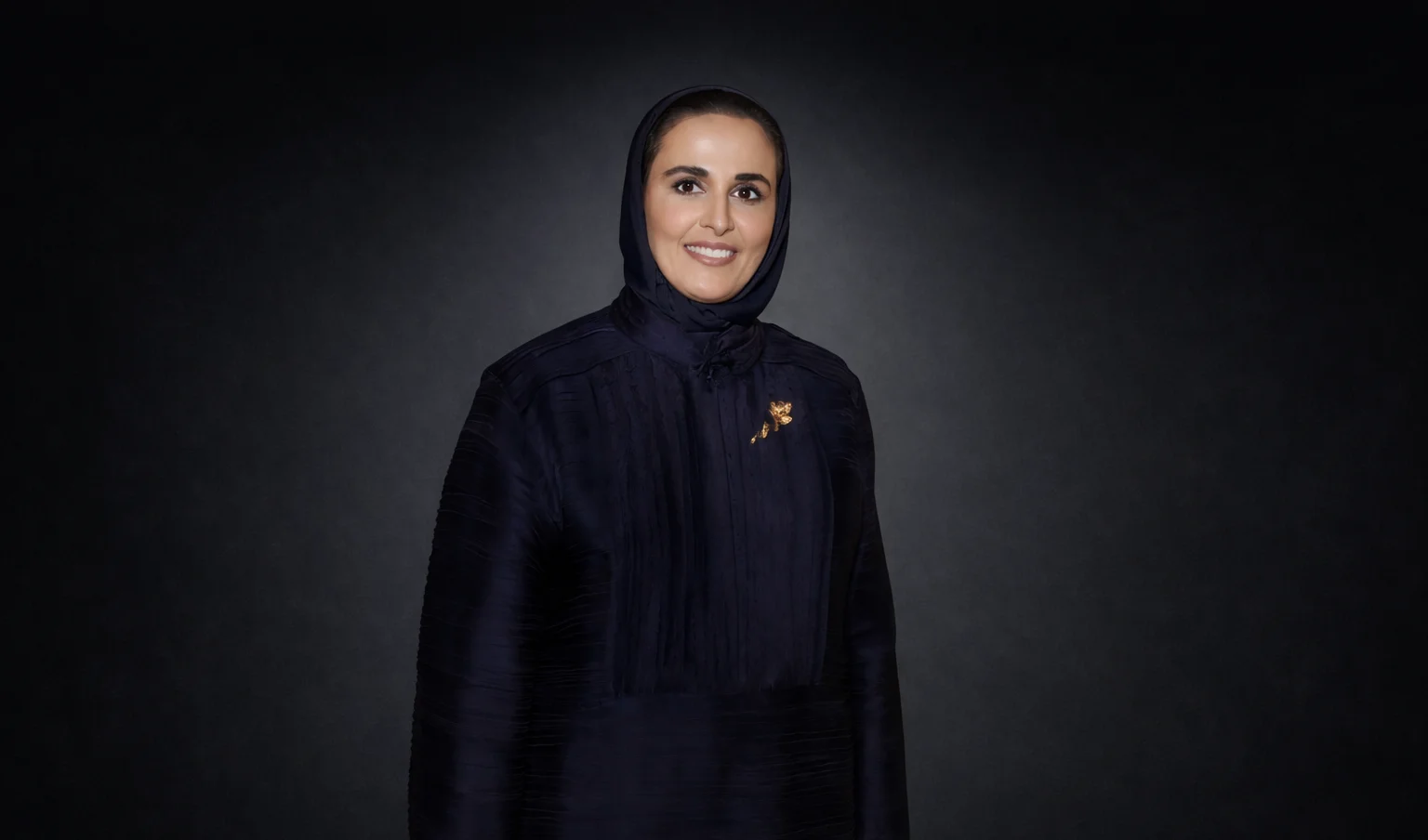
In the Gulf, culture once lived in quiet places. It resided in the rhythm of spoken poetry, in the patience of hand embroidery, in the unrecorded elegance of daily rituals passed between generations of women. What Sheikha Al Mayassa bint Hamad bin Khalifa Al Thani has accomplished is not the amplification of culture, but its translation. She has taken the inner life of a region and given it form, space, and visibility without stripping it of its soul.
For the readers of Magnav MENA, Sheikha Al Mayassa represents a modern ideal of feminine influence. She is a woman whose power does not announce itself loudly but unfolds deliberately. Her presence in global cultural circles is not defined by spectacle, but by depth, discernment, and a rare emotional intelligence that understands culture as a living, breathing force rather than a static inheritance.
Born in Doha in 1983, Sheikha Al Mayassa grew up at a moment when Qatar was quietly preparing for transformation. Her formative years were shaped by a balance of rooted tradition and expansive curiosity. Education became the lens through which she learned to understand the world and her place within it. At Duke University, where she studied literature and political science, she developed a sensitivity to narrative and structure. Further academic experiences at Sciences Po and Columbia University refined her ability to navigate complex cultural dialogues with nuance and clarity.
What distinguishes her intellectual journey is not the prestige of the institutions, but the way she internalized learning. Literature trained her to read between lines. Political science taught her how systems shape societies. Together, they formed a worldview in which culture is not ornamental, but foundational. When she returned to Qatar, she did not seek the spotlight. Instead, she began cultivating something far more enduring: an ecosystem where creativity could belong to everyday life.
As Chairperson of Qatar Museums, Sheikha Al Mayassa reshaped the idea of what cultural institutions could mean in the Middle East. Museums under her vision are not distant temples of knowledge. They are intimate spaces that invite reflection, emotion, and connection. Rather than positioning culture as something to be observed, she made it something to be felt.
The Museum of Islamic Art, standing gracefully along Doha’s waterfront, does more than house centuries of artistic mastery. It offers continuity. Visitors move through its galleries not as outsiders peering into history, but as participants in an ongoing civilizational story. The National Museum of Qatar tells its narrative differently. Its architecture unfolds like memory itself, organic and layered, mirroring the desert rose that inspired its form. Inside, the story of a nation is told through voices, textures, and lived experiences rather than grand declarations.
Beyond museum walls, art under Sheikha Al Mayassa’s stewardship enters daily life. Sculptures rise quietly from desert landscapes. Installations appear in hospitals, public spaces, and along coastlines. Art becomes a companion rather than a destination. This approach has subtly reshaped how people in Qatar interact with creativity, making it accessible, unpretentious, and deeply human.
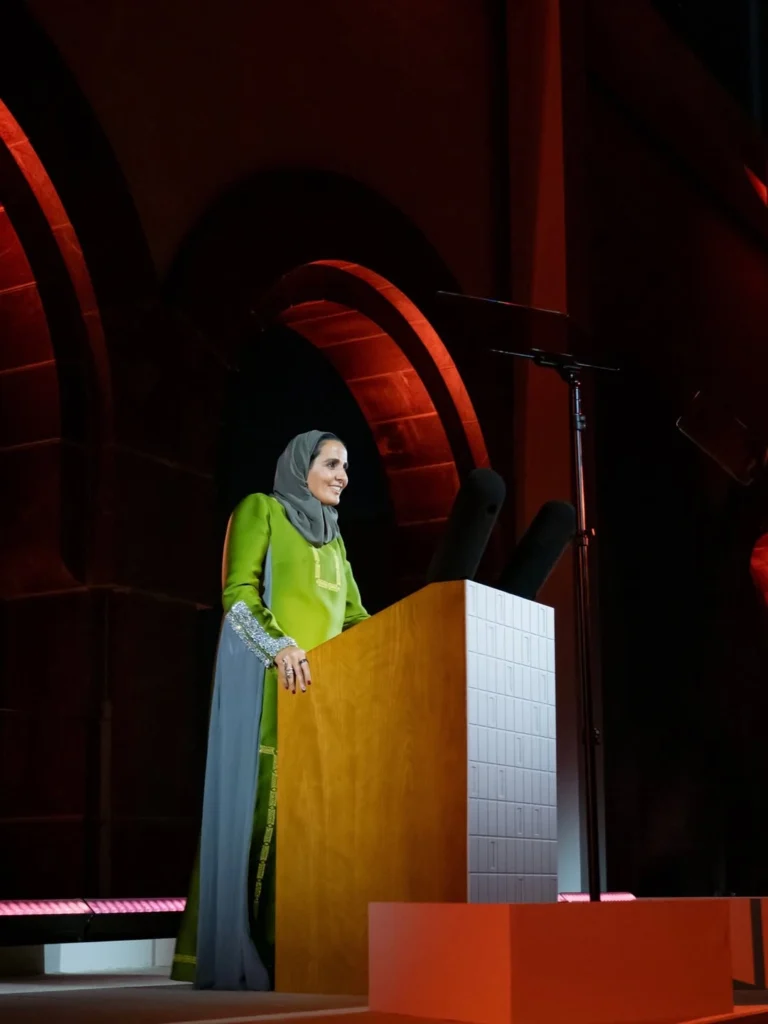
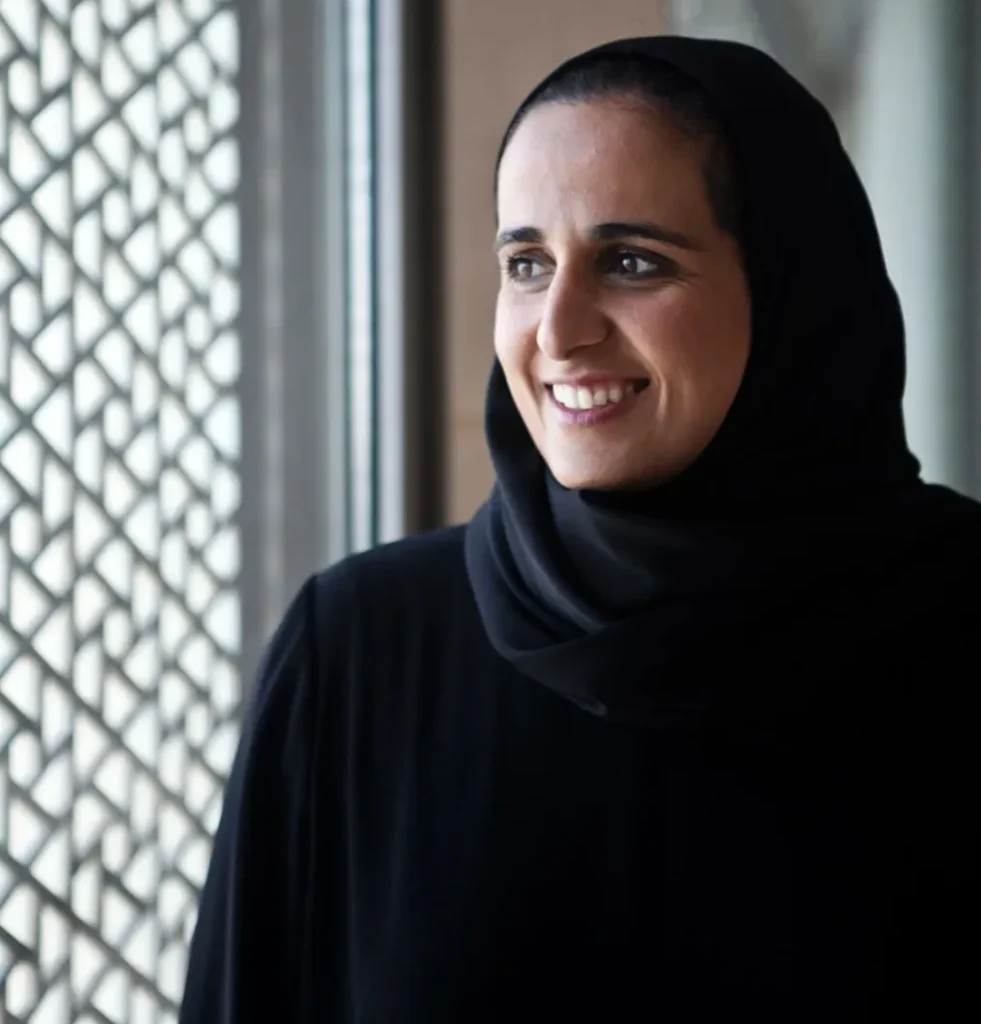
Her approach to collecting art reflects the same sensibility. While her acquisitions have often made international headlines, the true significance lies in intention rather than price. Each work she brings into Qatar’s cultural orbit carries emotional weight. These are pieces chosen for their ability to provoke thought, invite stillness, and encourage dialogue. She collects not to impress, but to educate the eye and the spirit.
Restraint defines her curatorial philosophy. Institutions never overshadow the works they hold. The works never eclipse the audience. There is balance, and within that balance, respect. Art is allowed to speak in its own language, without excess interpretation or theatrical framing.
Fashion occupies a unique place in Sheikha Al Mayassa’s cultural vision. For her, fashion is not trend driven or seasonal. It is identity in motion. Through Fashion Trust Arabia, she has provided designers from the Middle East and North Africa with something invaluable: belief in the worth of their own voice. The platform does more than offer exposure. It nurtures confidence, craftsmanship, and continuity.
Designers supported through this initiative are encouraged to translate heritage rather than abandon it. Traditional techniques are reimagined, not replaced. Craft becomes contemporary without losing its memory. In doing so, she honors the long history of women in the region as creators, artisans, and storytellers whose work was often uncredited but deeply influential.
Cinema is another language through which Sheikha Al Mayassa explores belonging. With the Doha Film Institute, she created a space where regional stories could unfold honestly. Film, in her philosophy, is a mirror rather than a megaphone. Through mentorship programs and festivals, filmmakers are supported in telling stories rooted in emotional truth rather than expectation.
The result is a growing body of work that explores themes of identity, family, displacement, silence, and resilience. These films travel internationally, yet remain unmistakably connected to the region they emerge from. For women filmmakers in particular, the impact has been transformative, offering both opportunity and validation in an industry where representation has long been uneven.
Beyond the arts, her commitment to education reveals the long horizon of her thinking. Through initiatives focused on access to learning across Asia and the Middle East, she reinforces a fundamental belief that culture cannot survive without education. Creativity requires literacy. Expression requires opportunity. Without these, art risks becoming ornamental rather than transformative.
Education, in her worldview, is the soil from which cultural confidence grows. By supporting learning at scale, she ensures that future generations will not only consume culture, but contribute to it.
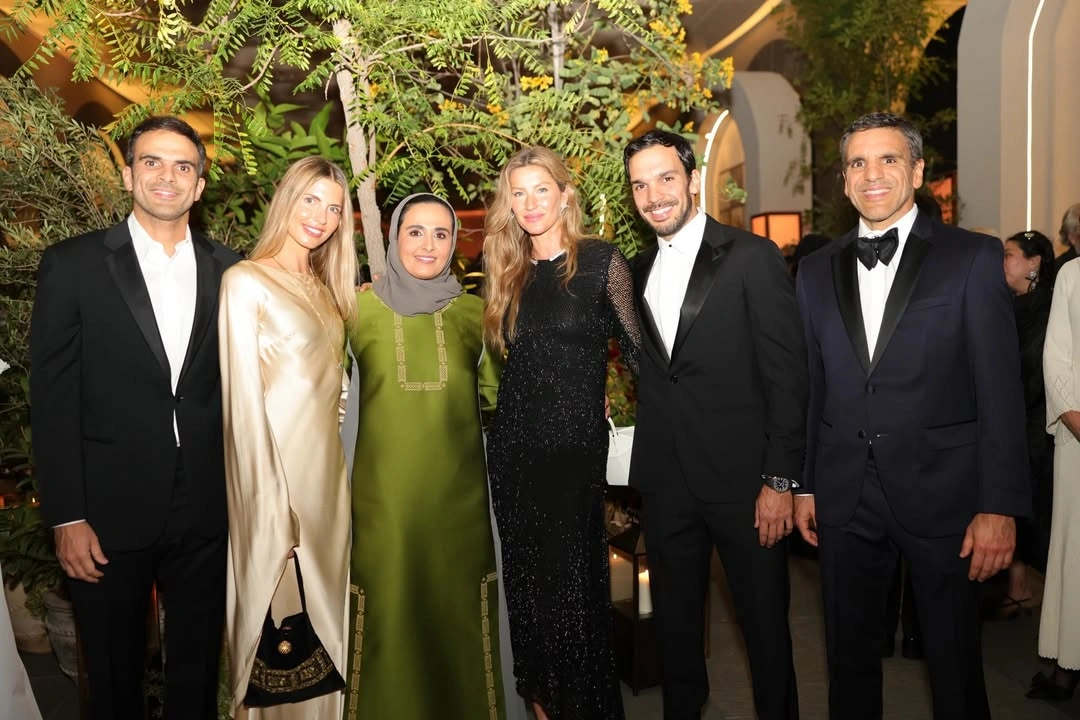
Sheikha Al Mayassa’s influence is felt as much in how she carries herself as in what she builds. Her style is composed, intentional, and quietly authoritative. She does not dress to command attention, but to reflect clarity. Clean silhouettes, thoughtful craftsmanship, and an absence of excess mirror her broader philosophy. Nothing is accidental. Nothing is overstated.
For women across the region, she represents a model of leadership that feels attainable yet aspirational. One rooted in intellect, patience, and self trust rather than performance.
As Qatar continues to expand its cultural landscape, her vision remains consistent. New institutions are conceived not as monuments, but as invitations. Spaces where young people can gather, question, and imagine. What she is ultimately shaping is not a district or a collection, but a cultural mindset.
Sheikha Al Mayassa bint Hamad bin Khalifa Al Thani has taught a region how to see itself with confidence and care. Her work affirms that culture is not an accessory to progress, but its emotional compass. In shaping how a nation understands its past, lives its present, and imagines its future, she has created something enduring.
She has turned culture into belonging.