Magnav MENA

Author name: magnavme.com

Hadeer Mahmoud, The Art of the Unseen Lens
Lifestyle

Hadeer Mahmoud, The Art of the Unseen Lens

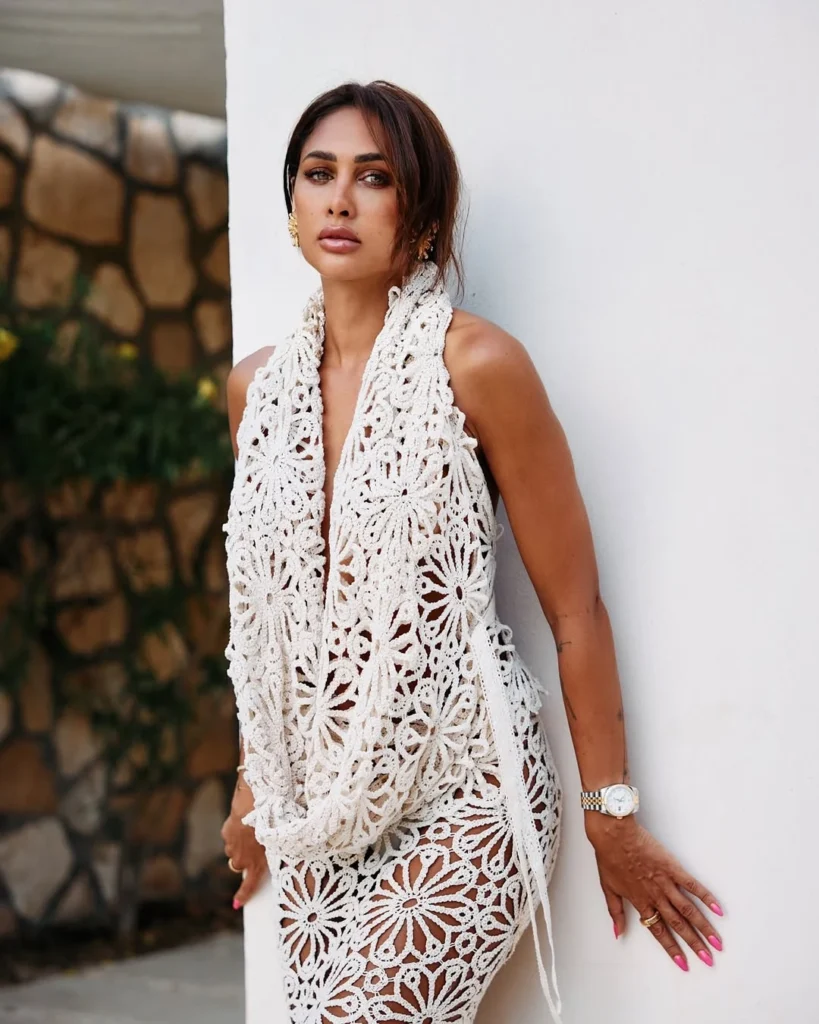
Hadeer Mahmoud The Art of the Unseen Lens and the Silent Chronicles of the Egyptian Streets By Sofia Lava In a particular kind of stillness that exists within the chaos of a city like Cairo, a quietude that most of us overlook in our haste to cross the street or catch a train. It is in these fleeting moments, the ones that vanish the second they are noticed, that the work of Hadeer Mahmoud finds its home. To look through her portfolio is to be reminded that the world is not merely a collection of events but a series of deeply felt human experiences. She does not simply capture a scene; she captures the weight of the air within it. Her photographs are conversations held in silence, offering a glimpse into the lives of those who often walk the margins of society, yet possess a dignity that radiates with an almost celestial light. In a digital age where images are consumed with the speed of a heartbeat and discarded just as quickly, her work demands a slower pace. It asks us to pause, to look closer, and to acknowledge the shared threads of humanity that bind us all together regardless of our circumstances. Her journey into the world of visual storytelling was not one of chance, but of a profound necessity to give voice to the voiceless. From the very beginning, she was drawn to the stories that were not being told, the ones that lay buried under the headlines of the day. Her focus on marginalised communities is not a matter of mere curiosity but a commitment to social justice. She has a remarkable ability to enter into the private worlds of her subjects with a grace that ensures their stories are told with authenticity and respect.  Whether she is documenting the lives of women in rural villages or the struggles of refugees seeking a new beginning, her lens remains steady and compassionate. There is a palpable sense of trust in her images, a feeling that the person on the other side of the camera has allowed her to see them as they truly are. This is no small feat in a world that is often suspicious of the outsider, and it speaks to the depth of her character and her dedication to her craft. One cannot discuss her work without mentioning her evocative series on the Cairo metro. For many, the metro is a place of transit, a necessary evil in the daily commute. But through her eyes, it becomes a stage for the drama of everyday life. She captures the exhaustion of a long day, the fleeting joy of a shared joke between strangers, and the quiet contemplation of a lone passenger lost in thought. The lighting in these images is often soft and ethereal, casting a glow over the mundane and transforming it into something beautiful. It is as if she is mining for gold in the shadows, finding the extraordinary within the ordinary. Her work reminds us that there is beauty to be found everywhere if only we have the patience to look for it. It is a testament to her skill as a photographer that she can take such a familiar environment and make it feel entirely new. Her aesthetic is one of refined simplicity. She eschews the flashy and the dramatic in favour of a more subtle approach that allows the subject to remain the focus. Her compositions are often minimalist, with a careful attention to balance and form that reveals her keen eye for detail. There is a timeless quality to her photography, a sense that these images could have been taken fifty years ago or fifty years from now. They are not beholden to the trends of the moment but are instead rooted in a classic tradition of documentary photography that values truth above all else. This commitment to honesty is what gives her work its power. It is not always easy to look at the realities she presents, but it is impossible to look away. She forces us to confront the world as it is, with all its imperfections and its heartbreaks, and in doing so, she invites us to be part of the solution. Beyond her technical skill, there is a profound emotional intelligence at work in her photography. She understands the power of a gesture, the tilt of a head, or the expression in a pair of eyes. She knows that sometimes the most important part of a story is what is left out of the frame. Her images are filled with a sense of longing and a yearning for connection that is universal. They speak to the human condition in a way that transcends language and culture. It is this ability to touch the heart that has earned her international recognition and established her as one of the most compelling voices in contemporary photography. Her work has been featured in some of the world’s most prestigious publications, yet she remains grounded and focused on the work itself. For her, it is never about the accolades but about the impact her images can have on the world. The stories she tells are often those of resilience. She shows us people who have faced unimaginable challenges yet continue to find the strength to carry on. There is a quiet heroism in her subjects, a bravery that is not found on a battlefield but in the daily struggle to survive and to thrive. Through her lens, we see the power of community and the importance of supporting one another in times of need. Her work is a call to action, a reminder that we all have a responsibility to look out for one another. It is a message that is more important now than ever before, as the world becomes increasingly divided and the gaps between us seem to grow wider. Her photography serves as a bridge, connecting us to people and places we might otherwise never know. In
Maguy Bou Ghosn
Lifestyle

Maguy Bou Ghosn, The Grace of Versatility

Maguy Bou GhosnThe Grace of Versatility By Jane Stevens In the hills of Bsalim, where the landscape is etched with the rugged persistence of the Lebanese spirit, a young girl once dreamt of melodies before she ever considered the stage. Maguy Bou Ghosn is a woman whose presence in the regional consciousness has been earned through a rare combination of tenacity and a light, comedic touch that belies a deeper, more resonant strength. To look at her career is to see a mirror of the modern Lebanese experience: vibrant, sometimes fractured, yet inherently unbreakable. She has become more than just a fixture of the television screen; she is a symbol of how one can inhabit many lives while remaining resolutely anchored to a singular, authentic self. Her journey into the arts began not with a script, but with a score. At the Higher Institute of Music, she dedicated herself to the study of sound, a discipline that requires a fine ear for timing and harmony. This early immersion in music provided the foundation for her later work, giving her a sense of rhythm that translates seamlessly into her comedic timing and the emotional beats of her dramatic roles. When she eventually pivoted toward acting, it was not a departure from her artistic roots but an expansion of them.  She brought with her a musicality of expression that allowed her to move between genres with a fluidity that few of her contemporaries could match. Her ascent was not instantaneous, but rather a steady climb through the diverse landscape of Arab drama. From her early days in Syrian productions to her eventual breakthrough in the Lebanese television industry, she demonstrated a tireless work ethic. She became a woman who understood that longevity in the arts is built on the ability to evolve. Whether she was portraying the endearing complexities of a comedic heroine or the dark, intricate layers of a woman navigating the brink of despair, she did so with a conviction that demanded attention. Her performances are marked by a specific kind of empathy, a way of inhabiting characters that makes their struggles feel like our own. Beyond the cameras and the choreographed lights of the studio, there is a profound sense of responsibility that guides her public life. Her victory in a major televised singing competition was not merely a personal triumph but a philanthropic opportunity, as she chose to donate her winnings to a children’s cancer centre. This act of generosity was not an isolated incident but part of a broader commitment to humanitarian causes. She has often used her voice to advocate for the vulnerable, releasing charity singles that seek to uplift and inspire. It is this willingness to use her success as a tool for social good that has endeared her to a public that sees her as much a guardian as an entertainer. Her personal resilience was perhaps most evident during her own health challenges, which she faced with a transparency that was both courageous and comforting to her followers. By speaking openly about her experiences, she transformed a moment of vulnerability into a powerful narrative of survival. She showed that behind the glamour of the industry lies a person who navigates the same fears and uncertainties as anyone else. This openness has fostered a deep, familial bond with her audience, who look to her not just for entertainment, but for a reminder of the strength of the human will. In the contemporary landscape of Lebanese media, she occupies a position of significant influence, yet she carries this power with a notable absence of arrogance. She is a woman who values the collaborative nature of her craft, often speaking of the importance of the team behind the screen. Her involvement with major production houses has seen her at the forefront of a new era of regional storytelling, one that is as polished as it is poignant. She has been a driving force in proving that local narratives have a global resonance, helping to elevate the standard of drama across the Middle East. Her digital presence reflects a life lived with a keen eye for beauty and a deep appreciation for the everyday. She shares fragments of her world that are at once aspirational and grounded, from the elegant silhouettes of her public appearances to the candid, sunlit moments of her family life. There is a classic quality to her style, an embrace of sophistication that never feels forced. She moves through the world with the poise of someone who has found a balance between the demands of a high profile career and the sanctity of her private relationships. The legacy she is building is one of multifaceted excellence. She has proven that it is possible to be a singer, an actress, and a philanthropist without ever losing the thread of one’s own identity. Her story is a testament to the power of persistence and the importance of heart. She remains a figure of enduring relevance because she has never stopped growing, never stopped questioning, and never stopped giving. In a world that often prizes the superficial, she stands as a reminder that the most compelling performances are those rooted in a genuine love for humanity and a relentless pursuit of truth.

Giorgina Juanita
Lifestyle

Giorgina Juanita, The Radiant Equilibrium of a Contemporary Muse

Giorgina Juanita The Radiant Equilibrium of a Polished Life and the Renaissance of the Contemporary Muse By Ami Pandey There is a captivating rhythm to a life lived with intention, a harmony that emerges when the pursuit of beauty is balanced by the rigours of discipline. In the digital landscape, where fleeting trends often overshadow genuine substance, Giorgina Juanita stands as a beacon of refined consistency. To witness her journey is to observe the meticulous construction of an environment that is both aspirational and deeply grounded. She has mastered the delicate art of the domestic reset, transforming the mundane tasks of tidying and preparation into a ritual of self respect. In her world, a morning routine is not merely a sequence of actions but a manifesto for the day ahead, a way of anchoring the spirit before the noise of the world takes hold. She offers a vision of modern womanhood that is as much about the strength of one’s character as it is about the glow of one’s skin. Her narrative is one of entrepreneurial spirit intertwined with a sophisticated visual language. As a founder and a creator, she navigates the complexities of the beauty industry with a grace that belies the hard work behind the scenes. Her focus on ethical choices and sustainable practices reflects a deeper consciousness, a desire to ensure that the pursuit of glamour does not come at the expense of one’s values. There is a luminous quality to her presence, a warmth that draws people into her “bubble of beauty” and makes them feel welcome. Whether she is sharing the secrets to a perfect hairstyle or the quiet moments of a Sunday afternoon, her lens remains focused on the restorative power of self care. She understands that to pour into the world, one must first ensure their own cup is full, and she shares this philosophy with a generosity that has garnered a global following. One cannot help but admire the seamless way she integrates her professional ambitions with her personal joys. Her life is a tapestry of varied threads, from the bustling energy of her business office to the quiet companionship of her dog in a sunlit park. She captures the essence of a travel vlog or a home renovation with the same eye for detail that she applies to a makeup tutorial, proving that every aspect of life is worthy of aesthetic consideration. There is a soft, airy quality to her imagery, a sense of light and space that feels like a breath of fresh air. It is as if she is mining for moments of peace amidst a busy schedule, finding the sanctuary within the schedule. Her work reminds us that productivity and poetry are not mutually exclusive but can coexist in a beautifully orchestrated life. Her personal style is a study in the power of the “clean girl” aesthetic, yet it possesses a depth that transcends the label. She favours silhouettes that are effortless and polished, choosing textures that invite touch and colours that soothe the eye. There is a timelessness to her choices, a nod to the classics updated for a generation that values both comfort and chic. Her wardrobe serves as a curated collection of her experiences, each piece a reflection of a woman who knows exactly who she is and what she stands for. This self assurance is her most potent accessory, a quiet confidence that radiates through every frame. She is not chasing the next big thing; she is cultivating a lasting legacy of elegance. Beyond the visible surfaces, there is a profound sense of balance that defines her approach to living. She is a woman of action, a business owner who tackles her to do list with a focus that is as impressive as it is inspiring. Yet, she is also a woman of reflection, someone who understands the necessity of the “glow potion” and the evening workout. This duality is what makes her so relatable to an audience that is also trying to find its way through the demands of modern life. She offers a roadmap for a life that is both successful and soul nourishing, demonstrating that it is possible to be a powerhouse in the boardroom and a picture of serenity at home. The stories she tells are those of growth and evolution. She shows us that beauty is not a static state but a journey of discovery. Through her eyes, we see the importance of trying new things, whether it is a different camera lens or a fresh perspective on home decor. There is a bravery in her willingness to share her life updates and her “fall funks,” a vulnerability that only strengthens the bond she has with her audience. Her work is a reminder that we are all works in progress, and that there is beauty in the struggle as well as the triumph. She encourages us to embrace our own complexities and to never stop striving for a life that feels as good as it looks. In her continuous pursuit of excellence, she has established herself as a leading voice for a new generation of creators. She is an architect of atmosphere, someone who knows how to build a community around a shared appreciation for the finer points of daily existence. Her work is an invitation to join her in a world where every detail matters and where the pursuit of beauty is a lifelong endeavour. She is a true visionary, someone who understands that the most important brand we ever build is our own identity. Her journey is far from over, and it is a privilege to watch as she continues to refine her craft and inspire others to do the same. The impact of her work lies in its ability to elevate the every day into the extraordinary. When observing her navigate a work day or a solo trip to London, one is reminded that the world is full of possibilities for those who are willing

Engy Kiwan
Lifestyle

Engy Kiwan, The Metamorphosis of a Media Maven

Engy Kiwan The Metamorphosis of a Media Maven By Afef Yousfi The vibrant landscape of contemporary Arab entertainment, where the transition from corporate rigour to creative fluidity is a path seldom trodden with such conviction, Enjy Kiwan stands as a compelling study in self-actualization. Her trajectory from the disciplined corridors of investment banking to the flickering lights of the silver screen is not merely a career change; it is a profound reclamation of identity. Born and raised in Abu Dhabi to Egyptian parents, she spent a decade navigating the analytical world of finance, fulfilling familial expectations while harbouring a dormant spark for the performing arts. This early foundation in banking provided her with a tactical sharpness, a professional equilibrium that she now applies to the mercurial world of acting and public presenting. She is the embodiment of the idea that one’s past experiences are never discarded but are instead repurposed into a more sophisticated version of the self. As a Master of Ceremonies, she possesses a rare, instinctive ability to command a room, a skill honed through years of moderating high-stakes financial panels and corporate functions. Her presence on stage is defined by a polished magnetism that bridges the gap between the formal and the accessible. She does not simply host an event; she orchestrates the atmosphere, moving through various topics with a linguistic dexterity that makes the complex feel intimate. This mastery of live communication served as the perfect springboard into acting, where she has quickly demonstrated a range that defies her relatively recent entry into the craft. By tackling roles that vary from the quirky and comedic to the chillingly sociopathic, she has proven that her talent is not a superficial extension of her public persona but a deep-seated capability for transformation. Her foray into the cinematic world has been marked by a refusal to stay within a comfortable lane. Whether she is performing in the region’s first Arabic musical or taking on gritty, intense characters, there is a palpable sense of courage in her choices. She approaches each script with the meticulous eye of the analyst she once was, dissecting the motivations and the psychological scaffolding of her characters before bringing them to life with an organic, often raw, energy. This intellectual approach to the arts has made her a sought-after collaborator for directors who value depth as much as visibility. She is part of a new generation of Arab artists who are redefining the region’s cultural exports, bringing a global sensibility to local narratives and ensuring that the stories being told are as multifaceted as the audiences watching them. Beyond the cameras and the applause, there is a quiet, persistent heartbeat of advocacy that informs much of her public life. Drawing from personal experiences of childhood adversity, she has become a vocal champion for anti-bullying initiatives, using her platform to foster a culture of empathy and resilience. This is not philanthropy performed for the sake of optics; it is a deeply personal mission to ensure that the next generation is equipped with the emotional tools she had to forge for herself. Her work with international organisations like UNICEF and her role as an advocate for kindness highlight a woman who views her influence as a stewardship rather than a prize. She understands that the true measure of a public figure is found in the shadows they cast—the positive impact they leave on those who are often invisible to society. Her domestic life serves as the ultimate anchor in a world that is frequently untethered. As a mother, she navigates the complexities of a high-profile career with a groundedness that she attributes to her family. She is remarkably transparent about the challenges of balancing these two worlds, rejecting the myth of effortless perfection in favour of a more honest, relatable narrative. By involving her children in the realities of her work, she is teaching them the value of perseverance and the importance of following a calling, even when it requires a radical departure from the expected path. This holistic view of success, where personal fulfilment and professional achievement are inextricably linked, is perhaps her most resonant message to her nearly million-strong community of followers. The entrepreneurial spirit that saw her launch a bespoke furniture boutique during her banking years remains a defining characteristic of her current endeavours. She views the entertainment industry through the lens of a builder, constantly looking for ways to innovate and expand her reach. Whether she is collaborating with luxury global brands or preparing for her next international film role, she maintains a level of professionalism that is a direct legacy of her corporate origins. She has successfully cultivated a brand that is synonymous with elegance, intelligence, and a certain restless curiosity. She is a woman in a state of perpetual evolution, never content to rest on the laurels of a previous success but always scanning the horizon for the next challenge. Ultimately, the story of Enjy Kiwan is one of bravery. It takes a specific kind of courage to walk away from a stable, lucrative career in finance to pursue a dream that others might deem impractical. In doing so, she has become a lighthouse for those who feel trapped by the expectations of their surroundings. She has proven that it is possible to be both a scholar and a storyteller, an analyst and an artist, a mother and a mogul. As she continues to grace the screens and stages of the world, she remains a testament to the power of the pivot—a reminder that our lives are not a single, straight line, but a series of layers that we must choose to uncover.

Ayah Samaha, The Architect of Intricate Resonance
Lifestyle

Ayah Samaha, The Architect of Intricate Resonance

Ayah Samaha The Architect of Intricate Resonance By James Wood In the bustling, high-definition theatre of Egyptian cinema, where the weight of a legendary artistic heritage often looms large over contemporary talent, Ayah Samaha has carved a niche defined by an almost ethereal versatility. She does not merely occupy the screen; she haunts it with a quiet, deliberate intensity that suggests a deep understanding of the human condition. Her ascent within the industry has been characterised by a refusal to be pigeonholed, moving with a liquid grace between the macabre shadows of supernatural thrillers and the sharp, sunlit wit of social comedies. This ability to inhabit such wildly differing emotional landscapes is the hallmark of a performer who views her craft not as a job of imitation, but as a form of soulful excavation. Her professional foundation is one of rigorous intellectual scaffolding, having graduated from the Higher Institute of Theatrical Arts. This academic pedigree is evident in the precision of her movements and the calculated subtlety of her expressions. She belongs to a rare class of actors who understand that, on film, the most profound revelations often occur in the silences between lines. This was perhaps most visible in her groundbreaking role in Paranormal, the first foray into Egyptian original content for global streaming. As Huwaida, she provided the emotional heartbeat to a narrative thick with dread and mystery. Her performance was a masterclass in period-appropriate restraint, capturing the anxieties and hopes of a 1960s woman with a fidelity that felt both historically grounded and timelessly resonant. Yet, to focus solely on her dramatic gravitas would be to overlook the luminous energy she brings to the comedic genre. In projects like El Soffara and Kamel El Adad, she has demonstrated a comedic timing that is as sharp as a surgical blade, yet delivered with a warmth that makes her instantly relatable to a massive regional audience. She possesses a specific, magnetic charm that allows her to pivot from heartbreak to hilarity without ever losing the thread of her character’s authenticity. This versatility is not an accident of nature but a result of a disciplined commitment to the workshop of the self, constantly refining her skills and expanding her emotional vocabulary to meet the demands of an ever evolving industry. Her connection to the Egyptian artistic establishment is one of both blood and choice. Married into a legendary filmmaking dynasty, she inhabits a world where the conversations at the dinner table likely mirror the complexities of the scripts she reads. However, she has navigated this proximity to greatness with a fierce independence, ensuring that her reputation is built on the merit of her own performances rather than the lustre of her surname. There is a gritty determination in her work ethic, a sense of a woman who is 24/7 in her devotion to the art of storytelling. She views the entertainment industry not as a playground of vanity but as a vital laboratory for exploring social dynamics and personal vulnerabilities. Beyond the lens, her public persona is one of grounded sophistication. She uses her considerable digital influence to champion a vision of the Egyptian woman that is rooted in heritage yet entirely modern. Her presence in fashion and editorial spaces is marked by a refusal to settle for the generic; she carries herself with the poise of someone who knows her own mind and understands the power of visual narrative. Whether she is discussing the importance of literature for personal growth or advocating for the dignity of her peers within the artistic community, there is a consistent pulse of integrity to her actions. She acts as a bridge between the classic elegance of Cairo’s cinematic golden age and the fast-paced, digital-first reality of the twenty-first century. The metamorphosis of Ayah Samaha is a continuous process. She is an actress who thrives on the challenge of the unknown, frequently stepping into roles that require her to dismantle her own comforts. This bravery has earned her a seat at the table of the region’s most respected performers, making her a vital voice in the ongoing dialogue about what Arab cinema can and should be. She represents a shift toward a more nuanced, character-driven style of performance, where the internal life of the protagonist is as important as the external plot. In her hands, even the most minor role is treated with a level of dignity and detail that elevates the entire production. As she looks toward a future filled with high-profile film projects and ambitious television narratives, the essence of her appeal remains her unshakeable authenticity. She is a storyteller who understands that the most powerful tool an actor possesses is their own vulnerability. By leaning into the shadows and the light of her characters, she has created a body of work that is as diverse as the city that raised her. She remains a vanguard of the new Egyptian wave, a performer who is as much an intellectual as she is an artist, and whose legacy is being written with every frame she inhabits.

Amina Khalil
Lifestyle

Amina Khalil, The Custodian of Contemporary Expression

Amina Khalil The Custodian of Contemporary Expression By Ami Pandey In the grand, sweeping tapestry of Egyptian cinema a landscape often defined by its historical titans and rigid archetypes Amina Khalil has emerged as a vital, transformative force. She does not merely inhabit her characters; she breathes into them a modern, analytical life that mirrors the complexities of a society in flux. Her presence on screen is marked by a sophisticated equilibrium, a blending of classical training with a pulse that is entirely current. To observe her work is to witness a deliberate move away from the two-dimensional portrayals of the past toward a more nuanced, psychologically dense form of storytelling. She has become the face of a generation that demands authenticity over Artifice, and substance over the superficiality of celebrity. Her professional journey is underpinned by an academic rigour that is as rare as it is formidable. With a foundation built at the American University in Cairo and refined at the Lee Strasberg Theatre and Film Institute in New York, as well as the Moscow Art Theatre, she possesses a globalised perspective on the craft. This international exposure has not diluted her Egyptianness; rather, it has provided her with the technical vocabulary to express it with greater precision. She approaches each script as a scholarly text, excavating the social and emotional subtext with a discipline that betrays her corporate-level focus. This was perhaps most apparent in her breakout role in Grand Hotel, where she navigated the period-specific constraints of 1950s Aswan with a poise that felt both historically accurate and vibrantly alive. However, it is in her choice of contemporary narratives that her true influence is felt. Through projects like Leh Laa? and Al Harsha Al Sabe’a, she has spearheaded a shift toward dramas that tackle the silent tensions of modern Arab life—the pressures of female independence, the fractures in domestic partnerships, and the heavy weight of societal expectation. She has a specific talent for making the domestic feel epic, finding the universal struggle in the quiet moments of a kitchen conversation or a shared look of disappointment. By choosing roles that challenge traditional stereotypes, she has effectively turned the television screen into a mirror for her audience, forcing a collective engagement with topics that were previously relegated to the periphery of public discourse. Beyond the lens, her role as an Honorary Ambassador for the United Nations Population Fund underscores a commitment to public service that is 24/7 in its intensity. She does not view her fame as a destination but as a megaphone for those whose voices are often muffled by tradition. Her advocacy for women’s rights, reproductive health, and body autonomy is not a series of polished soundbites but a sustained, intellectual engagement with the structural challenges facing her community. She understands that the power of an icon is best utilised when it is directed toward the dismantling of bias and the promotion of equity. In her hands, philanthropy is not an accessory to her career; it is the core of her professional identity. Even in the face of the relentless scrutiny that comes with being a public figure in the digital age, she maintains a transparency that is both daring and refreshing. Her willingness to discuss personal hurdles, from the pressures of body shaming to the complexities of solo travel, has forged a bond of genuine trust with her massive following. She rejects the pedestal of the untouchable star in favour of a more human, relatable vulnerability. This honesty is her most potent currency, allowing her to lead conversations on mental health and self-acceptance with an authority that feels earned rather than assigned. She is a woman who is comfortable in the chaos of the spotlight, precisely because she is anchored by a clear sense of purpose. As the cinematic landscape continues to evolve, Amina Khalil stands as its most articulate navigator. She is a builder of bridges—between the old world and the new, between the ivory tower of academia and the bustling streets of Cairo, and between the art of performance and the necessity of activism. Her legacy is not just the awards she has garnered or the blockbuster films she has carried, but the subtle shift in the cultural atmosphere that her presence has facilitated. She remains a constant in a world of variables, a custodian of the collective consciousness who continues to prove that the most enduring form of luxury is the courage to be oneself.

Bvlgari, The Roman Renaissance of the 2026 Aesthetic
Lifestyle, Top Stories

Bvlgari, The Roman Renaissance of the 2026 Aesthetic

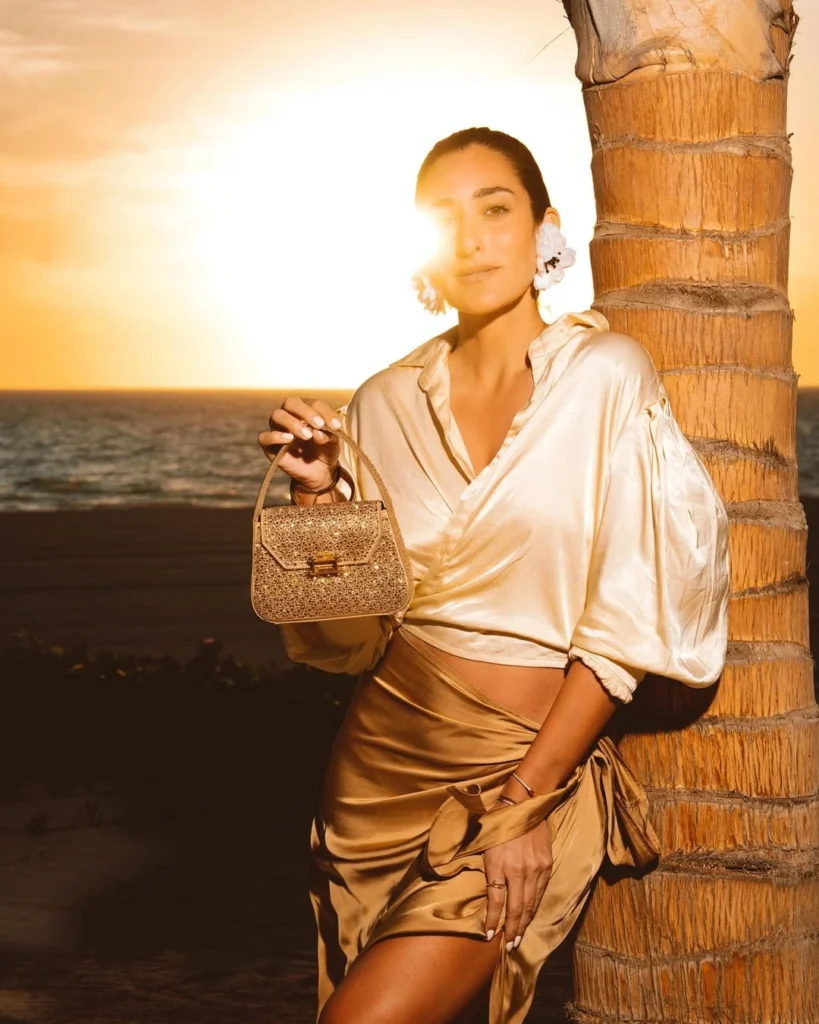
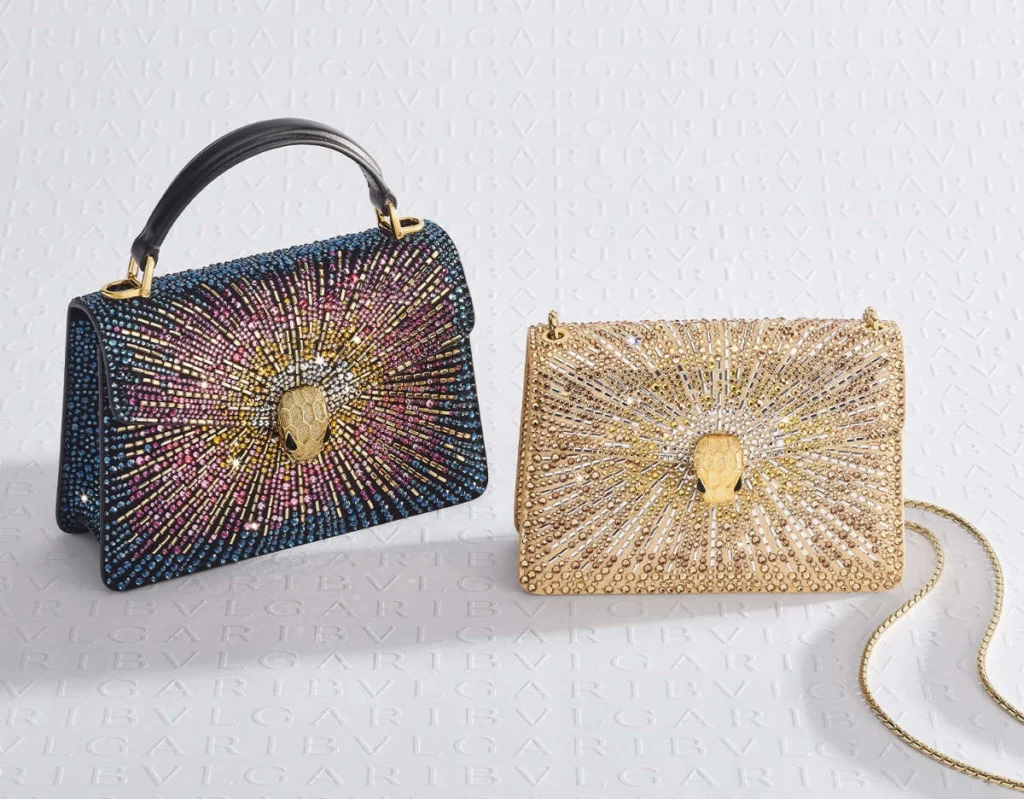
Bvlgari The Roman Renaissance of the 2026 Aesthetic By Editorail Desk As we stand on the precipice of 2026, the global fashion landscape is undergoing a profound reorientation. The frenetic pace of the early twenties, characterised by digital saturation and the rapid turnover of micro-trends, has given way to a yearning for what is enduring, tactile, and intellectually resonant. In this new era, where the consumer prioritises “buying less but better,” Bvlgari has emerged not just as a participant in the luxury market but as the very breath that sustains its most sophisticated aspirations. By seamlessly weaving its ancient Roman soul with the avant-garde requirements of the modern wardrobe, the Maison has positioned itself as the definitive architect of 2026’s “High Craft” movement. The 2026 fashion cycle is defined by a desire for “reorientation and mindful expression,” and nowhere is this more evident than in Bvlgari’s Spring/Summer 2026 leather goods and accessories collection. Under the creative direction of Mary Katrantzou, the brand has executed a masterstroke of design synthesis, where the weight of high jewellery is translated into the suppleness of fine leather. This is the year of the “Jewel-Bag,” a concept that treats the handbag not as a mere utility but as a wearable sculpture.  The revival of the Serpenti Cuore 1968, a heart-shaped silhouette with a metallic handle inspired by heritage watchmaking, serves as the perfect talisman for 2026. It addresses the cultural shift toward nostalgic yet futuristic forms, offering a sense of “playful, rebellious romanticism” that modern fashionistas are using to counter the clinical nature of an AI-driven world. This season, the brand is providing the necessary oxygen for a market gasping for authenticity. The palette for 2026 is one of “Roman Vibrancy”, think Sunbeam Citrine, Tangerine Garnet, and Royal Ruby, colours that are not just visual choices but emotional provocations. These hues provide a vital spark against the soothing, pearlescent neutrals that serve as the base of the contemporary wardrobe. By embedding the Calla motif, inspired by the mosaics of the Baths of Caracalla, into the grain of its leather, Bvlgari is facilitating a cultural dialogue between the feet of the modern woman and the floors of ancient Rome. It is this ability to ground the wearer in history while propelling them toward the future that makes the brand uniquely indispensable in 2026. Sustainability, once a peripheral declaration, has become the baseline of fashion’s survival in 2026, and Bvlgari’s “Sustainable by Innovation” strategy is the gold standard of this transition. The Maison’s commitment to “Creative Circularity” and the LVMH LIFE 360 programme is not merely about recycled materials; it is about the durability of meaning. By 2026, the luxury consumer is no longer impressed by novelty; they demand traceability. Bvlgari’s introduction of “Connected Jewellery”, embedding unique micro-engraved codes to document the origin of every gemstone, is a revolutionary step toward radical transparency. This isn’t just good ethics; it is a new form of luxury where the “story” of the piece is as precious as the stone itself. It provides the “breathe” for 2026 by removing the suffocating weight of ethical uncertainty from the act of purchase. Furthermore, the 2026 aesthetic is heavily influenced by the “Brooch Renaissance” and the return of “Refined Chokers,” trends that Bvlgari has practically invented through its high jewellery archives. The Aeterna and Polychroma collections are the ultimate responses to the year’s desire for “Heirloom-Quality” investment. As silver and mixed metals move to the forefront of the 2026 trend report, Bvlgari’s mastery of the Tubogas technique and its bold use of cabochon-cut gems provide the necessary textural contrast for a season defined by “Material Blending.” The brand understands that in 2026, fashion is a narrative tool. Whether it is a Serpenti necklace that symbolises perpetual rebirth or a Divas’ Dream piece that echoes architectural grandeur, Bvlgari is providing the symbols that help the modern individual navigate a complex global identity. In the realm of high horology, the 2026 fashion need for “Technical Mastery as Aesthetic” is met by the record-breaking Octo Finissimo series. In an age where digital watches are ubiquitous, the mechanical purity of Bvlgari’s watchmaking serves as a quiet rebellion. It is a testament to the fact that true luxury in 2026 is found in the “Pinnacle of Craftsmanship”, the ability to create something that is both incredibly thin and immensely powerful. This duality mirrors the lives of the brand’s global clientele: people who are operating at high velocities but remain anchored by a deep appreciation for the artisanal. Ultimately, Bvlgari in 2026 is a lighthouse of “Intellectual Opulence.” It has successfully moved beyond the transactional nature of retail to become a lifestyle of “Roman Boldness.” Through its hotels, its fragrances, and its unparalleled jewellery, the Maison is providing a holistic atmosphere of elegance that is essential for a world seeking to rediscover its soul. It is a brand that understands that the future of fashion is not in the “new,” but in the “eternal.” By honouring the endless cycle of time and the beauty of nature’s most rare gifts, Bvlgari is ensuring that we don’t just wear fashion in 2026, we breathe it. Would you like me to create a visual mood board description for a 2026 editorial shoot that pairs Bvlgari’s High Jewelry with the season’s leading sustainable fabric trends?

Huda Kattan
business, Top Stories

Huda Kattan, The Global Glamour of an American-Iraqi Beauty Empire

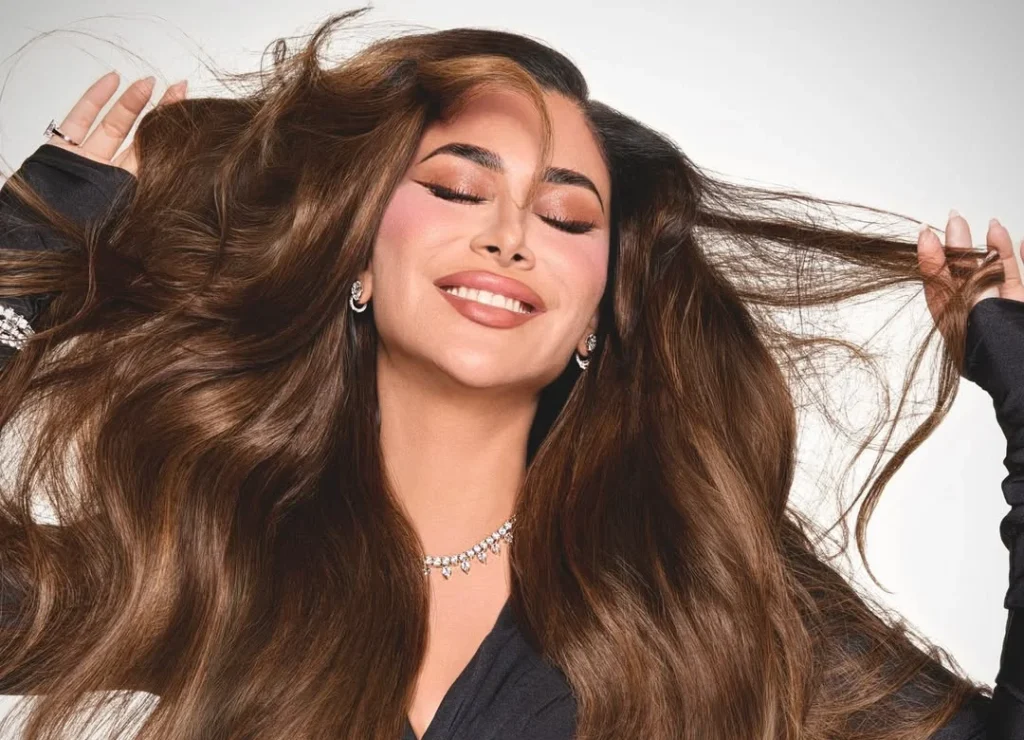
Huda Kattan The Global Glamour of an American-Iraqi Beauty Empire By Tia Holder The story of Huda Kattan is a vibrant tapestry woven from Iraqi heritage, an American upbringing, and the dazzling, borderless ambition of Dubai, a narrative that transcends mere commerce to become a powerful cultural statement, a modern fairy tale of passion and purpose, born not from a boardroom but a blogger’s genuine love for transformation. She was born in Oklahoma, to immigrant parents from Iraq, a childhood steeped in two worlds, a duality that shaped her vision, giving her a unique lens on beauty that blended the Western appreciation for polished technique with the Middle Eastern embrace of dramatic, unapologetic glamour, the kind of beauty that uses the eyes as a canvas for profound expression, often a necessity in a culture where the face is partly veiled and the eyes become the sole focus. This early life, feeling like an outsider in a predominantly white, Christian community, fostered a profound desire for acceptance and a keen eye for the art of self-creation, turning to makeup at the age of twelve as a source of comfort and a tool for building an identity. Her early career path was conventionally academic, majoring in finance at the University of Michigan, a trajectory guided perhaps by a desire for stability, a practical grounding that her parents, as immigrants, likely encouraged, but the corporate world of finance, where she worked briefly in Dubai after moving there in 2006, proved to be a miserable fit for her creative soul, a space that felt stifling, one where she was asked to dress down and wear less makeup to conform.  It was a pivotal rejection, being let go from that job, that she bravely reframed as a sign, an undeniable push toward her true passion. She took the plunge, enrolling in the prestigious Joe Blasco Makeup School in Los Angeles, honing her skills, working with high-profile clients, before returning to Dubai, a city that would become the crucible of her entrepreneurial empire. Dubai, a sprawling, ever-evolving, cosmopolitan metropolis, was more than just a place of residence, it was a land of opportunity, a perfect, fertile ground for her burgeoning dream. It is a city defined by its multiculturalism, a place where people from every corner of the world converge, bringing with them diverse beauty standards and an unquenchable thirst for quality and luxury, a perfect launchpad for a brand focused on inclusivity and high performance. Living and working there, Huda recognised a fundamental truth: the Middle East possesses a deep, ancient, and celebratory relationship with beauty, where intricate makeup is a cultural norm, not just for special occasions, and this environment, with its appreciation for high-impact artistry, gave her an audience that was ready for a new level of glamour. She began in 2010, not with a product line, but a blog, ‘Huda Beauty,’ a digital gathering place where she shared tutorials, tips, and product reviews, using the power of social media, particularly Instagram, to build a direct, transparent, and intensely loyal community. She wasn’t an advertiser, she was a friend, a relatable expert sharing secrets, and this authenticity, this human-like approach, was revolutionary in the heavily filtered world of beauty. Her business life officially began in 2013, sparked by a simple but frustrating gap in the market, a lack of high-quality, impactful false eyelashes that met her professional standards. With a small investment from her sister, she launched a line of lashes, the first Huda Beauty product, a move that quickly disrupted the industry, gaining immediate cult status when they were worn by a global reality television star, an event that instantly catapulted the Dubai-based brand onto the global stage. The brand’s initial success, selling thousands of units quickly, was a clear signal that her vision resonated, speaking to a diverse, global consumer who felt overlooked by traditional Western beauty houses. Huda Beauty, headquartered in Dubai, grew into a formidable global empire, not through conventional advertising, but through the direct and candid connection Huda maintained with her millions of followers, a feat that cemented her as a pioneer of the influencer-to-mogul blueprint. She and her sisters, Mona and Alya, built a brand that was inherently family-run, which added to its relatable, grounded persona, with Mona later co-founding the fragrance arm, Kayali, meaning ‘my imagination’ in Arabic, further weaving their cultural heritage into the business fabric. Her product launches, from the highly-pigmented eyeshadow palettes, often named with a nod to the region like Desert Dusk, to inclusive ranges of foundation shades, consistently cater to the diverse needs of her global community, consciously creating products for a wide spectrum of skin tones and types, a core commitment to inclusivity that the industry sorely needed. Her leadership style, shaped by her early experiences of feeling unheard and a deep-seated drive, is one of intense passion, transparency, and an almost brutal honesty, openly sharing the struggles and the triumphs of entrepreneurship, demystifying the process for her followers. She has, at times, stepped back and returned to the CEO role, a demonstration of the continuous evolution and self-reflection that marks her professional life, showing that even at the helm of a billion-dollar brand, the journey is one of constant work. She has consistently leveraged her platform to speak about social causes, demonstrating a willingness to engage with issues beyond cosmetics, using her influence to advocate for diversity, body positivity, and mental health, even taking a bold stance on global humanitarian crises, proving that her brand is rooted in more than just makeup, it is fundamentally tied to her values. Huda Kattan’s journey, from a girl struggling to find her place in two cultures, to an influential business leader operating from a vibrant, multicultural hub, is a testament to the power of authentic passion and the truly limitless opportunities that can be seized when a personal story is woven into a global enterprise. Her move to Dubai was instrumental, transforming her professional trajectory and allowing her cultural background to become

Isabela Rangel Grutman
Lifestyle

Isabela Rangel Grutman, The Architect of Elevated Authenticity

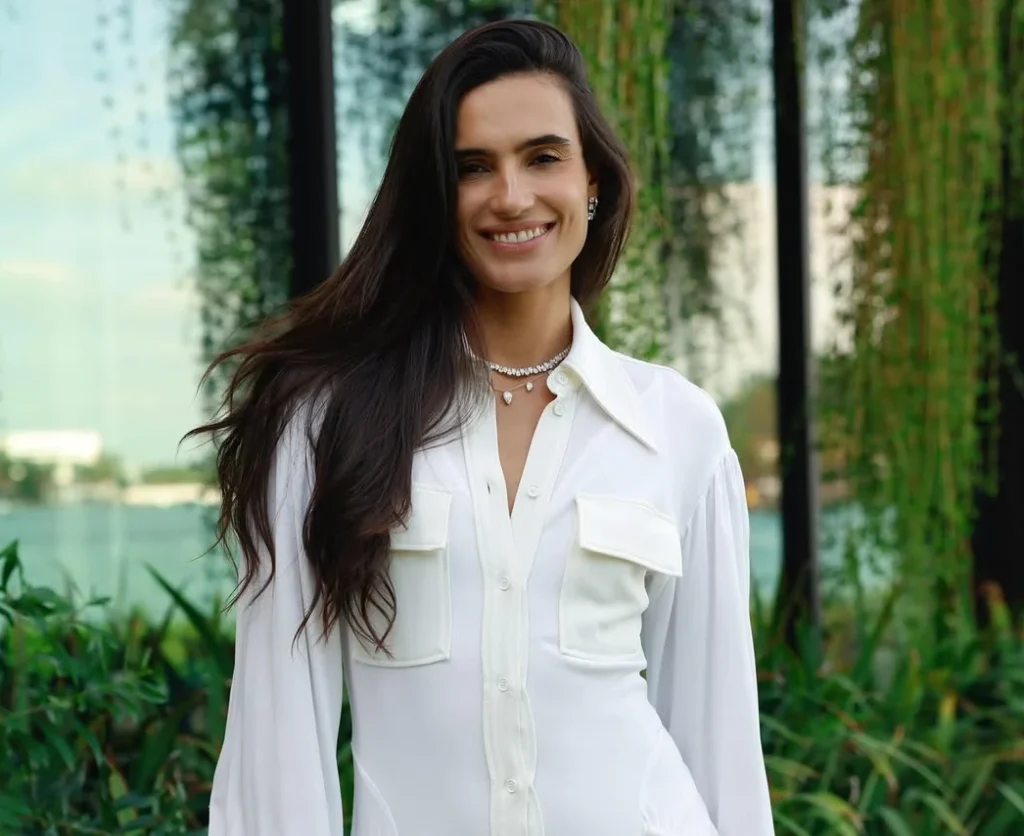
Isabela Rangel Grutman The Architect of Elevated Authenticity By Peter Davis In the sun drenched landscape of modern Miami, where the line between public persona and private ambition often blurs into a neon haze, Isabela Rangel Grutman has quietly constructed a multifaceted empire that feels less like a corporate portfolio and more like an extension of her own nervous system. To observe her trajectory is to witness a masterclass in organic growth, where the transition from high fashion muse to industry architect has been executed with the kind of seamless precision that belies the sheer grit beneath the surface. She does not merely participate in the industries she touches; she reconfigures them to align with a philosophy that prizes longevity over the fleeting adrenaline of a trend. This is the hallmark of a woman who understands that true influence is not shouted from the rooftops but is woven into the very fabric of the community she calls home. Her entrepreneurial spirit is perhaps most tangibly felt in the delicate weight of her jewelry designs. With Isa Grutman, she has moved beyond the ephemeral nature of the runway to create something that possesses a certain gravitational pull. These are not merely accessories; they are intended as modern heirlooms, designed with the foresight of someone who views fashion as a generational dialogue. There is a specific, quiet confidence in a piece of jewelry that is meant to be passed down, and this sense of permanence serves as a counterweight to the fast paced world of hospitality and nightlife that often surrounds her. By focusing on natural gemstones and timeless silhouettes, she has tapped into a desire for authenticity that resonates far beyond the confines of the Design District. It is a venture rooted in the belief that the things we wear should carry stories, acting as talismans of memory in an increasingly digital and disposable age. This same commitment to intentionality permeates her clothing brand, Rangel. Here, the influence of her Brazilian heritage is not a loud, caricatured aesthetic but a sophisticated pulse that informs every stitch. By producing her collections in Brazil and Portugal and insisting on sustainable practices, she has bridged the gap between the vibrancy of her roots and the sleek requirements of a global wardrobe. The brand serves as a bridge between the relaxed sensuality of the South American coast and the urban rigour of her New York years, resulting in a versatile language of dress that speaks to the modern woman’s need for effortless transition. It is a wardrobe for the perpetual motion of contemporary life, designed by someone who knows intimately what it means to balance a dozen different identities before noon. Yet, to look only at her commercial successes would be to ignore the engine of purpose that drives her. Her role as Vice President of Style Saves is not a ceremonial title but a deeply embedded commitment to social equity. In partnership with the local community, she has helped transform a grassroots initiative into a formidable force for good, ensuring that thousands of students are equipped with the dignity and tools required to succeed in the classroom. There is a profound understanding here that confidence is a prerequisite for achievement, and that something as simple as a new uniform or a sturdy backpack can alter the trajectory of a child’s educational experience. This work is the heartbeat of her public service, a 24/7 engagement with the reality that a city’s prosperity is measured by how it treats its most vulnerable members. Even in her role as a partner at IGK Hair, there is a consistent thread of disruption and refinement. She approaches the beauty industry with the same analytical eye she brings to design, focusing on products and experiences that simplify the lives of those who use them. This ability to operate across such disparate sectors while maintaining a cohesive personal brand is a testament to her disciplined focus. She is an expert in the alchemy of team building, surrounding herself with individuals who share her ethos of hard work and genuine passion. For her, business is not a solitary pursuit but a collaborative tapestry, where the strength of the collective determines the height of the reach. Her life in Miami is often described through the lens of glamour, but such a description fails to capture the domestic architecture that keeps it all standing. She navigates the demands of motherhood and high stakes entrepreneurship with a transparency that is refreshing in an era of curated perfection. By involving her daughters in her professional world, she is effectively mentoring the next generation in real time, demonstrating that a career and a family are not competing interests but complementary forces. This holistic approach to living is perhaps her most significant contribution; she represents a new archetype of leadership that is as comfortable in a boardroom as it is on a school run, or in a styling session for a charitable fundraiser. Ultimately, the narrative of Isabela Rangel Grutman is one of synthesis. She has taken the disparate elements of her experience, her modeling career, her cultural heritage, and her philanthropic drive, and fused them into a singular, resonant voice. She is a curator of light and substance, constantly seeking out ways to elevate the mundane into something meaningful. Whether she is designing a gold necklace, selecting sustainable fabrics, or organizing a massive back to school event, the objective remains the same: to create something that lasts. In a world that is often obsessed with the next big thing, she has found her power in the enduring, proving that the most successful brands are the ones that are built on a foundation of unshakeable authenticity.

Haifa Wehbe
Lifestyle, Top Stories

Haifa Wehbe, The Eternal Reign of the Lebanese Diva

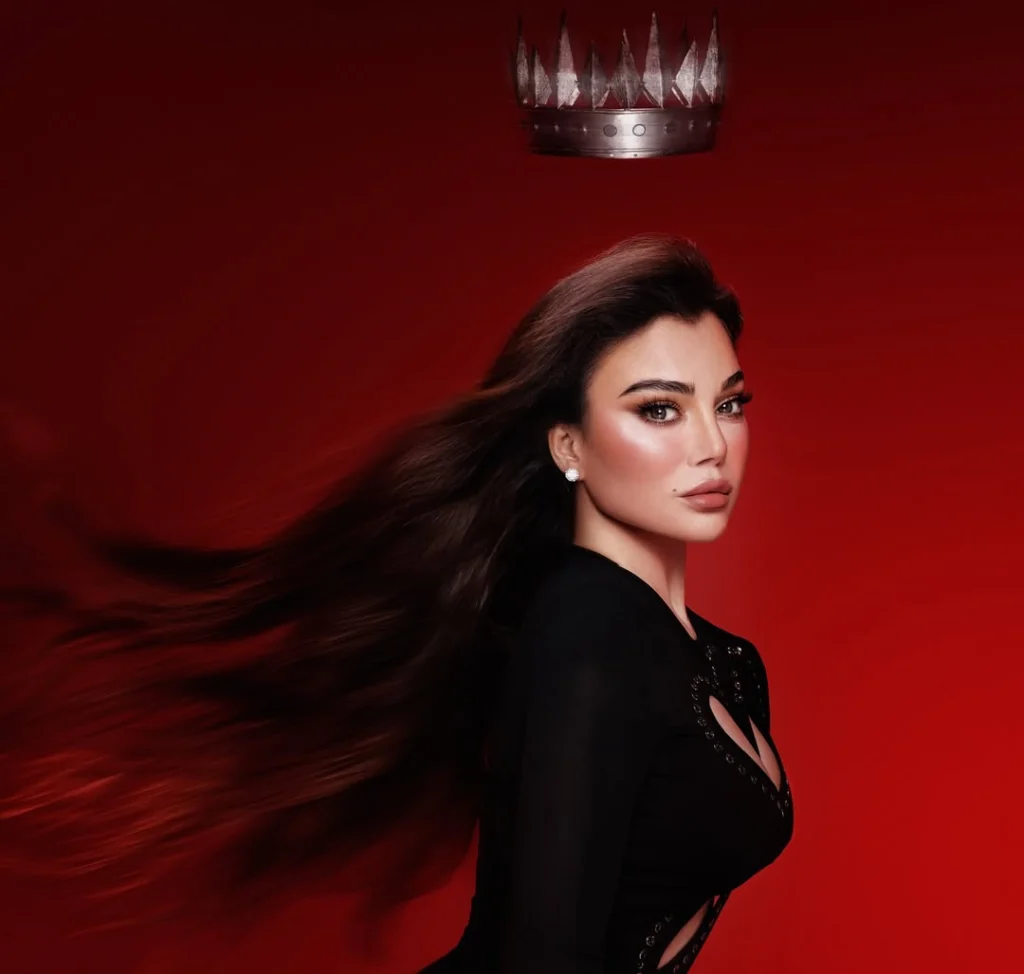
Haifa Wehbe The Eternal Reign of the Lebanese Diva By Hana Chase Few figures in the modern history of Middle Eastern entertainment have commanded as much attention, adoration, and debate as Haifa Wehbe. She is not merely a singer or an actress but a genuine cultural phenomenon who has managed to stay at the very peak of the entertainment industry for over two decades. Born in the small village of Mahrouna in Southern Lebanon to a Lebanese father and an Egyptian mother, her journey from a rural upbringing to the neon lights of Beirut and beyond is the stuff of modern legend. From the moment she first stepped into the public eye, it was clear that the region had found a new kind of icon, one who would challenge traditional norms while simultaneously embracing the rich, rhythmic heritage of Arabic music Her rise began in the world of beauty and fashion, where her striking features and natural poise made her an instant standout. Winning the title of Miss South Lebanon at just sixteen was the first hint of the stardom to come, though her path was not without its early hurdles. A runner-up finish in the 1995 Miss Lebanon pageant ended in a disqualification when it was revealed she had already been married and had a daughter, a revelation that might have ended a lesser career in the conservative climate of the mid-nineties. Instead, it only added to the aura of mystery and resilience that would define her. She pivoted seamlessly into high-fashion modelling, appearing on hundreds of magazine covers and becoming one of the most sought-after faces in the Arab world before she had even recorded a single note of music. When she finally made the transition to singing with her debut album in 2002, the reaction was nothing short of electric. That first record, titled Houwa El Zaman, introduced a sound that was unashamedly pop, danceable, and incredibly polished. It was not just about the music, though; it was the visual package that came with it. Her music videos were cinematic events, often featuring high-fashion wardrobes and choreography that felt years ahead of what her contemporaries were doing. She understood early on that in the digital age, a pop star needs to be a visual feast as much as an auditory one. Songs like Agoul Ahwak became instant hits, proving that she had the charisma to carry a melody as well as a catwalk. By the mid-2000s, Haifa had become a household name, but she was also a lightning rod for debate. Her 2005 album Baddi Aech, which translates to I Want to Live, arrived at a particularly poignant moment in Lebanese history, released shortly after the assassination of Rafik Hariri. The title track became an anthem for a generation seeking freedom and normal life amidst political turmoil. However, it was her more playful tracks, like the infamous Bus al-Wawa, that sparked the most conversation. Critics often took aim at her provocative image, yet her fans saw something different: a woman who was in total control of her narrative and her body. She was a pioneer of what we might now call celebrity authenticity, refusing to conform to the demure, traditional image often expected of female artists in the region. The sheer scale of her fame eventually caught the attention of the West. In 2006, she became the first Arab artist to perform alongside American hip-hop superstar 50 Cent during his concert in Beirut, a moment that symbolised the bridge she was building between Eastern and Western pop cultures. That same year, People Magazine included her in its list of the world’s fifty most beautiful people, a nod to her global appeal. Her film career followed a similar trajectory of high-profile success, starting with the Pepsi-produced Sea of Stars in 2008 and moving into more serious dramatic territory with films like Dokkan Shehata and the controversial yet commercially successful Halawet Rouh. These roles proved she was more than just a pop princess; she possessed a gritty, emotional depth that resonated with cinema audiences across Egypt and the Levant. Her personal life has often been as much a subject of public fascination as her career. From her high-profile marriage to and subsequent divorce from Egyptian businessman Ahmed Abou Hashima to her more recent legal battles with former management, she has lived her life under the most intense scrutiny imaginable. Yet, she has always handled these challenges with a certain steely grace. There is a famous story of a near-fatal accident in 2007 while she was filming a music video, where a small airplane accidentally struck the car she was driving. She emerged with only minor injuries, a moment her fans often cite as proof of her near-supernatural resilience. She seems to possess an innate ability to turn adversity into a narrative of strength, a quality that has kept her relevant while many of her peers have faded away. In recent years, she has embraced the digital era with more enthusiasm than perhaps any other artist of her generation. Her Instagram account is a masterclass in modern branding, a curated gallery of high fashion, behind-the-scenes glimpses, and direct communication with her millions of followers. It is here that she showcases her evolving style, moving from the glittery gowns of her early career to sophisticated, edgy streetwear. In 2019, she even launched her own fashion line, Beau Voyou, which she described as a world of freedom and love. The brand’s use of rainbow colours and its message of inclusivity further cemented her status as a progressive icon, showing that she was not afraid to use her platform to support social causes that matter to her younger, more globalised audience. Musically, she has continued to evolve as well. Her 2018 album Hawwa was a landmark release, produced independently without a major record label. It reached the top of the iTunes charts almost instantly, proving that her name alone was enough to drive massive commercial success. In 2021, her collaboration with Egyptian

Scroll to Top