Magnav MENA

Top Stories

Hanady Mehanna, The Silk Glow Beneath Egypt's Rising Romantic Star
Lifestyle, Top Stories

Hanady Mehanna, The Silk Glow Beneath Egypt’s Rising Romantic Star

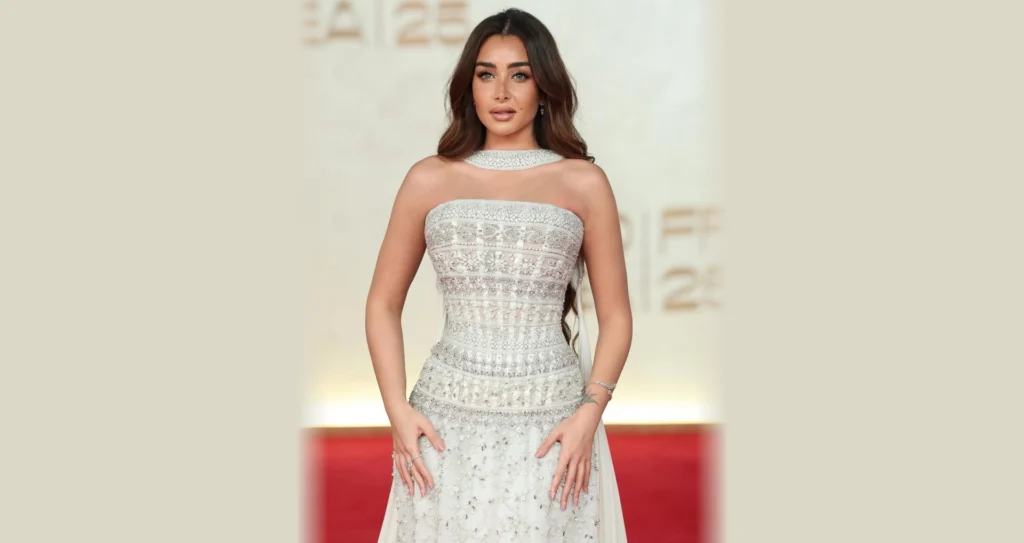
Hanady MehannaThe Silk Glow Beneath Egypt’s Rising Romantic Star By Afef Yousfi Hanady Mehanna carries the kind of presence that feels effortlessly luminous. In a generation of rapidly emerging actresses shaped by social media visibility, intense public scrutiny, and constantly shifting trends, she has distinguished herself through softness rather than spectacle. There is a warmth to Hanady Mehanna that audiences recognise instantly, an emotional gentleness beneath the glamour that allows her to feel both cinematic and deeply approachable at the same time. Since entering Egyptian television and cinema, Hanady has evolved into one of the most recognisable young actresses of her generation, balancing beauty, emotional sincerity, and modern femininity with unusual grace. Yet her appeal extends far beyond appearance alone. Beneath the polished styling, delicate features, and elegant screen presence exists a woman shaped by discipline, artistic heritage, and emotional intelligence. She represents a softer, more emotionally grounded vision of modern Arab stardom. Born into an artistic household, Hanady grew up surrounded by music, performance, and creative expression. As the daughter of celebrated Egyptian composer Hany Mehanna, artistry existed naturally within the rhythm of her upbringing. Yet despite her family background, her relationship with fame never appeared entitled or performative. Instead, she approached the entertainment world with patience and gradual evolution, allowing audiences to discover her through emotional connection rather than manufactured celebrity. Before fully stepping into acting, Hanady studied business administration in Barcelona, an experience that exposed her to different cultures, independence, and a broader understanding of identity beyond entertainment alone. This international influence subtly shaped her public image, giving her a balance between traditional Arab elegance and contemporary softness that feels remarkably natural rather than calculated. Even visually, she carries a distinct aesthetic duality: classic Egyptian femininity softened by European refinement and understated modernity. Her earliest appearances onscreen revealed an actress still discovering her emotional rhythm, yet audiences immediately noticed the sincerity within her performances. Rather than relying upon exaggerated dramatic intensity, Hanady approached characters with tenderness and emotional realism. There was vulnerability in the way she expressed emotion, allowing viewers to connect instinctively with the women she portrayed. That emotional accessibility became one of the defining strengths of her career. Series such as Zelzal, El Fetewa, and Maktoub Alaya demonstrated her growing versatility as an actress. She moved comfortably between romance, drama, and lighthearted storytelling while maintaining the same emotional softness audiences had come to associate with her presence. Even when portraying emotionally conflicted characters, there remained a gentleness beneath the performance that made her deeply watchable. She never performed emotion aggressively. Instead, she allowed it to unfold quietly through expression, silence, and sincerity. What distinguishes Hanady Mehanna most profoundly is the absence of emotional hardness in her public identity. In an entertainment landscape increasingly shaped by calculated personas and excessive performance, she retains an almost old fashioned warmth. Her femininity feels comforting rather than intimidating, elegant without emotional distance. Audiences do not simply admire her beauty. They trust her softness. This relatability became even more apparent through social media, where Hanady cultivated a digital presence rooted in intimacy and emotional openness rather than perfection. While many celebrities construct highly controlled online identities, her content often feels relaxed, affectionate, and emotionally genuine. Whether sharing moments from married life, friendships, family gatherings, or ordinary daily routines, she projects familiarity rather than unattainability. Followers feel they are witnessing fragments of a real woman rather than a carefully managed fantasy. Her marriage to actor Ahmed Khaled Saleh further strengthened this emotional connection with audiences. Together, they quickly became one of Egypt’s most beloved young celebrity couples, largely because their relationship appeared rooted in tenderness and companionship rather than publicity. There is an ease between them that audiences find deeply reassuring, a visible emotional intimacy that feels untouched by performance. In many ways, their relationship embodies the softer romanticism audiences increasingly long for within modern celebrity culture. Beauty and fashion naturally form part of Hanady’s public image, yet her relationship with glamour remains balanced and understated. She carries elegance with softness rather than excess. Whether appearing in couture gowns, minimalist styling, or natural everyday aesthetics, her beauty never overwhelms her humanity. Instead, it feels connected to her emotional energy. There is a calm femininity in the way she presents herself publicly, one that prioritises grace over spectacle. Music also remains quietly woven into her artistic identity. Growing up within a musical household shaped her emotional sensitivity and appreciation for performance beyond acting alone. Even when not actively pursuing music professionally, there is a lyrical softness in her screen presence, a rhythm to her expressions and emotional pacing that reflects artistic instinct inherited through environment as much as training. As her career continues evolving, Hanady Mehanna increasingly represents the changing face of contemporary Egyptian femininity within entertainment. She embodies glamour without aggression, beauty without artificiality, and modernity without emotional detachment. Younger audiences connect with her because she feels emotionally recognisable. Older audiences appreciate the elegance and sincerity she carries into fame. She exists comfortably between generations, preserving softness within an era increasingly dominated by noise. There is also a visible emotional maturity developing within her public identity over time. Fame arrived relatively quickly, yet she navigates visibility with composure and restraint rather than overexposure. She rarely appears consumed by celebrity culture itself. Instead, she seems focused on preserving emotional stability, relationships, and personal grounding alongside artistic ambition. This balance gives her presence unusual longevity within an industry often shaped by burnout and constant reinvention. What ultimately makes Hanady Mehanna memorable is not simply her beauty, talent, or rising success. It is the emotional atmosphere surrounding her. She reminds audiences of tenderness. Of elegance without coldness. Of femininity untouched by performance fatigue. In a digital world increasingly saturated by artificial perfection and emotional detachment, Hanady continues to feel refreshingly human. As Egyptian cinema and television continue evolving through new generations, streaming culture, and shifting audience expectations, Hanady Mehanna stands as one of its most emotionally resonant young stars. She carries within her a rare combination of

Hannah El Zahed, The Glow Between Stardom & Stillness
Lifestyle, Top Stories

Hannah El Zahed, The Glow Between Stardom & Stillness

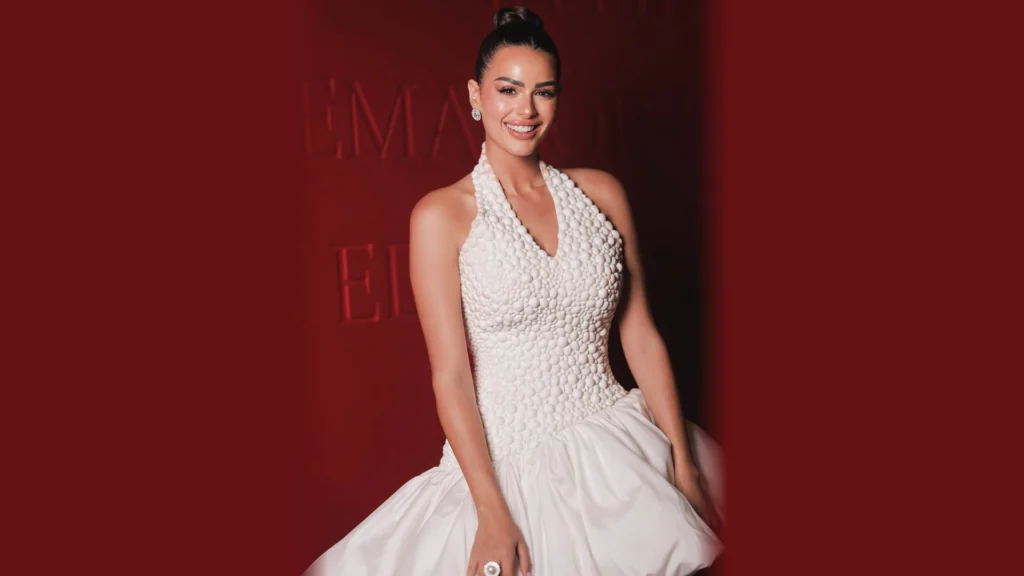
Hannah El ZahedThe Glow Between Stardom & Stillness By Jane Stevens Hannah El-Zahed has mastered something increasingly rare within modern celebrity culture: the ability to remain luminous without appearing untouchable. In an entertainment landscape fuelled by constant exposure, fast moving trends, and carefully manufactured personas, the Egyptian actress carries herself with a softness that feels instinctive rather than strategic. Her presence, both onscreen and online, is built not simply on glamour but on emotional familiarity, the sense that beneath the polished imagery exists someone deeply connected to the realities of ambition, vulnerability, reinvention, and growth. Born in Cairo in 1994, El Zahed entered the entertainment industry at an early age before gradually evolving into one of the Arab world’s most recognisable contemporary actresses. Her career began with small appearances that eventually led to larger television and cinematic roles, allowing audiences to witness her transformation from promising newcomer into leading star. Over the years, she became associated with productions that blended comedy, romance, and emotional storytelling, building a fan base that extended well beyond Egypt itself. Yet what continues to distinguish El Zahed is not merely professional success, but the emotional accessibility she brings to fame. Despite commanding millions of followers across social media platforms, she rarely presents herself as distant or unreachable. Her digital presence feels reflective of the same warmth audiences encounter in her performances, playful at times, elegant at others, but consistently human. Whether posting candid moments from travels abroad or appearing in high fashion editorial imagery, she maintains an atmosphere of ease that allows admirers to feel emotionally connected rather than simply visually impressed. Social media, for El Zahed, has become more than a promotional tool; it is an extension of her evolving identity. Her Instagram account, followed by millions of people across the Arab world and beyond, reflects a carefully balanced mixture of glamour, spontaneity, fashion, and understated intimacy. Rather than relying solely on highly stylised celebrity imagery, she frequently shares moments that reveal humour, softness, and emotional openness. This balance between aspiration and relatability has helped solidify her influence not only as an actress but as a modern cultural figure whose appeal transcends television screens. There is also an undeniable visual intelligence behind the way El Zahed presents herself publicly. Her aesthetic choices, whether in fashion, beauty, or photography, often communicate femininity in a way that feels contemporary without losing timeless elegance. She gravitates towards looks that enhance rather than overpower her natural features, frequently embracing delicate makeup, luminous textures, and silhouettes that convey confidence through simplicity. She has repeatedly been recognised for her ability to move effortlessly between understated beauty and high impact glamour, reinforcing her reputation as both a style inspiration and screen presence. What makes this particularly compelling is the emotional dimension beneath the visuals. El Zahed’s appeal is not rooted solely in appearance, but in the feeling her presence evokes. Audiences often respond to her because she embodies a blend of ambition and sensitivity rarely sustained in celebrity culture for long periods. There is a sincerity in the way she communicates through interviews, performances, and even casual online interactions that prevents her image from becoming overly manufactured. In many ways, she represents a generation of Middle Eastern actresses redefining stardom through emotional transparency rather than unattainable perfection. Her acting career itself reflects this evolution. After initially stepping away from the entertainment world for a period during her youth, El Zahed returned with renewed focus, gradually establishing herself through television dramas and cinematic projects that showcased her range. Productions such as Fel La La Land, El Wad Sayed El Shahat, and Helwa El Donia Sokar contributed significantly to her growing popularity, while film appearances expanded her presence within the wider Arab entertainment industry. Rather than remaining confined to a single genre, she moved comfortably between romantic narratives, comedy, and emotionally driven roles, allowing audiences to connect with different dimensions of her personality. This versatility has become central to her enduring popularity. El Zahed understands how to evolve without losing the recognisable qualities that audiences initially connected with. Even as her projects become more ambitious and her public profile grows internationally, she continues to preserve a sense of emotional softness that feels remarkably intact. This is perhaps why viewers often describe her less as a conventional celebrity and more as someone whose journey they have emotionally followed over time. Her connection with audiences is further strengthened by the openness with which she navigates personal and professional transitions. Public attention surrounding her life has at times intensified, particularly during highly visible moments related to relationships, marriage, and separation. Yet El Zahed has consistently resisted turning personal experiences into spectacle. Instead, she carries herself with restraint and dignity, allowing her work and public presence to speak more loudly than controversy ever could. That composure has only strengthened public admiration, positioning her as someone capable of maintaining grace under extraordinary scrutiny. Creatively, El Zahed appears increasingly interested in growth rather than repetition. Recent public appearances and social media glimpses hint towards new artistic directions and larger projects beyond the familiar frameworks that initially established her fame. Whether appearing in European settings, collaborating on upcoming films, or subtly reshaping her public image, she seems aware that longevity within entertainment requires evolution. Yet unlike many public figures who radically reinvent themselves to remain relevant, El Zahed’s transformation feels gradual and organic, more refinement than reinvention. Fashion also plays an important role in how she communicates this evolution. Her style increasingly blends youthful femininity with polished sophistication, often embracing soft palettes, modern tailoring, and elegant silhouettes that mirror her personal growth. She understands the power of visual storytelling, using clothing not merely as decoration but as an extension of mood and identity. Whether photographed casually abroad or attending high profile industry events, she consistently projects a sense of calm confidence rather than performative extravagance. Still, perhaps the most compelling aspect of Hannah El-Zahed’s public identity is her ability to preserve emotional warmth within an industry often defined by distance. Fame frequently creates
Rabia Zayyat, A Life Between Heritage and Modern Influence
Lifestyle, Top Stories

Rabia Zayyat, A Life Between Heritage and Modern Influence

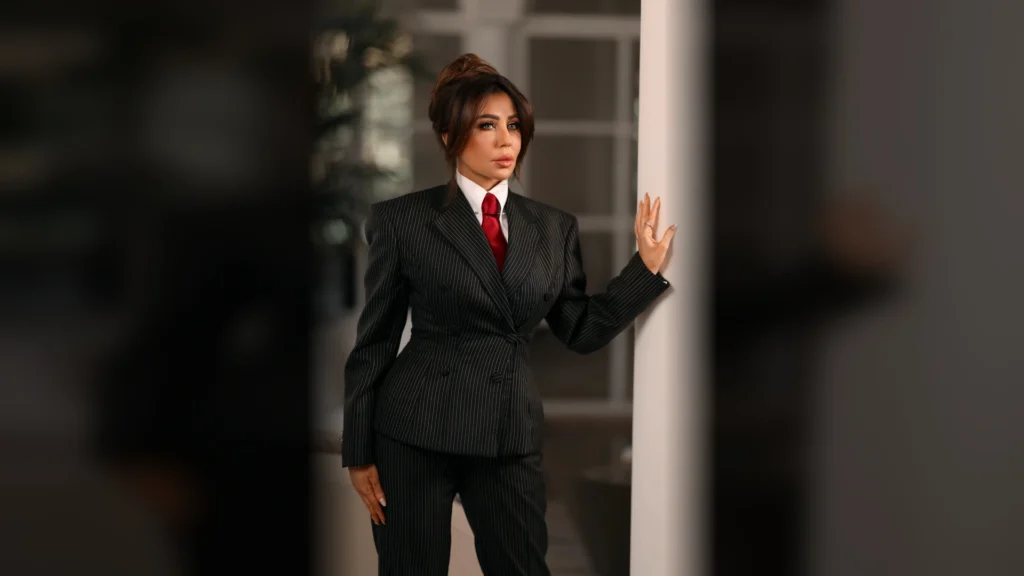
Rabia ZayyatA Life Between Heritage and Modern Influence By Afef Yousfi Rabia Zayyat speaks with a clarity that reflects both conviction and balance, a woman shaped by the rhythm of a fast moving world yet deeply anchored in heritage. She describes herself as a blend of modernity and tradition, someone who embraces progress, beauty, and the evolving language of social media, while remaining firmly connected to her roots. For her, identity is not a choice between past and present, but a dialogue between the two. She carries this philosophy into every detail of her life, from fashion to the design of her home, where contemporary aesthetics meet authentic cultural elements. Even her personal style mirrors this harmony, combining classic Arab and Lebanese influences with her own distinct expression. She believes that true success is impossible without honoring one’s origins, that moving forward should never come at the cost of losing where you come from. Motherhood stands at the center of her journey, not simply as a personal milestone but as the force that reshaped her purpose. Becoming a mother pushed her to seek a more active role in society, to become a voice that contributes and influences. Media became her gateway, first through television and later through social platforms that expanded her reach. Through these channels, she discovered the power of presence and the responsibility that comes with it. Her path was not defined by a single turning point, but by a series of realizations rooted in responsibility toward her children and a desire to help shape a better world for them. Her loyalty to her roots remains non negotiable. While she embraces innovation in fashion and technology, she is selective, choosing only what aligns with her values and lifestyle. The principles she carries were instilled by her family, by her grandmother and mother, and reinforced by her community. She does not claim perfection, but she is intentional in how she translates those values into a modern context, whether through digital content, public speaking, or her involvement in discussions around women, children, fashion, and beauty. Her work is not about preserving tradition in a static form, but about allowing it to evolve without losing its essence. For Rabia, multiculturalism is simple in theory yet profound in practice. It is about accepting differences and being open to others beyond boundaries of race, religion, or nationality. She sees diversity not as a challenge but as a source of richness, an opportunity for dialogue and meaningful exchange. This perspective informs her approach to media and communication, where she seeks depth beyond surface level representation. She acknowledges the dual nature of social media, recognizing its ability to connect while also contributing to superficiality. She supports technological progress and believes it is essential to keep up with the digital age, yet she emphasizes that the real responsibility lies with the individual. Platforms themselves are neutral, but how they are used depends on awareness, ethics, and intention. For her, social media can be a powerful tool for spreading meaningful messages, not just curated images. She senses a growing demand for content that is genuine, positive, and rooted in reality rather than illusion. Balance, she insists, is key, as life itself is layered and cannot be reduced to a single dimension. At the same time, she is critical of the stereotypes amplified by these platforms. The repetition of certain beauty standards and lifestyles creates pressure and often leads to a loss of individuality. She sees this as one of the most pressing challenges of the digital era. Each person, she says, is inherently unique, and the goal should not be to replicate trends but to adapt them in a way that reflects one’s own identity. Awareness becomes the defining factor, the ability to engage with trends without being consumed by them. In her own content, Rabia strives to maintain a human centered approach. She does not separate appearance from substance, but instead presents a complete picture that includes thought, emotion, and experience. Her content shifts with context. In moments of global hardship, she engages with seriousness and empathy. In quieter times, she allows herself to share lighter aspects of life. Regardless of tone, her intention remains consistent, to communicate authentically and share insights drawn from her own experiences without imposing them on others. While her primary audience may be women, her message extends to society as a whole. She views the association of the Arab world with beauty and elegance as a strength rather than a limitation. Rejecting outdated notions that equate beauty with silence or intellect with neglect of appearance, she argues for a more holistic perspective. Appreciation for aesthetics, fashion, and art does not contradict intelligence or influence. Instead, it enhances cultural identity. The issue arises only when appearance becomes the sole focus, something she actively challenges by advocating for both form and substance. Her connection to heritage is evident not only in her philosophy but in the cultural symbols she celebrates. Traditional garments, artistic expressions, and social customs all represent a living identity that continues to evolve without disappearing. She notes how these elements remain visible across the Arab world, particularly in the Gulf, and expresses a desire to see them embraced even more widely. Beyond aesthetics, she highlights the enduring strength of family bonds, social cohesion, and shared traditions, all of which persist despite rapid modernization. Rabia is also aware of the misconceptions surrounding Arab women in fashion and beauty, particularly the growing trend toward uniformity. She sees a concerning pattern where individuality is being replaced by imitation, driven by social pressures and digital influence. Her response is rooted in awareness and education, encouraging women to embrace their uniqueness rather than conform to a single standard. Progress in beauty and technology, she believes, should enhance identity, not erase it. Balancing authenticity with the demands of the digital world, in her view, comes down to awareness. Every piece of content shared online becomes part of one’s identity, a reflection of values and choices.

Scroll to Top