
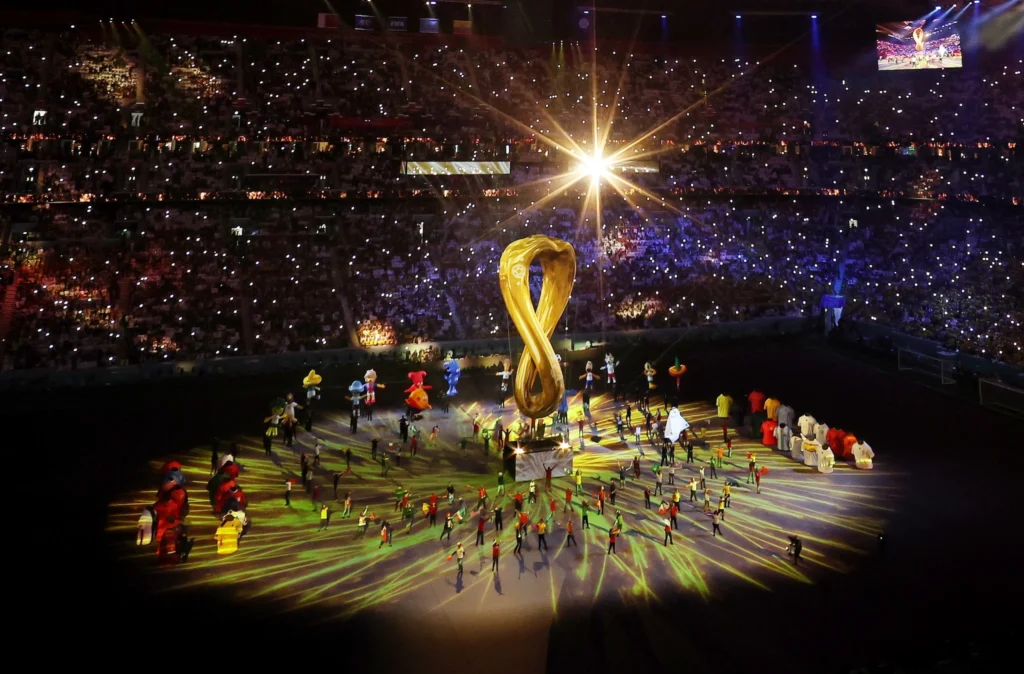
The Middle East’s Billion-Dollar Sports Revolution
From Desert Dreams to Global Arenas The Middle East’s Billion-Dollar Sports Revolution By Amna Kanwal The Middle East is rewriting the rules of the global sports industry. Once known primarily for its vast oil reserves, the region is now becoming synonymous with world-class sports events, groundbreaking investments, and an ambitious vision for the future. From hosting iconic tournaments to developing state-of-the-art infrastructure, the Middle East is proving that it’s not just a participant in global sports, it’s a leader. Take Saudi Arabia, for example. By 2030, the kingdom’s sports industry is projected to reach an astonishing $22.4 billion. Beyond financial growth, the country’s efforts to bring international stars like Cristiano Ronaldo into its football leagues have captured global attention. Events like the Saudi Cup horse race, Formula 1 Grand Prix, and the launch of LIV Golf underscore the region’s growing dominance on the global sports stage. But Saudi Arabia isn’t acting alone. The broader Middle East and North Africa (MENA) region is seeing a surge in sports market revenues, expected to grow from $4.79 billion in 2024 to $5.57 billion by 2029. The region’s investment in technology, sponsorships, and broadcasting is not only elevating sports entertainment but also creating job opportunities, boosting tourism, and driving economic diversification. This transformation isn’t limited to traditional sports. Esports and cricket are thriving, while sports broadcasting rights are becoming an increasingly valuable asset. The region’s young, internet-savvy population ensures that innovations in sports tech and streaming will continue to shape its future. The Middle East is on a mission: to become a global powerhouse in sports. With bold ambitions, strategic investments, and a commitment to excellence, the region is proving that it’s more than ready to take center stage. Key Trends in the Middle East Sports Industry The Middle East’s sports industry is booming, with several key trends shaping its trajectory. These trends reflect not only the region’s ambitions but also its ability to adapt to global demands and innovate within its unique cultural and economic landscape. First, there is the rapid growth of the sports equipment market. Expected to reach $24.7 billion by 2030, this sector is driven by a growing emphasis on health, fitness, and athletic performance. Gyms, schools, and even local communities are investing in high-quality equipment, which in turn supports the development of professional and amateur athletes alike. Another trend is the significant rise in sports sponsorships. Major companies are partnering with sports organizations, teams, and events, recognizing the lucrative opportunities that sponsorships bring. This market, projected to hit $2110.5 million by 2031, is a vital component of the region’s sports economy. Sponsorship deals with global brands elevate the status of local events and enhance their appeal to international audiences. Technology is also playing a transformative role. The sports technology market, valued at $872.5 million in 2023, is revolutionizing the way fans and athletes engage with sports. Innovations like wearable devices, data analytics, and virtual reality are enhancing training, performance, and fan experiences. This tech-driven evolution ensures that the Middle East stays at the forefront of modern sports practices. Esports is another standout trend. With a predominantly young and tech-savvy population, the Middle East has become a hotbed for competitive gaming. The growth of esports tournaments, sponsorships, and dedicated gaming venues demonstrates the region’s commitment to this modern and highly profitable segment. Finally, the Middle East’s focus on hosting high-profile events has solidified its reputation on the global stage. From the FIFA Club World Cup to Formula 1 races, these events draw millions of viewers and contribute significantly to tourism and economic activity. This trend will only grow stronger as the region continues to secure hosting rights for major international tournaments. Saudi Arabia: Shaping a Legacy in International Sports Saudi Arabia has emerged as a global sports powerhouse, blending ambition with strategic investment to reshape its image and economy. In recent years, the kingdom has made headlines for hosting over 100 international events, including the FIFA Club World Cup, the Saudi Cup horse race, and Formula 1 races. These events not only bring global attention but also attract millions of dollars in tourism and economic activity. Football has become the crown jewel of Saudi Arabia’s sports ambitions. The signing of Cristiano Ronaldo by Al-Nassr FC marked a pivotal moment, catapulting the Saudi Pro League into the global spotlight. This move has drawn international fans, enhanced the league’s competitiveness, and inspired young Saudi players. The country’s bid to host the 2034 FIFA World Cup, which it successfully secured, further cements its status as a major player in the world of football. But the story doesn’t end with football. Saudi Arabia has also disrupted the golf world with the launch of LIV Golf. Positioned as a rival to established tours like the PGA and DP World Tour, LIV Golf underscores the kingdom’s ambition to dominate multiple sports. With significant financial backing and an eye for innovation, Saudi Arabia is changing the narrative around what’s possible in global sports. Additionally, the country’s investment in sports infrastructure is unparalleled. From building state-of-the-art stadiums to creating training facilities for athletes, Saudi Arabia is laying the groundwork for long-term success. These developments not only enhance the local sports ecosystem but also position the kingdom as a preferred destination for international events. The economic impact is equally impressive. The sports industry creates jobs, stimulates local businesses, and drives tourism. By aligning its Vision 2030 goals with sports, Saudi Arabia is transforming itself into a hub of entertainment, culture, and global collaboration. From the Pitch to the World Stage, Rise in Global Football Football has become a transformative force in the Middle East, uniting diverse communities and driving significant social, economic, and cultural advancements. The region’s growing investment in football infrastructure, such as state-of-the-art stadiums and training facilities, has elevated the sport’s prominence on both regional and global stages. High-profile events like the FIFA World Cup in Qatar have showcased the Middle East’s capability to host world-class tournaments, attracting millions of fans and fostering a deeper appreciation