Magnav MENA

Lifestyle

Cultural Fusion: The New Middle Eastern Creative Wave
Lifestyle

Cultural Fusion: The New Middle Eastern Creative Wave

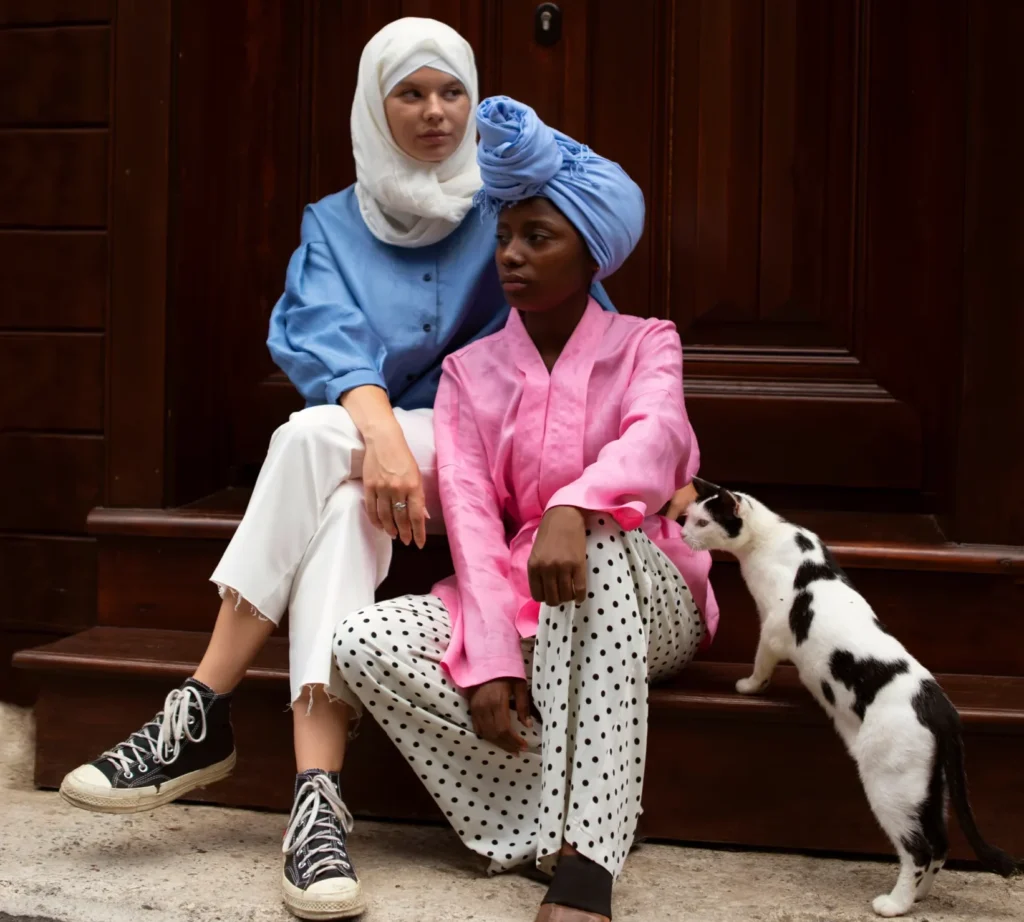
Cultural Fusion The New Middle Eastern Creative Wave By Marina Ezzat Alfred Lately, the Middle East has become a really exciting center for creative work, a fascinating mix of old traditions and what’s hot in the global art scene right now. Artists, filmmakers, designers – even musicians – are all drawing on their incredible cultural history while also taking on modern ideas, creating a super diverse and unique artistic world. This piece looks at how this blending of cultures is changing art in the region, focusing on some of the key people and artistic trends leading this fresh wave of creativity. Landscape of Cultural Fusion The Middle East boasts a vibrant mix of cultures, languages, and traditions. This incredible diversity has always shaped its art and design, but now, in the 21st century, a fresh wave of artists is pushing creative boundaries.They’re brilliantly blending their local heritage with global influences, you see. It’s not just a simple mash-up of styles; it’s a genuine conversation between past and present, resulting in amazing creations that connect with people both at home and around the world. Influences of Heritage Heritage is a huge part of how many artists in this region create their work. They often take traditional designs, skills, and stories and give them a modern twist. Take calligraphy, for example – it’s hugely important in Islamic culture – and you see contemporary artists completely reinventing it. El Seed, a French-Tunisian artist, blends graffiti with Arabic calligraphy, making massive murals that celebrate both his background and the city.  His art really shows how you can bring old traditions into the modern world and share them with new people. It’s the same with textiles and patterns in fashion design. Zaha Hadid, that amazing Iraqi-British architect, used geometric patterns from Islamic art in her buildings, making structures that are both brand new and deeply connected to her roots. It’s a way to honor the past, but also to put Middle Eastern styles right into the middle of global design conversations. Global Aesthetics and Modern Influences Heritage is still a big deal, of course, but Middle Eastern artists are really embracing global styles these days. This mixing of ideas makes their work richer, you know?  It lets them express themselves in more interesting ways that speak to all sorts of people. Take Nadine Labaki, a Lebanese filmmaker – she makes movies about universal themes, but they’re always grounded in Lebanese life. Her film *Capernaum*, for example, got huge international praise for its honest look at kids and poverty in Beirut. It perfectly shows how a very local story can still connect with people everywhere. Social media’s been a game-changer too. It lets artists share their work with the whole world, leading to all kinds of collaborations that ignore borders. This online connection has built a real sense of community, encouraging them to experiment and talk to each other.  It’s all blurring the lines between what’s “local” and what’s “global” even more. Role of Festivals and Institutions In the MENA region, cultural festivals and institutions are absolutely key to driving this creative surge. Think Dubai Design Week or the Sharjah Biennial – they’re amazing platforms showcasing artists and designers, really fostering collaboration and new ideas. These events don’t just spotlight local talent; they draw in international artists too, sparking dialogue and exciting exchanges. Organizations like the Arab Fund for Arts and Culture are equally vital, supporting emerging artists and letting them explore their identities through their art.  Funding projects that cleverly blend traditional and modern styles, they’re instrumental in shaping the next wave of Middle Eastern creativity. Impact of Technology Technology’s a huge part of the cultural melting pot happening in the Middle East. Digital tools and online platforms let artists play around with new ways of creating and reach a much bigger audience. Think virtual and augmented reality – artists are using them to make really immersive art that grabs people’s attention in exciting new ways.  Take Alaa Minawi, a Syrian artist, for instance; she uses tech to mix traditional storytelling with modern digital art, making pieces that really make you think and want to get involved. What’s more, e-commerce has blown up, giving designers a global stage to show off their work, cutting out the middleman of traditional shops. This opens things up for local craftspeople to compete worldwide, supporting sustainable practices and keeping traditional skills alive. Profiles of Notable Creatives Hanan al-Najjar, a leading Emirati filmmaker, delves into identity and belonging in her short films. She seamlessly blends traditional Emirati culture with commentary on modern social issues, resulting in a captivating mix of old and new. Joud Al-Masri, a Palestinian fashion designer, similarly uses her heritage as a springboard for contemporary designs. Her clothing line features traditional embroidery techniques, yet boasts modern cuts, attracting a worldwide following. Lebanese illustrator and graphic designer, Maya Zankoul, tackles social issues with humor and sharp wit. Her lively illustrations explore both local and global themes, sparking conversation and connection across borders. Finally, Egyptian photographer and filmmaker Youssef Nabil masterfully fuses nostalgia and modern aesthetics. His striking portraits evoke the region’s rich cinematic history, while employing cutting-edge techniques, creating a beautiful link between past and present. Challenges and Opportunities Cultural fusion’s blossoming in the Middle East is exciting, but it’s not without its hurdles. Political turmoil, uneven economic landscapes, and censorship all create obstacles for artists, silencing some voices.  Yet, artists there are incredibly resilient, pushing forward with their powerful work, shaping the cultural scene. What’s more,  growing global interest in Middle Eastern art is opening doors. Collaboration is easier, and more people are seeing their work. The international art world’s embracing Middle Eastern artists, giving them a chance to shine and find support. Middle Eastern culture’s amazing new fusion is a powerful reflection of its deep history and how it’s so actively embracing global art.  Modern artists, filmmakers, and designers are pushing creative boundaries, cleverly mixing old traditions with modern ideas. The result?  Exciting new works
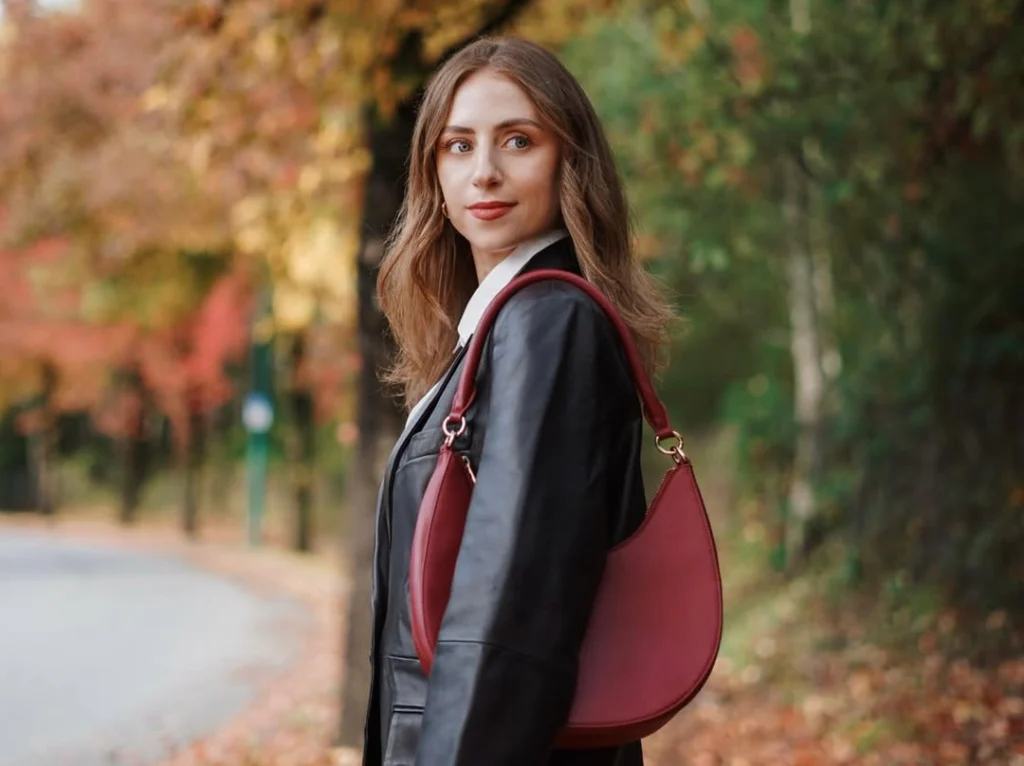
Voice, Vision, and Viral Grace The Rise of Laila Mourad
Lifestyle

Laila Mourad: Voice, Vision, and Viral Grace

Voice, Vision, and Viral Grace The Rise of Laila Mourad By Paul Smith In a digital landscape filled with noise, it takes something special to be heard. Laila Mourad, known to her growing audience as a content creator, founder, and podcast voice, is one of the few breaking through with purpose and personality. With 1.5 million Instagram followers, a TikTok presence that blends humor and insight, and a podcast redefining Arab female narratives, Laila is not just influencing, she is reshaping how stories are told. Rooted in culture, driven by curiosity, and fueled by a mission to create value, her journey from online storyteller to media entrepreneur is a playbook in modern authenticity. At the heart of her work is a quietly revolutionary mindset. You do not have to choose between being smart, stylish, or spiritual. You can be all three. As the founder of TakT Official, Laila leads a brand that fuses empowerment with aesthetics. Whether designing products, curating digital experiences, or guiding a growing team, she embodies what it means to be a purpose-led entrepreneur in a world of fleeting trends. Her business reflects her personality: bold, intentional, fun, and rooted in community. But Laila’s influence reaches far beyond business. As co-host of Podcast Ladly, she has created a conversational sanctuary for Arab women navigating identity, ambition, relationships, and self-growth. The podcast does not speak at its audience, it speaks with them, echoing the real, unfiltered voices of the region. Laila’s presence on the mic is natural, sharp, and disarming. She does not posture. She opens up. Whether discussing burnout, societal pressure, or navigating modern love, she brings vulnerability to the forefront and invites others to do the same. On Instagram, where she has posted over 1,100 times, Laila curates a visual diary that reflects her growth. From founder reflections and podcast clips to lifestyle shots and intimate captions, each post is a chapter in a story that feels both personal and universal. She does not edit herself to fit an algorithm. Instead, she plays by her own creative rules, sharing her truth without filters or façades. The result is not just engagement, it is connection. Her TikTok channel is where her humor and spontaneity shine. Here, Laila shares bite-sized moments that feel immediate and real. She dances, jokes, reacts to trends, and delivers quick, punchy takes on life’s quirks. With millions of views and thousands of interactions, she has turned short-form content into a platform for self-expression and shared joy. It is this balance between polished professionalism and raw relatability that makes her presence so magnetic across platforms. What sets her apart is intention. Laila is deeply aware of what her platform means, not just to her, but to those watching. She understands that representation is not a trend, it is a responsibility. Her content choices reflect a commitment to empowering others, especially women, to take up space, speak their truth, and trust their path. In her world, influence is not about perfection. It is about presence. As a founder, Laila has turned TakT Official into more than a business. It is a brand with soul. With thoughtful design, culturally inspired collections, and values-driven messaging, TakT resonates with a generation craving depth. It stands as a reflection of Laila herself: refined but accessible, strong yet warm, rooted in culture but open to evolution. She proves that entrepreneurship, when led with clarity and care, becomes a form of storytelling. In every role she holds, from podcast host to creative director, Laila brings consistency and courage. She belongs to a growing generation of Arab women creators who are defining the region’s digital future with both pride and precision. Whether she is speaking about ambition, wellness, or identity, her tone remains grounded. She never tries to be someone else. She leans fully into who she is. One of her greatest strengths is how effortlessly she merges tradition with modernity. One day, she is in a classic abaya speaking about spiritual balance. The next, she is breaking down business insights in a sleek blazer. Her ability to move between these worlds without contradiction speaks volumes about her cultural intelligence and creative agility. This fluidity extends to her partnerships. Laila has worked with major brands, but she does so with intention. Her collaborations are based on alignment, not just aesthetics. Whether promoting beauty products or lifestyle experiences, she ensures that the message fits the mission. Her audience trusts her because she never compromises her voice. Through it all, she remains refreshingly honest. Laila has spoken openly about the challenges of growing a brand, managing digital fatigue, and dealing with the vulnerability that comes with being visible. She shares the lessons behind the highlights, offering not just inspiration, but realism. In doing so, she humanizes success and makes it feel more possible for others. What makes Laila’s journey so compelling is that she is not just building a brand or collecting followers. She is building community. Her platforms feel like conversations. Her fans do not just engage, they relate. They feel seen. They feel inspired. She reminds them that they too can dream, create, lead, and evolve. As she looks ahead, Laila shows no signs of slowing down. Her vision is expanding. There are whispers of new projects, mentorship programs, even creative retreats. What is certain is that whatever she builds next will carry the same heart, clarity, and creative spirit that defines everything she touches. Laila Mourad is not just a content creator. She is a cultural voice, a creative architect, and a quiet revolutionary shaping the future of media, business, and representation in the Arab world. Her story reminds us that power comes not from how loud you speak, but from how truthfully you live. In a world saturated with content, Laila offers something rare: depth, warmth, and unwavering direction. She is not here to fit in. She is here to lead. And she is just getting started.

Payal Shah
Lifestyle

Payal Shah Designing with Soul, Innovating with Intention

Designing with Soul, Innovating with Intention The Multifaceted World of Payal Shah By Aayushi Hitesh Shah In the ever-evolving landscape of fashion, wellness, and technology, few individuals embody the harmony of creativity and consciousness quite like Payal Shah. A dynamic force in the luxury jewelry industry and a forward-thinking tech entrepreneur, Payal blends art, innovation, and mindful living in everything she touches. Her journey is a testament to the power of intuition paired with strategy, and to the belief that design should not only be beautiful but meaningful. At the helm of two distinctive jewelry brands and several passion-led ventures, Payal Shah stands as a beacon for modern entrepreneurship, especially for women seeking to balance elegance with ethics, and style with substance. Her first jewelry brand, L’ Dezen, remains close to her heart described as fine jewelry with an architectural soul. With its bold, sculptural designs, the collection speaks to collectors and red-carpet moments. In contrast, Psylish her newer venture is the cool, younger sister: everyday diamond jewelry for the modern, on-the-go woman who wears her pieces from workout brunches to dinner parties. Where L’ Dezen is about storytelling and craftsmanship, Psylish is about adaptability, youthfulness, and ease. Payal’s creative journey was rooted in her background in interior architecture, which deeply informs her aesthetic. She’s always been drawn to structure, form, and the play of light, and jewelry became a microcosm through which she could channel that passion. Over the years, her design philosophy evolved from creating pieces for the “wow” factor to designing with purpose—each piece telling a story, solving a function, or aligning with her vision of conscious luxury. Innovation extends far beyond design in Payal’s world. With Gemerator.AI, she’s reshaping the jewelry industry through artificial intelligence. The agency equips jewelers with AI tools that assist in everything from instant design generation to AI-powered sales assistants and marketing campaigns. Her goal is to free creators from time-consuming tasks, allowing them to focus more on connection, craft, and commerce. She believes in leading with instinct, backed by data. Her decision-making is guided by gut feelings that are refined through research and feedback. To Payal, innovation is intuition in motion, knowing when to trust inner vision and when to sharpen it through technology. This balance of heart and hustle also extends to her wellness ventures. With Tichi Getaway, her Bali villa designed as a luxurious escape, and LivWell, a wellness brand that brings ancient rituals to modern lifestyles, Payal expresses her belief that wellness isn’t a luxury it’s a necessity. These spaces reflect her commitment to intentional living, rooted in the need for disconnection, recalibration, and spiritual restoration. Even amidst her busy schedule, wellness remains a non-negotiable. She prioritizes clean eating, intermittent fasting, red light therapy, walking meditations, and breathwork. For her, wellness is not about longevity. it’s about prevention and living with vitality and presence. Time for family, friends, and stillness is just as sacred as her business ventures. A committed advocate for sustainability, Payal promotes plant-based living through the #VeganPieChallenge and incorporates ethical practices across her businesses. From conflict-free stones and recycled gold to upcycling older designs, she believes in slow, thoughtful production and educating consumers on the value of conscious consumption. Responsible sourcing is a cornerstone of her business ethos. Payal ensures transparency by working directly with ethical factories, avoiding overproduction, and encouraging customers to reimagine older jewelry into modern, personalized designs. It’s not just about making beautiful thingsit’s about making them responsibly. To young women walking the path of entrepreneurship, Payal shares a powerful message: your uniqueness is your superpower. There is no set blueprint, and that’s the beauty of the journey. She champions curiosity, kindness, consistency and the boldness to ask for what you want. That simple courage, she says, has opened more doors for her than any perfect plan. As she looks toward the future, Payal hopes her legacy lies not just in the beauty she’s created, but in the space she’s opened for others. Whether through a piece of jewelry, a retreat in Bali, or an AI platform, her goal is to spark joy, ignite ideas, and foster a world where creativity meets consciousness.

Leana Deeb
Lifestyle

Leana Dee Strength, Spirit, and the Rise of a New Wellness Icon

Leana Deeb Strength, Spirit, and the Rise of a New Wellness Icon By Jane Stevens In a digital world oversaturated with fleeting trends and cookie-cutter influencers, Leana Deeb is a breath of fresh air, a woman rooted in purpose, strength, and a deep sense of identity. A proud Palestinian-Uruguayan, Leana has become a global figure in the fitness and wellness community, capturing hearts not just with her workouts, but with her message of faith, empowerment, and authenticity. At first glance, Leana’s social media presence reflects a polished, aesthetically pleasing fitness journey. But beyond the impressive physique, high-quality content, and partnerships with leading global brands like Gymshark and Bloom Supplements, there lies a deeper story, one of resilience, discipline, and an unwavering connection to her roots and faith. Leana’s ascent didn’t happen overnight. Her journey started with a passion for health and movement, but it quickly evolved into something much more meaningful. She realized early on that fitness, for her, was a gateway, not just to physical transformation, but to mental clarity, spiritual growth, and personal power. By merging wellness with faith, and identity with intention, she began to build something rare: a platform that doesn’t just sell fitness, but inspires holistic self-respect. From the start, Leana made it clear that her approach wasn’t about surface-level results. It was about honoring the body as a gift from God, developing discipline, and fostering community. Her content reflects that ethos, structured training programs, motivational reflections, and faith-based affirmations all woven into a consistent message of self-betterment through divine alignment. It’s no surprise that her platform, Uplift You, has become more than a fitness app; it’s a movement. What makes Leana stand out in an industry often clouded by comparison and vanity is her refusal to compromise on her values. She proudly wears her hijab, speaks about her connection to Islam, and openly celebrates her Palestinian heritage, all while existing at the forefront of the Western fitness space. Her visibility challenges outdated narratives, offering a modern image of what a strong, successful, Muslim woman looks like. And for her massive audience, especially young women navigating identity and faith in complex environments, she is both a role model and a source of strength. Partnerships with powerhouse brands like Gymshark and Bloom Supps haven’t changed her core. Instead of adapting to fit the industry mold, Leana has brought her own mold to the industry and companies are taking notice. Her authenticity has become her greatest asset, earning her respect not just as an influencer, but as a leader in the wellness space. But beyond the brand deals and social media success, Leana remains deeply connected to her purpose. She often speaks of how her journey is guided by faith, repeating “All praise is due to the Most High” with sincere conviction. That gratitude flows through everything she does, from her disciplined workout routines to her mentorship of others. Her message is clear: strength comes from alignment with your values, your Creator, and your highest self. It’s this blend of spiritual devotion, cultural pride, and physical mastery that makes Leana Deeb a standout figure not only in the Middle East but across the global diaspora. For many Arab and Muslim women, she represents possibility, a life where you don’t have to choose between tradition and ambition, modesty and confidence, identity and success. Leana’s mission is not just to help people transform their bodies, but to elevate their mindset and self-worth. Through Uplift You, she provides access to her signature training methods, motivational tools, and community support. But more than that, she provides a vision of what it means to live with purpose. Whether it’s a high-intensity workout, a faith-based journal entry, or a post reflecting on Palestine and its people, her voice always returns to the same place: truth, service, and self-love rooted in something bigger. In an era where influencers often chase virality, Leana is building something lasting. She is cultivating a brand that doesn’t just speak to trends, but to values. She is showing the world that Muslim women can lead global fitness movements, that Arab identity is not a limitation but a power, and that wellness is most effective when it includes the soul. As her platform continues to grow, so does her impact. She is redefining wellness for an entire generation, one that is global, diverse, and spiritually conscious. Through her work, Leana is not just helping people achieve physical goals. She is helping them come home to themselves. Leana Deeb is more than a fitness coach. She is a cultural force, a spiritual light, and a woman of vision. And as she continues to build, inspire, and lead, one thing remains constant: she does it all with humility, faith, and fierce pride in where she comes from. This is only the beginning for Leana Deeb. Her journey is a powerful reminder that strength is not just about lifting weights, it’s about lifting others. And in that, she is truly unmatched.

Cemre Baysel
Lifestyle

Cemre Baysel Turkey’s Rising Star of Screen and Style

Cemre Baysel Turkey’s Rising Star of Screen and Style By Jane Stevens The Turkish entertainment industry has long been a powerful force in global television, producing richly layered dramas, vibrant romances, and compelling characters that captivate audiences not just in Turkey, but across the Middle East, Europe, Asia, and Latin America. At the heart of this thriving cultural phenomenon are Turkey’s talented actresses who bring these stories to life. These women are not only the faces of popular series but also influential figures in fashion, culture, and social media. Among this dynamic group, one name has emerged with a blend of elegance, authenticity, and promise, Cemre Baysel. Born on February 5, 1999, in İzmir, Cemre Baysel has quickly become one of the most talked-about stars in the Turkish entertainment scene. Her journey from a fine arts student to a leading actress and admired fashion influencer showcases a rare combination of visual artistry and on-screen charisma. With each role, she continues to distinguish herself not just as a performer but as a personality shaping the contemporary image of Turkish womanhood in media. Cemre’s artistic side developed at a young age. She attended the Painting Department of Buca Işılay Saygın Fine Arts High School, where her love for visual creativity was nurtured. She then pursued further education in art at Ege University, signaling a strong commitment to the world of aesthetics and design. However, it was her interest in storytelling and performance that led her to acting, and by age 15, she had already made her debut on television. Her first role came in the hit comedy series Yeşil Deniz (2014–2016), where she played Gonca Makasçı. The series was widely appreciated, and Cemre’s performance stood out for its natural charm and emotional honesty. This early exposure allowed her to explore different genres in the years to come. In 2017, she took on a role in the crime drama İsimsizler, followed by an appearance in the historical series Payitaht: Abdülhamid as Firuze. These roles helped her demonstrate her range and versatility, establishing her as more than just a fresh face on screen. Her breakthrough came with the character Melis Çelen in the family drama Elimi Bırakma (2018–2019). The role brought her greater visibility and critical appreciation, and it helped solidify her place in the industry. Soon after, she took on her first lead role in Sol Yanım (2020–2021), portraying a complex and relatable character in a romantic drama setting. However, it was in Baht Oyunu (2021) where she truly won the hearts of the public. Playing Ada Tözün, a spirited and optimistic young woman navigating love and destiny, Cemre delivered a performance filled with charm and emotional resonance. Her chemistry with co-star Aytaç Şaşmaz captivated fans and soon spilled into real life, with the two actors becoming a couple during the show’s production.  The relationship added further media attention and endeared her even more to her growing fanbase. In 2022, she continued to captivate audiences with her lead role in Senden Daha Güzel as Efsun Armağan, a dermatologist from Gaziantep who moves to Istanbul. The story allowed her to mix humor, romance, and emotional growth in a way that further cemented her range as a performer. In Sakla Beni (2023), she played İncila, a character caught in the complexities of relationships and personal transformation. Each new project revealed new facets of Cemre’s ability to inhabit emotionally charged characters with depth and authenticity. In 2024, she began starring as Leyla in Leyla: Hayat, Aşk, Adalet, a powerful drama that explores justice, identity, and the human condition. Her portrayal has been praised for its emotional intensity and subtlety, showing her continual growth and maturity as an actress. The same year, she made a successful leap to film with her role as Yaz in Aşk Filmi (2023), where she once again brought honesty and heart to a story about modern love. Cemre Baysel’s appeal goes beyond her on-screen presence. She has become an influential figure in fashion and beauty, thanks in part to her strong social media presence. Her Instagram account, @cemrebaysel, has more than 4.4 million followers, where she shares a curated blend of personal moments, behind-the-scenes content, and style inspirations. Her fashion choices are often praised for balancing sophistication with a youthful, modern edge. This popularity has made her a go-to figure for major brands. In 2021, she was honored with the “Shining Star” award at the Golden Butterfly Awards, one of the most respected accolades in Turkish entertainment. Her brand partnerships in 2022 with Seçil Store, Citroën Turkey, and La Roche-Posay further demonstrated her influence and commercial appeal. These collaborations reflect her unique ability to blend artistic credibility with mainstream accessibility. What sets Cemre Baysel apart is not just her beauty or her acting skills, but the sincerity she brings to every performance. She embodies the modern Turkish actress, educated, expressive, and multifaceted. Her background in fine arts informs her visual sense, her performances show emotional depth, and her public persona reflects grace and relatability. As Cemre continues to take on more ambitious roles in both television and cinema, and as she deepens her presence in the fashion and beauty worlds, she stands poised to become not just a national star but a global one. With her talent, elegance, and determination, she represents a new generation of Turkish artists who are redefining success on their own terms. Cemre Baysel’s journey is far from over. As she evolves as an actress and influencer, her story remains one of inspiration and artistic triumph. With each role, partnership, and appearance, she continues to shape the narrative of Turkish popular culture, ensuring her legacy as one of the most captivating and influential talents of her time.

Fatma Alsafi
Lifestyle

Fatma Alsafi Kuwait’s Bold Star Balancing Art, Life, and Influence

Fatma Alsafi Kuwait’s Bold Star Balancing Art, Life, and Influence By Afef Yousfi In the vibrant world of Gulf entertainment, few names resonate as powerfully as Fatma Alsafi. Born on November 17, 1981, in Kuwait City, Fatma has carved a unique niche for herself as an actress, director, and lifestyle influencer. Her journey from the theatrical stages of Kuwait to the screens of millions is a testament to her talent, resilience, and authenticity. With a captivating on-screen presence and an equally magnetic digital footprint, Fatma has emerged as one of the most influential and beloved figures in the Middle East. Fatma’s passion for the performing arts began early in her life. Inspired by the rich heritage of Kuwaiti theater and television, she pursued formal training at Kuwait’s prestigious Higher Institute of Dramatic Arts. In 2005, she graduated with a degree in acting and directing, equipping herself with a deep understanding of stagecraft, performance, and the creative processes behind the scenes.  Her early career was rooted in theater, where she honed her skills as a director, working on a number of musical works and television programs. These formative years helped shape her artistic identity, refined, grounded, and deeply expressive. Her breakout as an actress came with the television series “Al Kharraz,” but it was her role in the drama “Silver Heart White” that truly showcased her emotional depth and versatility. Fatma quickly became a household name across Kuwait and the Gulf region. Her roles in successful series such as “Anbar 6,” “Dofat Beirut,” “Amnesia,” and “Halat Qayd” proved her range as an actress, capable of playing everything from the delicate and emotional to the bold and fiercely independent. Audiences are drawn to Fatma’s ability to portray real, relatable women facing both everyday and extraordinary challenges. In a region where media still wrestles with tradition and modernity, Fatma brings to life characters that resonate with a new generation, women who are assertive, intelligent, and compassionate, yet flawed and deeply human. Her acting is marked by sincerity and nuance, traits that have earned her multiple awards and critical acclaim. But Fatma’s influence extends far beyond the television screen. She is a digital powerhouse with millions of loyal followers on social media. Her Instagram page, @me_alsafi, is a carefully curated yet authentic reflection of her life, blending glamour with introspection. From travel diaries across Europe and the Arab world to moments of quiet family life in Kuwait, her content reflects a woman who embraces all facets of her identity. With over 4.6 million followers on Instagram and nearly 2 million on Snapchat, she connects directly with her audience, offering both inspiration and relatability. Fatma is also an influential figure in lifestyle and fashion. Her modest yet modern fashion sense has become a reference point for many young women in the region. Whether she’s attending red carpet events or sharing casual looks from her travels, she consistently merges elegance with authenticity. She’s a trendsetter who manages to stay true to her roots while embracing contemporary style, a quality that sets her apart in the fashion-forward world of Gulf influencers. Family plays a central role in Fatma’s life, and while she maintains a level of privacy around her personal affairs, she has not shied away from discussing her own challenges. In 2024, she subtly confirmed her marriage through a heartfelt reply to a fan on social media, which sparked conversations across online platforms. Her fans respect her ability to remain grounded and dignified in the face of constant public attention. Fatma has also been vocal about her health journey, speaking openly about her physical transformation, self-care, and wellness routine. By sharing these personal aspects of her life, she has become a source of motivation for women navigating their own health and lifestyle journeys. Her transparency about body image, confidence, and self-love adds another layer to her appeal, she is not only a celebrity but a role model who leads with vulnerability and grace. On stage and in theaters, Fatma has received numerous awards for her powerful performances. Plays such as “Tatania” and “The Princess and the Apple” have earned her Best Actress awards at regional festivals, reinforcing her standing as a serious and committed artist. Her theater work, though sometimes overshadowed by her screen fame, remains a cornerstone of her artistic legacy. Theater, she often says, is where she finds her truest expression as an artist. What sets Fatma apart is her multidimensional identity. She is an actress, director, digital influencer, and a cultural ambassador for Kuwaiti artistry. She effortlessly blends her creative passions with her role as a modern Arab woman navigating fame, family, and purpose. She uses her platform not just to entertain, but to educate, uplift, and inspire. In a region undergoing rapid transformation, where women are increasingly stepping into the public sphere and asserting their voices, Fatma Alsafi stands as a powerful example of progress. She proves that success can be achieved without compromising one’s values, and that fame can be used as a tool for positive influence. Fatma Alsafi’s journey is not just about personal achievements; it’s about building a legacy of representation, empowerment, and artistic excellence. As she continues to push boundaries and evolve in her craft, she reminds us all of the beauty in embracing one’s identity, telling one’s story, and living life with intention. From Kuwait to the wider Arab world, Fatma Alsafi is not just a star, she is a movement.

Noha Nabil A Pioneer of Arab Elegance, Empowerment, and Influence
Lifestyle

Noha Nabil A Pioneer of Arab Elegance, Empowerment, and Influence

Noha Nabil A Pioneer of Arab Elegance, Empowerment, and Influence By Peter Davis In the ever-evolving landscape of fashion, beauty, and digital influence, few personalities have left as powerful a mark as Noha Nabil. With a dazzling mix of intellect, style, and entrepreneurial prowess, Noha is more than a fashion icon, she is a modern Arab woman rewriting the narrative of success, empowerment, and cultural pride. Born on November 11, 1983, in Kuwait, Noha’s journey began with a love for language and expression. At just nine years old, she became a familiar face on Kuwaiti television, presenting the children’s show Mama Anisa. Her natural presence on screen, eloquence, and confidence led to her nomination for “Best Presenter of a Children’s Program” at the Cairo International Film Festival in 2000, a rare achievement for someone so young. Despite her early fame, Noha prioritized education. She earned a degree in chemical engineering from Kuwait University in 2005, displaying her passion for science and structure, a foundation that would later benefit her in the entrepreneurial world. Following graduation, she stepped away from the spotlight to build a family, a decision that reveals her deep commitment to personal values. Yet, creativity called her back, and in 2009, Noha launched her fashion and lifestyle blog, See Fashion in My Eyes. At a time when Arab women were just beginning to find their voices on global digital platforms, Noha’s blog stood out. Her ability to merge modesty with high fashion, and luxury with relatability, instantly attracted a large following. Her blog evolved into a social media empire, placing her among the Arab world’s most influential digital creators. In 2017, Forbes Middle East ranked her among the Top 10 Most Influential Arab Women on Social Media. What sets Noha Nabil apart is her ability to build businesses that embody her values, heritage, and global vision. In 2020, she launched Noha Nabil Beauty, a makeup line designed with Arab women in mind. From bold lip shades that suit a range of complexions to long-lasting formulations made to endure the Gulf climate, the brand speaks to every woman who wants her culture reflected in her beauty products. It quickly became a go-to brand across the region, available in major outlets like Sephora Middle East, Faces, and Ounass. Noha didn’t stop there. With her innate understanding of luxury and emotion, she launched Retrouvailles Paris, a niche perfume brand that bridges Arab olfactory traditions with French perfumery finesse. The brand name, meaning “reunion” in French, is a nod to nostalgia, memory, and the art of rediscovery, each scent telling a personal story that resonates deeply with her audience. In addition, Noha founded Eleven Eleven Fashion, a ready-to-wear label that celebrates minimalist sophistication with an edge. Every design is a reflection of her personal style, elegant, confident, and effortlessly global. The brand was created with the philosophy that fashion should empower, not overwhelm, a belief that resonates with the modern woman who embraces both identity and innovation. Noha’s digital influence is immense. With over 12 million Instagram followers, she curates content that blends high fashion, beauty, family moments, and travel diaries. Her feed is not just aesthetically pleasing, it is empowering. She often uses her platform to encourage women to pursue their dreams, balance their roles in society, and express themselves unapologetically. She seamlessly integrates Arabic calligraphy, poetry, and cultural aesthetics into her visuals, creating a feed that is not only glamorous but rooted in heritage. Her bilingual communication, fluent in Arabic, English, and French, enables her to bridge cultures and expand her message to a global audience. Noha is regularly invited to fashion weeks in Paris, Milan, and Dubai, where she collaborates with luxury brands such as Dior, Fendi, Givenchy, and Chanel. Her status as a muse and influencer among global fashion houses has elevated the representation of Arab women in international style narratives. Beyond her achievements in media and business, Noha is a philanthropist and mother of three. She values authenticity over trendiness and substance over spectacle. Her brand messaging often revolves around inner beauty, family unity, and cultural pride. She often quotes Arabic poetry and shares reflections on self-worth and personal growth, especially resonating with young Arab women seeking role models who reflect their values. Noha also broke barriers as the first Kuwaiti woman to be invited as a VIP guest to major fashion shows like Paris Haute Couture Week. Her trailblazing presence in spaces previously underrepresented by Arab women speaks volumes about her role in changing global perceptions. She is not merely a guest in the world of luxury, she is a defining voice in its modern evolution. As Noha continues to grow her empire, her story serves as a blueprint for the next generation of creatives and entrepreneurs. Whether launching new product lines, collaborating with high-end labels, or offering glimpses of her personal life, she remains true to her essence, graceful, intelligent, and empowering. In an era where digital fame often flickers and fades, Noha Nabil’s light continues to shine steadily. She is not just a social media influencer or a beauty mogul, she is a cultural icon. Through elegance and excellence, she represents a new era for Arab women, bold, brilliant, and beautifully in command of their own stories.

Janhvi Kapoor
Lifestyle

Janhvi Kapoor Rising Beyond Legacy, Redefining Stardom for the Global Stage

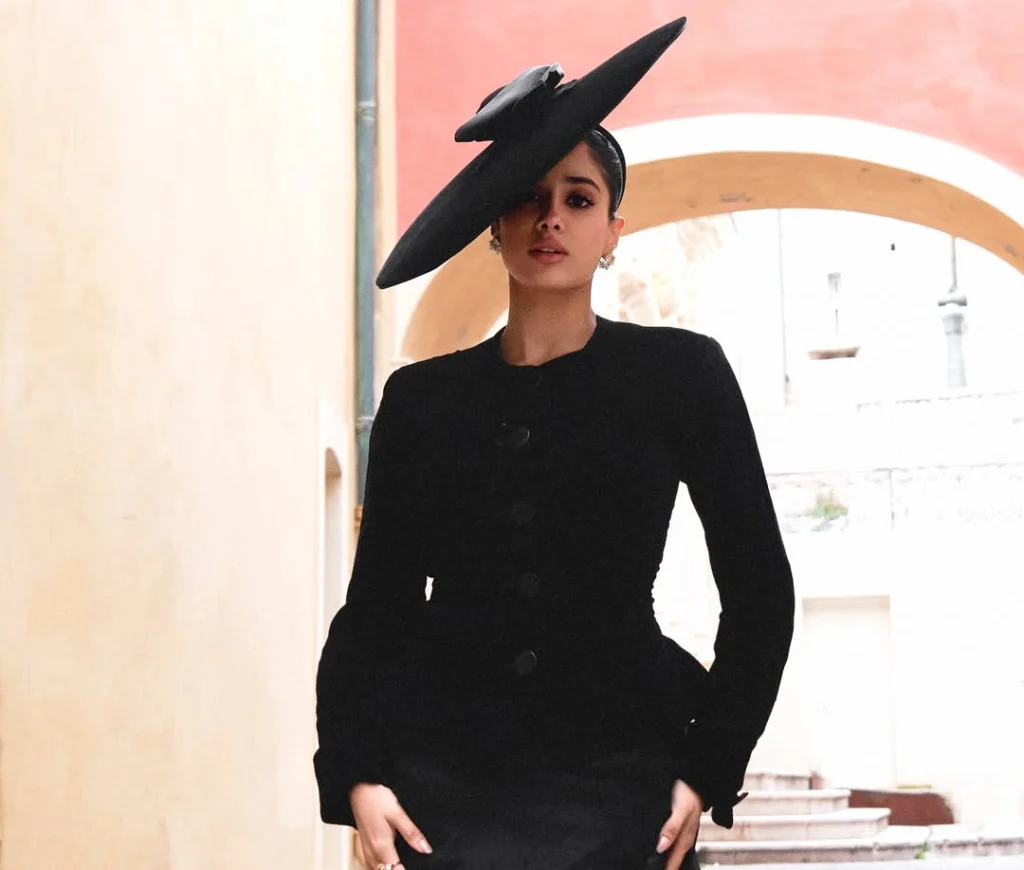
Janhvi Kapoor Rising Beyond Legacy, Redefining Stardom for the Global Stage By Paul Smith The Evolution of Indian Cinema and Its New Heroines The Indian film industry, long considered one of the largest in the world, is undergoing a profound transformation. Bollywood, once known for its formulaic blockbusters and vibrant song-and-dance spectacles, is facing a challenging phase. Box office numbers are no longer guaranteed by star power alone. Audiences have become more discerning, demanding content that resonates emotionally and culturally. With the rapid rise of regional cinema, international streaming platforms, and social media-driven fame, the traditional Bollywood template is losing its grip. Amidst this shift, the space for new female talent has opened up. However, carving a place in this evolving landscape is no easy task. In this changing tide, a few young actresses are finding their voice and redefining what it means to be a star. Among them, Janhvi Kapoor stands tall. She is part of a new generation of Indian women in cinema who are unafraid to be vulnerable, take risks, and pursue substance over style. Despite the industry’s ongoing turbulence and changing audience loyalties, Janhvi has managed to maintain a steady rise. Her journey is not just about fame, but about thoughtful choices, genuine passion, and emotional truth. Born Into Stardom, Choosing Her Own Path Janhvi Kapoor’s entry into the film industry was met with widespread attention. As the daughter of the late Sridevi, one of Indian cinema’s most beloved actresses, and film producer Boney Kapoor, she was always in the spotlight. Her debut in Dhadak (2018), a remake of the critically acclaimed Marathi film Sairat, sparked mixed reactions. While her natural screen presence was evident, critics questioned whether she could live up to her mother’s legacy. What followed after Dhadak defined Janhvi not as a star daughter, but as an actress with her own voice. Instead of pursuing flashy commercial films, she made bold choices. In Gunjan Saxena: The Kargil Girl, she portrayed the first Indian Air Force woman pilot to fly in a combat zone. The role demanded emotional depth, physical preparation, and restraint. Janhvi delivered a performance that surprised critics and audiences alike, showing a maturity and sensitivity beyond her years. Vulnerability as Strength Unlike many public figures who strive to appear perfect at all times, Janhvi embraces her vulnerability. She has openly shared the emotional impact of losing her mother at a young age, her insecurities, and the pressure of living up to expectations. Her interviews often reflect honesty rather than rehearsed charisma. In doing so, she connects with her generation, which values realness over image. This emotional honesty translates on screen. In her performance in Ghost Stories, a Netflix anthology series, Janhvi played a young nurse with a haunting past. The subtlety of her expressions and the way she captured fear and sorrow showed her growth as a performer. She has since become an actress who is not afraid to take on complex and emotionally intense characters. Beauty with Brains, Culture with Charisma Janhvi Kapoor is often featured on magazine covers and brand campaigns, but she is far more than a fashion icon. Her appeal lies in the effortless way she blends Indian elegance with global style. Whether walking the red carpet in a couture gown or appearing at a temple in a simple salwar suit, she remains relatable and authentic. She studied acting at the Lee Strasberg Theatre & Film Institute in Los Angeles, gaining exposure to international techniques and perspectives. This training adds depth to her craft and gives her a broader cinematic understanding. It also positions her well for global opportunities in the future. Janhvi’s charm lies in the fact that she does not try to imitate anyone else. She has never tried to mimic her mother’s legacy or compete with contemporaries. She is unapologetically herself, a mix of ambition, gentleness, curiosity, and courage. Can She Become a Global Star? With the current wave of Indian actors crossing over into international cinema, there is much speculation about who could be the next global breakout star. Janhvi Kapoor possesses all the ingredients. She has screen presence, acting talent, international exposure, and cultural richness. More importantly, she has an evolving sense of self and a willingness to take creative risks. The global entertainment landscape is shifting toward inclusivity and representation.  Audiences around the world are looking for new faces and diverse stories. As Indian cinema gains attention beyond South Asia, actresses like Janhvi, who are deeply rooted in their culture yet open to the world, are uniquely positioned to make an impact. Her roles in films like Mili, which deal with survival and psychological resilience, reflect universal human emotions. These are the kinds of stories that resonate across borders. If she continues to choose meaningful roles and work with storytellers who value depth, Janhvi has the potential to become an international artist. A Voice for Her Generation Janhvi Kapoor represents more than just a new face in Indian cinema. She symbolizes the aspirations of a generation of young Indian women. She embraces modernity while respecting tradition. She is confident, but not arrogant. She is fashionable, but also introspective. Through her interviews, poetry, and even her quiet moments on social media, she shows that young women can be many things at once—ambitious, emotional, intelligent, stylish, and strong. In a world that often demands perfection from women, Janhvi offers a refreshing counter-narrative. She is not interested in being flawless. She is interested in being real. This authenticity not only makes her a better actress but also a more relatable public figure. Standing Tall Amidst Industry Challenges As Bollywood struggles with declining ticket sales, formula fatigue, and the rise of regional and digital competition, it is actors like Janhvi who offer hope. She reflects a new wave of talent that prioritizes storytelling, emotional truth, and artistic growth. She does not rely on star power or social media gimmicks to stay relevant. She is building her career one meaningful performance at a time. Her journey is

Homegrown Luxury
Lifestyle

Rise of Homegrown Luxury Arab Women Building Tomorrow’s Fashion & Beauty Empires

Rise of Homegrown Luxury Arab Women Building Tomorrow’s Fashion & Beauty Empires By Marina Ezzat Alfred Arab women entrepreneurs have totally revolutionized fashion and beauty lately.  It’s been an amazing shift. They’re not just building hugely successful businesses; they’re actually changing what luxury and beauty mean, both in the Arab world and globally.This piece looks at some of the key players in this exciting movement, showcasing their impact and the deeper cultural meaning behind their work. Influential Arab Women  Huda Kattan Huda Kattan’s a major player in the beauty world right now. She’s the brains behind Huda Beauty, a billion-dollar cosmetics company that started as just a beauty blog. The brand’s known for its amazing foundations, lipsticks—and those lashes! They’re seriously popular everywhere. It’s a fantastic example of how social media can turn a personal passion into a massive global business. Marriam Mossalli Marriam Mossalli, a Saudi fashion editor and entrepreneur, has significantly impacted the Middle East’s luxury fashion world. She founded Niche Arabia, a top-tier luxury communications consultancy that’s been instrumental in boosting Saudi Arabia’s global fashion profile.  Mossalli’s also recognized for championing traditional crafts and, through fashion, highlighting the unique style of Saudi women.  Amina K Amina K, a fashion designer, is known for her fresh take on classic Arab clothing. She cleverly mixes modern trends with traditional details, making her a go-to designer for stylish women throughout the area.  More than just beautiful clothes, Amina’s work showcases the beauty of Arab culture while giving women a powerful way to express themselves. Dalia Dogmoch Soubra Dalia Dogmoch Soubra, a Syrian-German food consultant and Harper’s Bazaar Arabia food editor, is renowned for her culinary skills and knack for incorporating cultural stories into her writing. Though best known for her food work, Dalia’s impact reaches into lifestyle and beauty, showcasing the vibrant tapestry of Middle Eastern culture through her recipes and personal style. Noor Tagouri Noor Tagouri, a Libyan-American journalist and activist, has really made a splash in both media and fashion. She’s passionate about representation and diversity, using her influence to fight stereotypes and push for inclusivity. Her work often blends with the world of fashion; she’s a strong advocate for modest fashion, and empowers women to own their unique identities. Hanan Al Najada Hanan Al Najada’s a real rising star in fashion, creating innovative designs that cleverly mix traditional Arab style with today’s trends. Her brand’s become known for its fresh take on modest fashion, attracting a wide range of people who appreciate both great style and cultural significance. Al Najada’s designs perfectly show how a new generation of Arab designers are really making a name for themselves internationally. Heritage Inspiration These women’s achievements are completely bound up with the Arab world’s rich cultural heritage. Lots of them find inspiration in traditional art, fabrics, and skilled craftsmanship, weaving those elements into their work – pieces that resonate both locally and internationally.  This cultural touch doesn’t just add richness to their designs; it also builds pride in consumers who crave authenticity in high-end goods. And as these entrepreneurs continue to flourish, they’re rewriting the story of Arab women in business, shattering stereotypes, and pushing for a more inclusive view of beauty and luxury. They’re paving the road for future generations of women to explore their creativity and business savvy. The surge of Arab women leading homegrown luxury brands is a powerful force, mirroring the shifting landscape of the fashion and beauty industries. Women like Huda Kattan, Marriam Mossalli, and Amina K aren’t just building huge businesses; they’re redefining what it means to be a woman in the Arab world today. Their continued innovation and inspiration are setting the scene for a new era of luxury – one that celebrates cultural heritage, diversity, and female empowerment.

The Rise of Magazine Publishing Post-Pandemic
Lifestyle

The Rise of Magazine Publishing Post-Pandemic

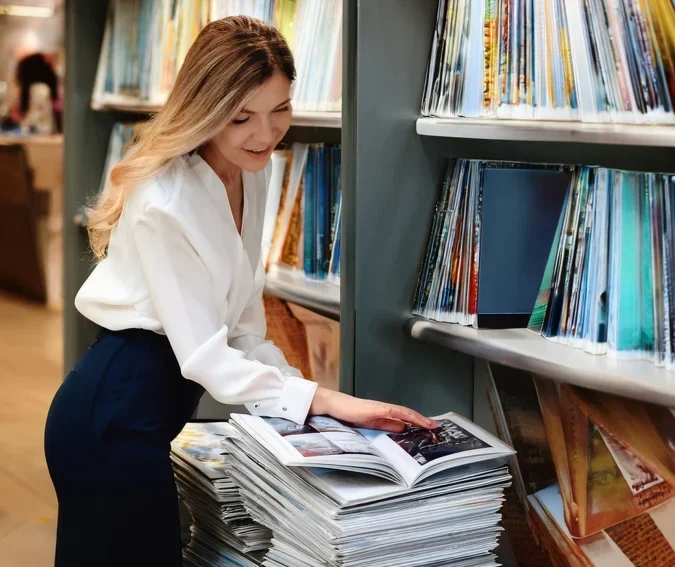
The Rise of Magazine Publishing Post-Pandemic By Jane Stevens A Middle Eastern Perspective When the pandemic hit in 2020, the media landscape was shaken to its core. Physical distribution halted, advertising revenues plummeted, and the race toward digital acceleration became more than a trend, it was a survival tactic. Yet, amid the chaos, the magazine publishing industry, particularly in the Middle East, found a way not only to survive but to reinvent itself. The Middle Eastern Revival In cities like Dubai, Riyadh, Doha, and Cairo, the appetite for curated, visually engaging, and culturally relevant content has surged since the pandemic. With people spending more time at home and online, a new wave of readers rediscovered the value of well-crafted journalism. This revival wasn’t just in digital form, print magazines also saw a renewed interest, especially luxury lifestyle, fashion, art, and business publications that offer exclusivity and prestige. Magazines in the Middle East adapted swiftly. They embraced hybrid formats, interactive digital editions, AR covers, and exclusive app-based content. New titles emerged, many led by Arab women entrepreneurs and creatives, covering regional success stories, cultural pride, and global luxury with an authentic local voice. Titles like Magnav, Hia, Sayidaty, and Emirates Woman continue to thrive, setting new standards for storytelling and visual excellence. The Saturation Dilemma Yet, the rise hasn’t come without complications. The post-pandemic boom in digital media gave birth to hundreds of online “magazines,” often lacking editorial oversight, journalistic integrity, or credible sources. These saturated the digital space with repetitive content, clickbait headlines, and influencer-driven promotion, creating noise that can mislead readers and dilute the industry’s credibility. So, how can readers distinguish real journalism from digital clutter? Spotting the Difference: Mainstream vs. Mediocre Here’s what sets mainstream, reputable magazines apart: Bylines by Professionals: Quality magazines credit experienced journalists, editors, and contributors. You’ll find bios, portfolios, and often a history of credible work behind each article. Fact-Checked Content: Authentic magazines invest time in research, interviews, and verifying facts. The writing feels informed, not rushed. Editorial Structure: Reputable publications have clear editorial guidelines, content sections, consistent tone, and design identity. Advertising Standards: You won’t find misleading ads or overly promotional content disguised as articles. Sponsored content is transparently labeled. Print Legacy and Institutional Credibility: Many quality magazines have a track record in print before expanding to digital. That heritage matters, it often means seasoned leadership and higher standards. The Role of the Reader With power comes responsibility. Today’s readers must become more discerning, seeking out content not just for entertainment or trends, but for insight, knowledge, and perspective. Subscribing to quality publications, supporting independent journalism, and avoiding sites that trade integrity for traffic are all part of that equation. Will the Magazine Industry Grow or Fade? The answer lies in how publishers continue to evolve. If the industry sticks to quality over quantity, adapts to tech while honoring editorial ethics, and gives voice to underrepresented communities and real issues, it will grow. In the Middle East especially, where youth, creativity, and cultural identity intersect with luxury and innovation, the future of magazines is promising. Mainstream media must now be both a storyteller and a curator, a source of trust in a sea of opinion. For magazines, this is not the beginning of the end, it’s the end of the mediocre and the beginning of a golden age for the meaningful. A Refined Future Post-pandemic, magazine publishing in the Middle East is witnessing a renaissance rooted in cultural authenticity, digital innovation, and the hunger for reliable voices. Amid the flood of content, real journalism still stands tall polished, principled, and powerful. As long as readers continue to seek substance, the magazine will not just survive, it will thrive.

Scroll to Top